
Heretaunga College
Wellington
Heretaunga College Curriculum
161 subjects available for 2026/2027.
Subjects for Year 8 Students
English Foundations Year 9
ENGF9Would you rather run away than read? Does writing anything longer than a list make your stomach clench? Then this course is for you. If you have found reading and writing challenging in the past, it is OK. The goal of the English Foundation at Year 9 is to provide a supportive and engaging environment to build your confidence with reading, vocabulary, and writing skills. This course is made to develop your practical strategies to make reading and writing easier and more enjoyable.
English Year 9
ENG9Why do we tell stories?
Our understanding of who we are is created through the stories we tell. English is the study of these stories, and the words we use to tell them. In Year 9 English we explore a range of text types including; a novel, poetry, short stories, film or drama, and non-fiction, while improving our ability to record our stories through our writing practise.
In this course students will have the opportunity for the study of both literature texts and language. Reading is a particular focus in Year 9 with regular visits to the library. Reading of independently chosen books has been proven to broaden a student’s understanding of the world around them and to form a solid basis for academic success. Students’ reflection on their reading goals and wider learning in English is ongoing.
Steps for Success (A1)
STEP101AThis course is for students who would benefit from developing their core learning skills to succeed academically, socially, and emotionally. Through this individualised project-based learning course, students will experience a supportive and engaging learning environment that is responsive to their needs.
Steps for Success (B1)
STEP101BThis course is for students who would benefit from developing their core learning skills to succeed academically, socially, and emotionally. Through this individualised project-based learning course, students will experience a supportive and engaging learning environment that is responsive to their needs.
Year 9 Art
ART9YEAR 9 ART
This is a semester-long course.
THE BIG QUESTION
How can we communicate different ideas through a range of media, techniques, and styles in art?
COURSE OVERVIEW
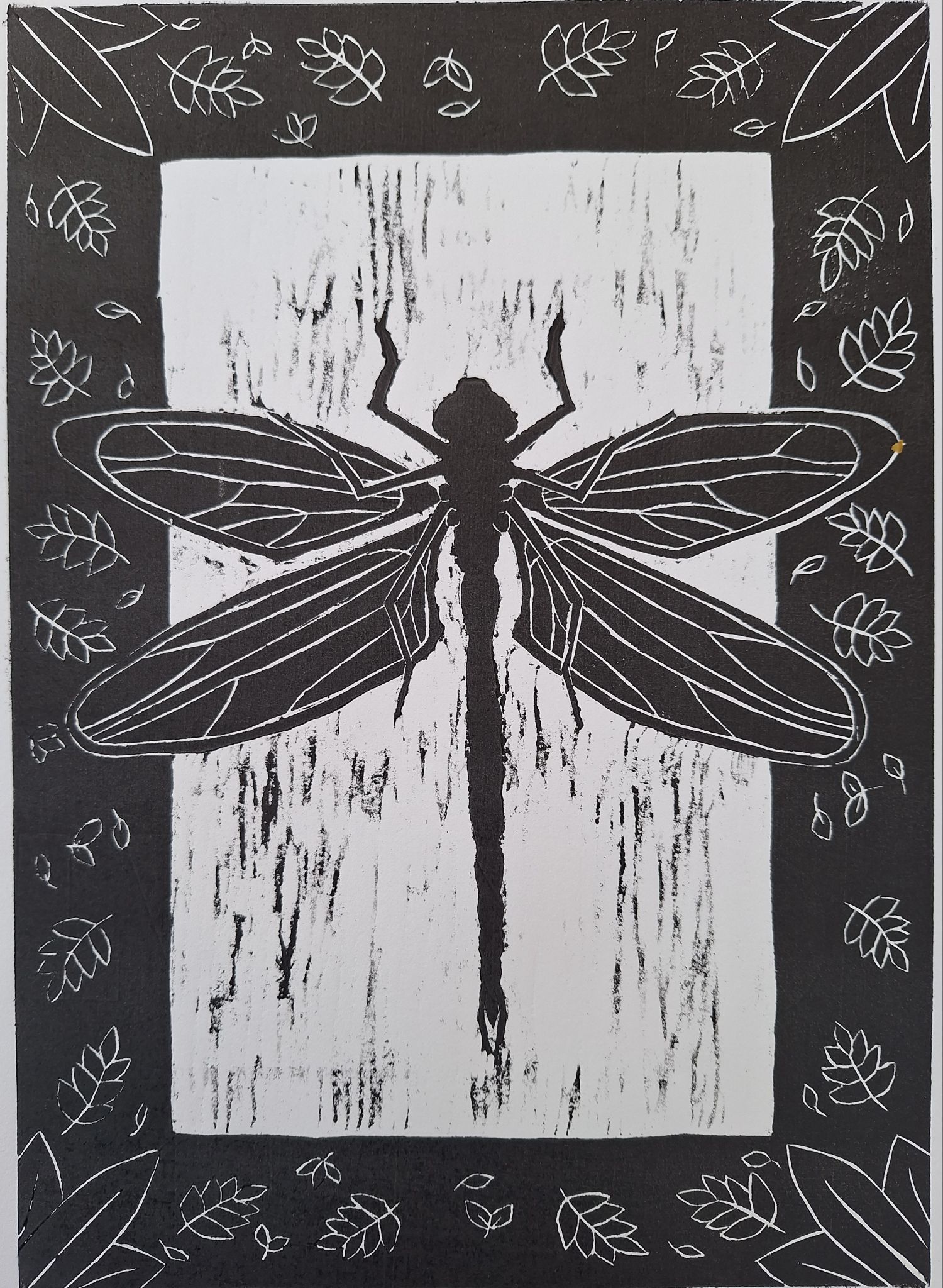
In Year 9 Art, students explore how artists communicate ideas, stories, emotions, and identities through visual art. Students experiment with a range of media, techniques, and art styles while developing skills in observation, design, creative thinking, and problem-solving.
Students respond to artworks from different times, places, and cultures, including Toi Māori, and use these influences to inspire and develop their own creative ideas and artworks.
Throughout the course, students learn how the elements of art can be used to communicate meaning and explore a variety of creative processes and media, including sculpture, printmaking, painting, and drawing. Students are encouraged to experiment, try new approaches, and develop confidence in expressing their own ideas through art.


Year 9 Design
9DESGNBIG QUESTION: Small changes transform our lives - is bigger always better?
This is a Design course that is focused on the popular trend of designing a tiny house. The challenge is to incorporate space saving ideas that are multi-purpose. This will involve hand drawing and computer generated designs. Learning architectural design skills leads to pursuing a career in the architecture field or simply wanting to develop creative and problem-solving skills.
Year 9 Digital Technologies
9DIGIBIG QUESTION: How can digital technologies help us solve problems?
Year 9 Digital Technologies introduces students to computational thinking and digital outcomes through creative, real-world learning. Students will research, design, create, and evaluate digital solutions while developing problem-solving, collaboration, and digital citizenship skills. Learning may be explored through contexts such as 3D printing, game design, web development using HTML and CSS, or other emerging technologies. Students will create digital solutions that respond to authentic needs and opportunities.
Year 9 Drama
DRA9The Big Question: How can drama prepare us to face life’s challenges?
Are you ready to express yourself, build confidence, and have fun while learning? In Year 9 Drama at Heretaunga College, you’ll explore the exciting world of performance through collaborative and practical exercises. You’ll learn how to use your voice, body, and imagination to bring characters to life, work in teams to create short scenes and plays, and grow your confidence on stage and off. No experience needed – just a willingness to give it a go and have some fun. Come and discover what you’re capable of!
Year 9 Food Technology
TECFD9This is a semester-long course.
Students will develop the knowledge and practices required to meet the Materials and Processing strand of the Technology Curriculum within Food Technology and Biotechnology contexts.
In Year 9 the modules are "Fakeaways" - designing healthier, cheaper options than convenience foods and Ginger Beer, our Biotechnology focus. If students choose to take Food Technology as an option then they must ensure that their other option is either Soft or Hard Materials.
Students will participate in practical work once a week. There is an essential homework requirement in order to achieve the expected level of achievement.
Learning Areas:
Technological Practice
Technological Knowledge
Nature of Technology


Year 9 German
GER9Willkommen! This course is an introduction to the German language and culture. You will discover the fun of communicating in another language, and explore how German culture compares with your own. You will also learn different ways to help improve memory.
By the end of this course you will be able to use both spoken and written German to introduce and describe yourself and people who are close to you.

Year 9 Health and Physical Education
PEHPE9Big Question: What can Health and PE teach me about being confident and resilient?
Half of each term (5 weeks) will have a Physical Education focus: Enhancing well-being and attitude towards being active. Also, improving interpersonal, communication and cooperative skills, developing leadership and growth opportunities through physical activity.
Half of each term (5 weeks) will have a Health focus: Developing positive values, knowledge and competency to become confident, connected and resilient people.
Year 9 Japanese
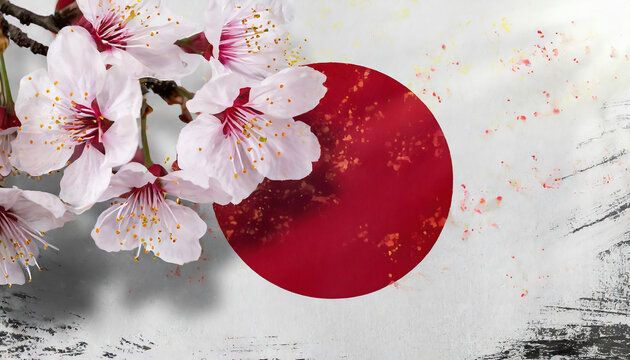
JAP9こんにちは!This course is an introduction to Japanese language and culture. You will discover the fun of communicating in another language, and explore how Japanese culture compares with your own.
By the end of this course you will be able to use both spoken and written Japanese to introduce and describe yourself and people who are close to you.
Year 9 Mathematics
MAT9This course is designed to build a strong foundation in mathematical skills and concepts, preparing students for future success in both academic and real-world applications. Students will explore various topics across all key strands: Number and Algebra, Geometry and Measurement, and Statistics. Throughout the year, students will engage in various activities, projects, and assessments designed to challenge and inspire them.
By integrating various themes, technology and local real-world applications, we aim to make mathematics both relevant and exciting.
Year 9 Metalwork
TECMW9You will learn about different types of metals, their properties and usage and compare them against other materials. The course will also encompass safety, hand tools, portable machines and a few metal processes. The students will also engage in hands on practical's and complete some take home projects.
Note: You must do Year 9 Food Technology (TECFD9) with this course.


Year 9 Music
MUS9Curious about the world of music but not sure where to start? Already a budding musician but want to move to the next level? Welcome to Year 9 Music – your crash course in all things musical!
Here's the lowdown:
- We'll get you comfortable on stage with some basic performance skills.
- Ever wanted to create your own tunes? We'll show you the ropes of composition.
- And don't worry, we'll cover the theory stuff too, but we promise to keep it interesting.
Oh, and did we mention the perks? You'll have access to free lessons to pick up an instrument or polish those vocal cords.
So, let's turn up the volume and explore the wonderful world of music together in Year 9 Music!
Year 9 Science
SCI9Welcome to Junior Science! In this course, you'll see how science helps us understand our world. Learn about living things including plants and microorganisms and simple genetics, how energy moves as waves and heat, the elements that make up everything around us, and the planet and solar system around us. With hands-on lessons and real-life examples, you'll see how science is part of our everyday lives. Get ready to be curious and have fun with science!
Build your understanding of the science capabilities, gathering and interpreting data, using evidence, critiquing evidence, interpreting representations of science and engaging with science. Deepen your knowledge of how scientists use investigations to better understand the world around them. These skills will be developed across the science disciplines to meet the interests of the students and their world.
Year 9 Sign Language
SGN9This is a semester long course.
This course is designed as an introduction to New Zealand Sign Language (NZSL) and Deaf culture. You will discover the fun of communicating in another language, and secret ways in which you can “talk in class”, and communicate with others around school. You will learn how NZSL is organised as a visual language, why visual languages have different structures and how NZSL is used in daily life.
By the end of the course you will be able to use NZSL to communicate about yourself, know a range of strategies for communicating with Deaf people and understand some of the ways Deaf people navigate life in New Zealand.
Year 9 Social Studies
SOC9Social Studies is about understanding the world around us and our place within it.
We look at people, places, cultures, history, politics, money and the environment and try to work out how they all connect. It is about asking questions like: Why are things the way they are? Who gets to make decisions? Why do people see the same issue differently? What causes societies to change? And what can we do when we think something could be better?
In Year 9, we start close to home. We will learn more about ourselves, our whakapapa, our local area and the stories that have shaped Upper Hutt / Orongomai and Aotearoa New Zealand. From there, we start looking at some of the bigger ideas that shape society, including migration, power, government, war, protest, the environment, business and money.
A big part of Social Studies is also learning how to think, not just remembering information. You will learn how to use evidence, read maps and graphs, understand different points of view and explain why things happen and why they matter.
The aim is to help you understand the world you are growing up in and give you the skills to make up your own mind about it.
What will you get out of the course?
You will learn how to:
- ask good questions about people, places and issues
- understand different cultures, identities and perspectives
- use maps, graphs, photographs and other sources as evidence
- work out why things happen and what changes because of them
- understand how power and decision-making work
- think about whether decisions are fair and who they affect
- make judgements and back up what you think with evidence
- understand how people can have a say and make change
- build useful skills in research, writing, numeracy and communication
Throughout the year we will use topics from History, Geography, Politics, Economics and other Social Sciences to practise these skills.
Year 9 Te Ao Māori
TAM9Discover the pūrākau (stories), traditions, language, and culture that make Aotearoa te tino kotahi! In this fun course, you'll learn te reo
Māori, learn karakia, haka, and waiata, explore Māori legends, experience marae tikanga, create Māori art, play sport made by Māori
and take part in hands-on activities. Whether you're new to Te Ao Māori or want to build on what you already know, this course is a
great way to grow your confidence, make new connections, and experience Māori culture in an engaging and exciting way. “Ko te reo
māori te kākahu o te whakaaro, te huarahi ki te ao tūroa”
Year 9 Te Reo Māori (He Kākano)
REO9“Ko te reo Māori, te kākahu o te whakaaro, te huarahi ki te ao tūroa.”
Te Reo Māori is the cloak of knowledge, the pathway to the wider world.
This course is designed as an introduction to te reo Māori and culture. You will discover the fun of communicating in another language, and learn how reo Māori is organised and used in daily life.
By the end of the course you will be able to use te reo to communicate about yourself and others, know a range of strategies for learning another language, and know a waiata or three that you hopefully didn’t know before.
Year 9 Textiles
TECFTT9This is a semester long course.
This course is perfect for students keen to get hands-on with sewing and design.
Students will gain confidence using a sewing machine, learning how to operate it safely and effectively. They'll explore the machine's key parts and develop essential foundational sewing skills through practical, guided activities.
To build their confidence and technical know-how, students will first create a series of skill-building samples. From there, they’ll move on to designing and constructing their own Tote bag, and once those techniques are mastered, they'll take on the challenge of designing and sewing a patchwork cushion.
Note: You must do Year 9 Food Technology (TECFD9) with this course.


Year 9 Woodwork
TECWW9This is a semester long course.
This course covers the basics in woodworking. You will be given the opportunity to work with different materials and develop skills using both hand tools and machinery. The design process will be used to work through problem solving and the production of solutions.
Note: You must do Year 9 Food Technology (TECFD9) with this course.


Subjects for Year 9 Students
English Essentials Year 10
ENGE10Would you rather run away than read? Does writing anything longer than a list make your stomach clench? Then this course is for you.
If you have found reading and writing challenging in the past, it is OK. The goal of the English Essentials class is to provide a supportive and engaging environment to build your confidence with reading, vocabulary, and writing skills. This course is made to develop your practical strategies to make reading and writing easier and more enjoyable.
This course will give you confidence for sitting the CAA Literacy exams and make the reading and writing demands of your other courses easier.
English Year 10
ENG10How do texts reflect the things we care about?
Unlike other subjects that introduce new concepts, in English you build your skills bit by bit. This means at Year 10 the texts will be a bit more complex and your analysis of them is expanded to consider new ideas and techniques. When you write about them your basic skills are pushed a little further to capture the increasingly complex ideas.
At Year 10 we will look at the context, the values and attitudes, the reception and the perspective of the texts, with a particular focus on reading, writing, speaking and viewing. You will write an essay and creatively, present a speech, and analyse a range of texts, including a film and short texts.
With your growing awareness of social justice the texts we look at will often ask how humans learn the difference between right and wrong, whether society changes the way we think and act, and why some people do bad things? We will ask these questions of the characters in books, films, and short texts.
Steps for Success (A1)
STEP101AThis course is for students who would benefit from developing their core learning skills to succeed academically, socially, and emotionally. Through this individualised project-based learning course, students will experience a supportive and engaging learning environment that is responsive to their needs.
Steps for Success (B1)
STEP101BThis course is for students who would benefit from developing their core learning skills to succeed academically, socially, and emotionally. Through this individualised project-based learning course, students will experience a supportive and engaging learning environment that is responsive to their needs.
Year 10 Art
ART10YEAR 10 ART
THE BIG QUESTION
How can we use visual conventions, artist models, and personal ideas to communicate meaning in sophisticated and creative ways?
COURSE OVERVIEW
In Year 10 Visual Arts, students extend their technical skills, creative thinking, and understanding of how artists communicate ideas. Students work with increasing independence and intention, exploring how style, symbolism, composition, and visual conventions can be used to express meaning and viewpoints.
Throughout the year, students investigate a range of artist models, including artists from Aotearoa New Zealand and contemporary international practice, and use these influences to inform and develop their own ideas and artworks.
Students explore both 2D and 3D art-making techniques across areas such as drawing, painting, design, and imaginative composition. Drawing is an important foundation for developing ideas and strengthening technical skills, helping students create more individual, resolved, and expressive artworks.
Students are encouraged to experiment, take creative risks, explore their own interests and cultural contexts, and find inspiration in the world around them. Through practical making and creative problem-solving, students build confidence, develop their personal artistic voice, and learn to make purposeful decisions that elevate the quality and meaning of their work.



Year 10 Auaha Māori
AMA10Love being creative, and want to step outside your comfort zone? This course brings Māori stories to life through drama, kapa haka, dance, music, and performance. You'll build confidence on stage, develop acting and performance skills, create your own performances, and explore how Māori culture inspires theatre and the performing arts today. Whether you enjoy performing or working behind the scenes, this course is a fun, energetic, and creative way to express yourself while making great memories with your hoa akoranga.
Year 10 Design
10DESGNBIG QUESTION: How can I develop and refine design solutions for authentic needs and opportunities?
Year 10 Design builds on the design process introduced in Year 9, challenging students to develop innovative solutions to more complex, authentic problems. Students will research, design, create, and evaluate solutions while strengthening their problem-solving, collaboration, and communication skills. Learning may be explored through contexts such as product design, architecture, sustainable design, model making, or design for everyday life. Students will refine their ideas through iterative design and produce outcomes that meet identified needs and opportunities.
Year 10 Digital Technologies
10DIGIBIG QUESTION: How can we use digital technologies to create better solutions for real-world needs?
Year 10 Digital Technologies builds on the computational thinking and digital outcomes introduced in Year 9, challenging students to develop solutions to more complex, real-world problems. Students will research, design, create, and evaluate digital solutions while strengthening their problem-solving, collaboration, and digital citizenship skills. Learning may be explored through contexts such as 3D printing, game design, web development using HTML and CSS, or other emerging technologies. Students will refine their ideas through an iterative design process and create digital solutions that respond to authentic needs and opportunities.
Year 10 Drama
DRA10The Big Question: What impact can drama techniques, elements, conventions and technologies have on a viewing audience?
Do you enjoy being creative, working with others, and bringing stories to life? In Year 10 Drama at Heretaunga College, you’ll develop key acting techniques and learn how to perform with confidence and expression. But that’s just the beginning! In this course you will learn how to devise your own plays, interpret scripts, and explore the magic behind the scenes with theatre technologies like lighting, costume, make-up, and prop design. Whether you love being on stage or behind the scenes, Drama is a fun and hands-on subject where your imagination takes centre stage. No experience needed—just bring your curiosity and give it a go!
Year 10 Food Technology
TECFD10This course is Term long.
Students will develop the knowledge and practices required to meet the Materials and Processing strand of the Technology Curriculum within Food Technology and Biotechnology contexts.
In Year 10 the modules are "Cultural Food Trucks" which looks at street food from around the world. Our Biotechnology focus is Rewena Bread. If students choose to take Food Technology as an option, they must ensure that they choose either soft or hard materials as their other option.
Students will participate in practical work once a week. There is an essential homework requirement in order to achieve the expected level of achievement.
Learning Areas:
Technological Practice
Technological Knowledge
Nature of Technology


Year 10 German
GER10This course is designed to build on the Year 9 German course.
You will explore the language further and discover more about the culture through a range of activities. By the end of the course you will be able to talk and write in German about a wider range of topics, and to express your opinions. You will also develop your interactive skills. You will become more confident using different strategies for language learning, and understand some ways life in Germany is different from your own in Aotearoa, New Zealand. There will be an opportunity to connect with language learners from another school.
Year 10 Health and Physical Education
PEHPE1Big Question: What can physical activity teach me about myself and what is influencing my decisions as a teenager?
Half of each term (5 weeks) will have a Physical Education focus: Enhancing well-being and attitude towards being active. Improving interpersonal, communication and cooperative skills. Leadership and growth opportunities through physical activity.
Half of each term (5 weeks) will have a Health focus: Developing positive values, knowledge and competency to become confident, connected and resilient people.
Year 10 Japanese
JAP10This course is a full year long and occupies 2 option slots. If you choose this course please ensure to reduce your total course selection by one to accommodate it.
おかえり!Welcome back to another year of Japanese learning! In Year 10 Japanese we build on our learning from Year 9 to broaden our skills and learn to communicate with Japanese people and other Japanese language students about everyday topics, like the weather, hobbies, and daily life. We continue to use hiragana after learning it in Year 9 and start to learn Katakana so we can read and write even more.
If you like a challenge and enjoy representing the school, you also have the opportunity to compete in competitions like the Japanese Junior Trivia Championship and the Wellington Speech Competition.
Year 10 Metalwork
TECMW10This course is Term long
In this course you will be learning how to manipulate various types of metal using different hand tools and machines. You will have the opportunity to work in machining, sheet metal, and welding
Note: You must do Year 10 Food Technology (TECFD10) with this course.


Year 10 Music
MUS10Welcome to Year 10 Music, the ultimate hangout for music lovers like you. If you're all about music and eager to dive deeper, then this course is your jam. Here's what's in store:
- Get creative and write your own tunes (yep, that's composing)!
- Master an instrument and boost your stage swagger.
- Explore the ins and outs of music, why and how pieces/songs have been created.
This course is a total win if you're eyeing up Music at NCEA Level One.
And here's the cherry on top – you'll score free lessons to learn an instrument or train your voice. So, what are you waiting for? Let's rock and roll!
Year 10 Science
SCI10Continue your journey in Science with this exciting course perfect for Year 10s who want to explore all areas of science. Extend your learning about Chemistry, Biology, Physics, and Earth and Space Science through fun experiments and activities
Build your understanding of the science capabilities, gathering and interpreting data, using evidence, critiquing evidence, interpreting representations of science and engaging with science. Deepen your knowledge of how scientists use investigations to better understand the world around them. These skills will be developed across the science disciplines to meet the interests of the students and their world.
Year 10 Sign Language
SGN10This course is a full year long and occupies 2 option slots.
This course builds on learning from Year 9 Sign Language in a fun, practical and interactive way. There are three main units of work: Deaf Deaf World, Come Dine with me, and a zoo trip.
You will learn about Deaf people in other countries and their rights, and challenges and obstacles that Deaf people face. You will learn about resilience, but also look at adaptations or solutions we could make to our world to make life easier for diverse groups. You will gain confidence in signing in a range of settings/scenarios, and in interactive situations.
Year 10 Social Studies
SOC10Social Studies is about understanding people, society and the big issues that shape the world around us.
It brings together ideas from History, Geography, Politics, Economics, Religion and other Social Sciences to help us make sense of how societies work and why people see the world so differently.
We ask questions like: Who has power and why? What makes something fair or unfair? Why do countries go to war? Why do people protest? How do culture and belief shape the way people think? Why are some places wealthier or safer than others? How do social media, propaganda and advertising influence us? What challenges will your generation have to deal with in the future?
In Year 10, we take the skills developed in Year 9 and start applying them to bigger and more complex issues. We look beyond Aotearoa New Zealand into the Asia-Pacific and the wider world and explore ideas connected to war, empire, human rights, ideology, culture, the environment, inequality, globalisation, money and the future.
The point is not to tell you what to think. It is to help you get better at how to think.
You will learn to question information, recognise bias, understand different perspectives, use evidence and data and make a judgement you can actually support. These are also the skills you will need when you move into senior Social Sciences.
What will you get out of the course?
You will learn how to:
- investigate real issues and ask deeper questions
- understand why people and groups have different perspectives
- recognise how values, beliefs and power influence decisions
- use historical sources, maps, graphs and data as evidence
- spot bias, propaganda and missing voices
- explain causes, consequences and change over time
- understand how people respond to injustice and create social change
- compare different possible responses to problems
- make supported judgements rather than just giving an opinion
- build your research, reading, writing and numeracy skills
- think more carefully about the information you see online and in the media
The topics we study give us a way to practise these skills while learning more about the world we live in. Our Year 10 programme includes everything from empire, war and human rights to culture, disease, globalisation, inequality, finance and future challenges.
Year 10 Te Reo Māori (He Tipu)
MAO10“Ko te reo Māori, te kākahu o te whakaaro, te huarahi ki te ao tūroa.”
Te Reo Māori is the cloak of knowledge, the pathway to the wider world.
In this course we look at expanding the skills that you have learnt from the He Kākano course (Year 9 Te Reo Māori). We build our ability to have simple conversations in Te Reo Māori using a range of topics. Kai, ngā mahi a te rēhia, and te rā o te ākonga (food/sports - hobbies/daily life).
Year 10 Textiles
TECFTT10This course is Term long
This hands-on course dives into the big question:
"How are materials and clothing made?"
Whether you're building on your Year 9 experience or starting fresh, you’ll begin by creating a practical project that supports you throughout your sewing journey at school.
From there, you’ll explore how fabric is made, how garments are constructed, and build confidence through skill-based samples. This course will challenge your creativity and develop your problem-solving skills in real, practical ways.
Your learning will lead to a major project: designing and sewing a personalised patchwork quilt that reflects your individual style. You'll bring it all together by making thoughtful design choices based on feedback from your stakeholder that make your final garment truly stand out.
Note: You must do Year 10 Food Technology (TECFD10) with this course.


Year 10 Woodwork
TECWW10This course is Term long.
In this course you will learn basic timber joints, lathe work and upcycling timber. Gain confidence in how to use hand tools and machines. You will learn about the characteristics of wood, different cuts and joints. Furthermore you will learn about sustainability and recycling. Learning about waste, the life cycle of materials, and resource efficiency.
Note: You must do Year 10 Food Technology (TECFD10) with this course.


Year10 Mathematics
MAT10This course is designed to strengthen students' skills and understanding across all key strands: Number and Algebra, Geometry and Measurement, and Statistics. It aims to deepen the students' ability to apply mathematical and statistical concepts to more complex and abstract problems, encouraging critical thinking and problem-solving skills.
Throughout the year, we will integrate various themes, projects, technology, and local real-world applications to make learning engaging and relevant. By connecting different strands and emphasising logical reasoning, we aim to prepare students for NCEA Level 1 mathematics rigour.
Subjects for Year 10 Students
ECE Services Academy
ECE123Are you:
- Interested in a career where you work with and support people?
- Considering aged care, youth work, Early Childhood Education (ECE), health or community services?
- Looking for practical learning that can help prepare you for further training or employment?
The Services Academy is designed for students interested in careers that involve caring for, supporting and working alongside others.
This is a future-focused course that will help you develop skills that are valuable across a range of people-focused industries. As part of the course, you will complete a work experience placement in an area connected to your interests, giving you the opportunity to gain real-world experience and explore what working in the industry is actually like.
Learning may include:
- First aid
- Communication and interpersonal skills
- Child development
- Hauora and wellbeing
- Working with children and young people
- Supporting people with different needs
- Workplace expectations and professional skills
- Career and pathway planning
- Relevant unit standards and short industry courses
- Work experience in a relevant industry
This course can support pathways into Early Childhood Education, aged care, youth work, health and wellbeing, community services and other people-focused careers, as well as further study and training in these areas.
Horticulture Level 1
HORT100Do you enjoy working outdoors, growing plants and learning through practical activities? Horticulture 100 is an NCEA Level 1 course built around hands-on growing, garden care and plant propagation.
You will develop practical skills in:
Outdoor seedbeds
Prepare soil, sow seeds by hand and care for emerging crops
Garden maintenance
Maintain productive garden areas and care for horticultural tools
Plant propagation
Identify containers, growing media, fertilisers, plants and tools
Growing in containers
Raise seedlings, keep growth records and grow healthy plants from seed
Most learning will take place outdoors in the school growing areas. Indoor classroom work will support plant knowledge, planning, safety, record keeping and assessment. Students will sow, maintain and grow plants while learning how horticultural practices support healthy crops and productive gardens. Students will also develop kaitiakitanga by caring for the whenua, soil, water, plants and shared growing resources.
This is a fully internally assessed course, so there is no external examination. Students complete four Unit Standards worth a total of 17 NCEA Level 1 credits.
The course can be taken as a stand-alone subject or linked with the Pathways Programme. It is a strong choice for students interested in horticulture, landscaping, primary industries, hospitality, sustainability or practical vocational learning. Collaborative growing also develops whanaungatanga, while sharing produce demonstrates manaakitanga towards the school, whānau and wider community.
Level 1 - Food and Nutrition
FNN101What learning experiences will I have in this course?
Combining both practical and academic work, this subject gives you the skills to make choices for healthy living. You will look at how your food and nutrition choices affect Hauora/Wellbeing. The aim of the course is to enable you to develop health-enhancing attitudes to food and nutrition, gain knowledge and confidence to safely prepare health promoting foods for yourself and others, all whilst supporting your own Hauora.

How will I be expected to participate?
This course has both practical and theoretical components. You will be expected to use your digital device during most lessons. You will be supported to develop and enhance skills such as self-management, time-management, teamwork, creativity, critical thinking and decision making.
Level 1 Active Pathways
APA101Big Question:
How can being active help you become healthier, more confident and capable?
Who is this course for?
APA101 is a practical-heavy course for students who enjoy being active and bring a positive attitude towards exercise and physical activity. You’ll develop fitness, confidence, teamwork and practical skills while exploring different ways to be active and support your hauora.
Entry requirement:
Students must have demonstrated in Year 10 PE that they can participate positively, bring appropriate PE gear consistently and engage willingly in practical activities.
Level 1 Business and Commerce
BUS101How can understanding business help you make smarter decisions about your future?
Ever wondered why some businesses succeed while others fail? Why products cost what they do? Or how companies decide what to sell and who to sell it to?
In Level 1 Business & Commerce, you'll explore the exciting world of business through a mix of practical activities and real-world case studies. You'll discover how small businesses make important operational and marketing decisions while dealing with challenges like competition, customer needs, and changes in the economy.
Throughout the course you'll investigate questions like:
- How do businesses make decisions?
- What affects the prices we pay?
- Who are the key people involved in a business?
- How does a business fit into New Zealand's economy?
Assessment includes a combination internal and external mahi.
This course is a good fit if you…
- are curious about how businesses work
- enjoy solving problems and thinking creatively
- want to understand money, marketing, and how businesses make decisions
- are considering future careers in business, marketing, finance, hospitality, retail, tourism, or management
- are interested in starting your own business one day
- want to build a strong foundation for Level 2 Business & Commerce
Level 1 Construction
CONST101In this course you will be exploring different tools, machines and materials that are used in the construction industries. You will use multiple tools, machinery and materials to construct two different projects.


Level 1 Design
DESGN101BIG QUESTION: How can designers create meaningful solutions that respond to the needs of people, place, and community?
In this course, students take on the role of a designer and use the Design Process to research, develop, and create innovative solutions. Students complete two major projects: an architectural design project for a whakaroa pavilion (relaxation and breakout space) and a product design project creating a tech organiser. Students will use evidence from these projects to complete an external assessment.
Students will explore how a design brief can guide the development of meaningful and purposeful solutions. Through architecture and product design contexts, students will develop creativity, resourcefulness, problem-solving, and self-management skills.
Level 1 Digital Technologies (Web)
DIGIW101BIG QUESTION: What website conventions and trends can I apply to my own design?
This course involves the students continuing their learning of HTML and CSS using Code Avengers. They will use this knowledge to design and create a website for a given brief and specs. They will learn about usability heuristics and how humans and computers interact, and learn how to apply these to their own designs.
Level 1 English
ENG120So much of the confusion in this world is due to miscommunication and disconnection. The subject of English is a gentle remedy to the hurts of the world. From researching, reading and caring about the lives of others, to writing in a range of ways to express ideas and opinions, the subject of English helps you to piece together an understanding of the world and communicate your place in it.
The Year 11 English course builds on foundational skills from Years 9 and 10, and prepares students for further study in English and other subjects. This course offers students the chance to do all English Level 1 NCEA assessments, of which two are internally assessed and two are external assessed via an end of year exam; 20 credits in total.
Level 1 English
ENG110From researching, reading and caring about the lives of others, to writing in a range of ways to express ideas and opinions, the subject of English helps you to piece together an understanding of the world and communicate your place in it.
This course is for students who find English difficult, and/or find exams hard, and would like more time in class to build their skills and work on assessments. This course ONLY offers two internal assessments; 10 AS credits in total.
This course will also focus on building the skills needed for the Reading and Writing CAA, and may offer some Level 1 credits via Unit Standards.
Level 1 English
ENG115So much of the confusion in this world is due to miscommunication and disconnection. The subject of English is a remedy for the damage this can do. From researching, reading and caring about the lives of others, to writing in a range of ways to express ideas and opinions, the subject of English helps students to piece together an understanding of the world and communicate their place in it.
Level 1 English is a compulsory subject for Year 11 students. This course builds on foundational skills from Years 9 and 10, and prepares students for further study in English and other subjects. This course offers two internal assessments and one external; 15 credits in total.
Level 1 Extension Science
SCIEXS100PURPOSE: You will enjoy this course if you have a particular interest in Science and want to go further than just Core Science. You can only choose this course if you have already picked Core Science. The main focus will be how scientists work and the topics will be based around health science.
COURSE OUTLINE: This course is an excellent choice for any student who wants extra science content and enjoys learning about the body and the health issues that we, our families and community have to cope with. You will be encouraged to use your understanding of Science and critical thinking skills to help you make informed decisions on modern health issues. All standards are internally assessed achievement standards. This course, alongside Core Science, can lead to all Year 12 Science courses.
You must also take Core Science (SCICS101)
Level 1 Foundation Drama
DRA101Take your creativity and performance skills to the next level! Year 11 Drama builds on the foundations developed in Year 9 and 10, giving you the opportunity to deepen your understanding of theatre and refine your acting abilities. In this course, you will:
- Perform a scripted acting role, developing character and stage presence
- Devise an original piece of drama with a group
- Explore a New Zealand play, gaining insight into local stories and theatre traditions
- Respond to live performance, building your ability to analyse and reflect as an audience member
This is a hands-on, performance-based course designed to build confidence, teamwork, and creative thinking. Anyone is welcome to join, whether you’ve taken Drama before or not—but you must be willing to perform in front of an audience and commit to working collaboratively. If you’re ready to challenge yourself, tell powerful stories, and shine on stage, Year 11 Drama is for you.
Level 1 Geography
GEO101Geography is about te taiao and the interconnections between the whenua, wai, āhuarangi, and koiora. We ask the question “What Is Where, Why There, and Why Care?”
In year 11 Geography we will develop our understanding the world around us and the connections between people, places and te taiao.
Why do people live where they do? Why are some places more at risk from natural hazards? How do rivers, coastlines and weather shape the whenua? Why do decisions made in one place affect people and environments somewhere else?
Geography helps us make sense of these questions. We will explore the connections between the whenua, wai, āhuarangi, koiora and the people who live within these environments. We will look at how natural processes shape places, why people and activities are spread across the world in different ways and how communities respond to geographic challenges.
You will learn how to investigate real places and issues using maps, data, images, fieldwork and geographic technology. Geography is not just about knowing where countries are. It is about understanding why places are the way they are, how they are changing and what those changes could mean for our future.
- What will you get out of the course?
Geography gives you a toolkit for understanding the world and the challenges facing it.
Learning includes: - understanding the connections between people and te taiao
- explaining why people, activities and natural features are found in particular places
- exploring how natural processes shape environments
- collecting and using data to investigate a place
- reading and creating maps, graphs and geographic information
- using evidence to identify patterns and explain what they mean
- understanding different perspectives on environmental and social issues
- examining how people make decisions in response to geographic challenges
- completing practical learning and fieldwork outside the classroom
Level 1 German
LLGER101The purpose of this course is to build your communication skills in German, both written and spoken.
We will have a strong focus on conversations and interacting with others about everyday topics using German, building on your Year 10 learning and experiences. You will deepen your understanding of German culture and how it compares with your own day to day life.
Topics will include family and friends, our places, daily routines, school, and health.
Level 1 Health - Te Ara Hauora Mārama
HEA101Te Ara Hauora – Mārama
Understand Wellbeing
Big Question
How can understanding wellbeing help us make informed decisions that enhance health for ourselves and others?
Course Statement
Te Ara Hauora – Mārama introduces students to the foundations of Health Education through the exploration of hauora, identity, relationships, and wellbeing.
Students investigate how physical, mental and emotional, social, and spiritual wellbeing are interconnected, and how the choices they make influence both themselves and those around them. Through practical experiences, classroom investigations, and real-life health contexts, students learn to think critically, communicate effectively, and make informed decisions that promote positive wellbeing.
Throughout the course students explore Māori and Pacific models of health alongside contemporary understandings of wellbeing. They will participate in authentic learning experiences that encourage reflection, collaboration, and personal growth while developing the knowledge required for further study in Health.
This course provides an excellent foundation for students interested in careers involving health, education, sport, recreation, nursing, social services, psychology, counselling, community development and wellbeing.
Learning Strands
- Hauora
- Models of Health
- Identity
- Relationships
- Decision Making
- Wellbeing
- Mental Health
- Physical Activity & Health
- Personal Responsibility
- Health Literacy
Signature Learning Experiences
- Marae Visit
- Tramping Experiences
- Yoga / Tai Chi / Zumba
- Rock Climbing
- Nature-based wellbeing experiences
Level 1 History
HIST100History is about understanding people, the choices they made and how those choices continue to shape the world around us.
It is not just about memorising names and dates. It is about asking questions, looking for evidence and working out why events happened, why they mattered and whose version of the story we are hearing.
Why do societies go to war? How do ordinary people create change? Why are some people remembered while others are forgotten? Can we trust photographs, speeches, diaries or news reports from the past? Who gets to decide which parts of history are important?
In Year 11 History, we will explore stories from Aotearoa New Zealand and the wider world. You will investigate important people, events, ideas and movements and look at how history can be understood differently depending on someone’s experiences and point of view.
We will also explore how important religious or spiritual stories have influenced people, communities and cultures over time.
History helps us understand where the ideas, conflicts and challenges we see today have come from. It will not just teach you what happened. It will help you question how we know, why it mattered and what we can learn from it.
What will you get out of the course?
History gives you a toolkit for investigating the past and making sense of the present.
Learning includes:
- asking meaningful questions about the past
- finding and using evidence from primary sources
- working out whether a source is useful or trustworthy
- understanding why events happened and what happened because of them
- exploring different experiences and perspectives
- explaining why a person, event or idea is historically significant
- understanding how stories and beliefs shape communities
- recognising how the past continues to influence the present
- building an argument and supporting it with evidence
- developing strong research, reading and writing skills
Level 1 Hospitality Fundamentals
THOSP101PURPOSE: This is a unit standard based course aimed at developing fundamental skills and knowledge for use within the Hospitality Industry. This course will provide students with access to future Hospitality studies and potential employment within the Hospitality industry.
COURSE OUTLINE: Students will complete a range of practical and theory work to develop their knowledge around the hospitality industry food preparation and cooking methods. Assessment for this course is through practical tasks and theory examinations. Assessment is ongoing therefore high levels of attendance and self-management skills are required.


Level 1 Japanese
LLJPN101がんばりましょう!The purpose of this course is to build your communication skills in Japanese, both written and spoken. We will have a strong focus on conversations and interacting with others about everyday topics using Japanese, building on your Year 10 learning and experiences. You will deepen your understanding of Japanese culture and how it compares with your own day to day life.
Topics will include family and friends, daily routines, school, and health.
Level 1 Law and Order
LAORD100Law and Order is about understanding the rules that shape our lives, the rights we have and what happens when people break the law.
Laws affect almost everything we do, but how often do we actually stop and question them? Who decides what should be illegal? What makes a law fair? Should everyone receive the same punishment? How much power should the government and police have? What rights do you have if you are accused of breaking the law?
In this course, we will explore how democracy, government, law and justice work in Aotearoa New Zealand. You will learn how laws are created, why society needs them and how decisions are made about what is fair and what consequences people should face.
Law and Order is not just about memorising rules or watching courtroom dramas. It is about understanding how decisions are made, how the justice system affects real people and whether the law always produces a fair outcome.
The course will help you better understand your own rights and responsibilities and give you the confidence to question how power and justice operate in society.
What will you get out of the course?
Learning includes:
- understanding your legal rights and responsibilities
- exploring why societies create laws
- understanding how democracy and government work
- examining how laws are made and changed
- considering what justice and fairness actually mean
- exploring the consequences of breaking different types of law
- using real examples to explain legal ideas
- considering whether laws and punishments are fair
- developing your reading, research and decision-making skills
- explaining your ideas clearly and supporting them with evidence
Level 1 Mechanical Engineering & Design
MET101PURPOSE: The focus of this course is to provide students with an opportunity to develop their engineering and workshop skills. This course leads into level 2 MET202 and then the possibility of a career in the manufacturing industry.
COURSE OUTLINE: The course will focus on safety and basic engineering processes such:
- Use of hand tools
- Use of portable machines
- Use of fasteners
- Use of cut off saw, lathe, drill press and milling machine
- Welding
The course also provides you the opportunity to develop and construct your own simple engineering product.


Level 1 Music
MUS101Continue your musical journey with our dynamic course crafted just for you! Dive deep into the realm of music, as you hone your skills and explore your passion. From captivating solo and group performances, creating your own compositions, analysing pieces of music or mastering the intricacies of aural skills – this course covers it all!
But here's the twist: it's not a one-size-fits-all approach. This course bends to your strengths and interests, offering a personalised journey tailored just for you. Choose your path wisely as you select from a range of standards, ensuring your learning experience is as unique as your musical fingerprint.
And the best part? You won't be going it alone. Our mixed-level class brings together students from different stages of their musical journey, offering the perfect environment to challenge yourself and learn from others. So get ready to expand your horizons, push your boundaries, and unlock your full musical potential.
Students will not complete all of the standards below, but rather will choose standards to create their own course of 15-20 credits.
Level 1 Painting
ART101Big Question: KO WAI AU? WHO AM I?
Pick this course if you are serious about pursuing your creative ideas and want to improve your skills, knowledge and understanding of art through painting and drawing.
Level 1 Art is a practical course aimed at developing a strong foundation in drawing and painting techniques and skills. You will explore art ideas, technical processes and artist models
Across the year you will create a body of artworks, linked together with a chosen theme related to your own culture, identity and your individual story.
You will be encouraged to develop ideas creatively, experiment, take risks, and be inspired by the visual world around you!
This course covers 3 standards worth 15 credits. These are all Achievement Standards that require a strong work ethic in order to be successful.
This course of study leads on to NCEA Level 2 Painting
IMPORTANT: Students cannot take both ART101 and PHOTO101, as these courses offer the same credits.
ACHIEVEMENT STANDARDS OFFERED:
Visual Arts 1.2 Produce resolved artwork appropriate to established art making conventions
Visual Arts 1.3 Explore Visual Arts processes and conventions to inform own art making
Visual Arts 1.4 Create a sustained body of related artworks in response to an art making proposition


Level 1 Philosophy
PHIL101In Year 11 Philosophy we explore the big questions of life and develop a toolkit of skills to help us question the world, challenge the way people think and make up our own minds. Philosophy is not about being told the “right” answer. It is about learning how to ask better questions, look at ideas from different points of view and decide whether an argument actually makes sense.
We will get a reality check by thinking about questions such as: How do we know what is real? Can we trust everything we see and hear? Are we living in a simulation? What makes something right or wrong? What makes someone a hero? What is beauty? Does life have a purpose?
You will learn how to spot bad arguments, fake news and manipulation. We will look at how social media, advertising, politicians and the people around us can influence what we think, often without us even realising it.
You will also explore different beliefs, cultures, social issues and ideas from the past. This will help you understand why people see the world differently and how ideas can shape societies over time.
Philosophy will not teach you what to think. It will help you get better at how to think.
What will you get out of the course?
You will develop skills that are useful across school, future study, work and everyday life. These include:
- questioning information rather than simply accepting it
- recognising fake news, bias and weak arguments
- explaining your own ideas clearly
- backing up what you think with evidence
- understanding different beliefs and points of view
- discussing difficult or controversial issues
- becoming more confident at forming your own opinions
- being willing to rethink your ideas when the evidence changes
You do not need to already know anything about Philosophy and you do not need to be the loudest person in a debate. You just need to be willing to think, question and have a go.
Level 1 Photography
PHOTO101BIG QUESTION:KO WAI AU? WHO AM I?
Pick this course if you are serious about pursuing your creative ideas and want to improve your skills and knowledge to effectively convey ideas through photography.
This course covers 3 standards worth 15 credits. These are all Achievement Standards that require a strong work ethic in order to be successful.
Level 1 Photography is a practical course aimed at developing a strong foundation in photography techniques and skills.
You will explore your identity by taking photos of objects, people and places that are significant to you.
You will be encouraged to develop ideas creatively, experiment, take risks, and be inspired by your local surroundings!
This course of study leads on to NCEA Level 2 Photography.
IMPORTANT:
Students cannot take both ART101 and PHOTO101, as these courses offer the same standards
ACHIEVEMENT STANDARDS OFFERED:
Visual Arts 1.2 Produce resolved artwork appropriate to established art making conventions
Visual Arts 1.3 Explore Visual Arts processes and conventions to inform own art making
Visual Arts 1.4 Create a sustained body of related artworks in response to an art making proposition
 Dylan Blanche, 2026
Level 1 Physical Education
PED101Big Question: How does physical activity affect our wellbeing and shape who we are as individuals, communities and cultures?
Who is this course for? This course is for students who love to be active and see the benefits of physical activity. It is a course that develops your social, emotional, intellectual, and cultural aspects of wellbeing through a physical activity context. If you want to want to improve your self confidence, leadership skills, want to be active and healthy, then Level 1 Physical Education is for you.
Level 1 Sign Language
LLSGN101The purpose of this course is to build your communication and grammar skills in New Zealand Sign Language, both productive and receptive. We will have a strong focus on interacting with others about everyday topics using NZSL. You will deepen your understanding of Deaf culture and how it compares with your own day to day life.
Topics will include family and friends, te ao Maori, our place in the world, and New Zealand Sign Language week.
Level 1 Sociology
11SOCWhy do you act, think, and live the way you do, and how much of it is actually your own choice?
We like to think we are completely in control of our own lives, but behind every decision we make lies an invisible web of social forces. Sociology drops you into the shoes of a social investigator. In this course, you will pull back the curtain on everyday life to see how institutions like the media, family, and education shape our daily habits, identity, and future possibilities. You will learn to look beyond individual actions to uncover the hidden rules, patterns, and power dynamics that hold our world together.
What You Will Get Out of the Course
A New Lens on Reality: The ability to question "normal" and understand the real forces driving modern issues like inequality, fame, and culture.
Hands-on Research Skills: Practice gathering real-world human stories through interviews and observation, turning everyday conversations into meaningful evidence.
Critical Thinking & Argumentation: The tools to look at complex social problems from multiple angles and build convincing, evidence-based opinions.
What the Learning Includes
Deconstructing Institutions: Exploring how systems like family, education, or media influence who we become.
Unpacking Social Structures: Examining how gender, class, ethnicity, and age shape our opportunities and life experiences.
Mastering Theories: Using big ideas (like Conflict, Consensus, and Symbolic Interactionism) to explain real-world issues like crime or social media trends.
Conducting Fieldwork: Planning and carrying out your own qualitative research project (interviewing peers or observing real-world social behavior).
Level 1 Te Ao Haka
TAH101Build a strong foundation in Te Ao Haka. This course is designed for students who want to develop their understanding of Māori performing arts, whether you're new to kapa haka or looking to grow your skills. You'll explore the core disciplines of Te Ao Haka, including haka, waiata-ā-ringa, poi, mōteatea, and whakaeke, while learning the tikanga, history, language, and cultural significance behind each performance. Through practical learning, and teamwork, you'll build confidence, strengthen your cultural knowledge, and develop the skills needed for success in senior Te Ao Haka and beyond.
Level 1 Te Ara Kaiārahi
TAK101Big Question:
How can you challenge yourself, prepare well and become someone others can rely on?
Who is this course for?
TAK101 is a practical sport, recreation and outdoor learning course for students who enjoy being active, are willing to challenge themselves and bring a positive attitude to physical activity.
You’ll develop skills in fitness, outdoor education, preparation, teamwork and introductory leadership through practical experiences in and beyond the school environment.
This is not an “easy PE” option. Students need to participate consistently, be willing to try unfamiliar activities, work positively with others and take responsibility for being prepared.
Entry requirement:
Students must have demonstrated in Year 10 PE that they can participate positively, bring appropriate PE gear consistently, follow instructions and engage willingly in practical activities.
Level 1 Tourism
TOUR101Tourism is about much more than going on holiday. It is about the people, places and businesses that make travel possible.
Every trip involves people working behind the scenes. This could include airlines, hotels, attractions, events, travel companies, visitor centres and tour operators. Tourism gives people the chance to experience new places and cultures while also creating jobs and opportunities across Aotearoa New Zealand and around the world.
In Year 11 Tourism, you will explore how tourism has developed in Aotearoa, discover destinations from across the world and learn about the huge range of jobs available within the industry.
You will also build practical skills by using tourism websites, travel information and workplace documents to find the information a traveller or tourism business might need.
This course is designed to give you a first look at how the tourism industry works and help you decide whether tourism, travel or another people-focused industry could be part of your future.
What will you get out of the course?
Learning includes:
- exploring how tourism in Aotearoa New Zealand has changed over time
- discovering destinations, attractions and events around the world
- learning about different jobs within tourism
- understanding the skills and personal qualities tourism employers look for
- thinking about which tourism roles might suit you
- finding reliable information about accommodation, transport and activities
- reading and understanding tourism workplace documents
- developing useful research, organisation and workplace skills
- gaining Level 2 credits through internally assessed work
Level 1 Workplace Essentials
WORKX101BIG QUESTION: Can learning different applications on the computer help me with both school and potential employment?
In this course we will explore how to use computer applications for personal and school use. It will give you the skills you need for further study or senior Workx courses. The course is designed to teach you the basics of computing using applications such as MS Word, MS PowerPoint, and MS Excel. It provides a practical opportunity for students to learn essential skills to transition into employment or further studies. Our focus is on developing accurate text entry and learning how to make your documents visually appealing and accurate.
Level 1: Core Science
SCIIA100It's important to learn Science! It helps us explain how things work and what is happening around us.
In this course you will learn about the three key areas of Science; Biology, Chemistry and Physics. In each of these topics you will learn how the knowledge of genetics shapes our world, how heat is transferred and how chemicals react to influence our everyday life. By choosing this course you will be able to make informed decisions and apply critical thinking. This course is highly recommended for students who are planning to study Biology, Chemistry or Physics in Year 12 & 13 as well as those planning to go into the trades as the content covered will provide essential foundations.
Level1 Te Reo Maori
LLREO101Continue your journey in exploring the language and principles of Te Ao Māori . You will build confidence in using te reo conversationally, and deepen your understanding of how the language reflects the Māori worldview. You will also learn about events, both present and past which have an impact on the vitality of the language.
Pacific Studies
PAC123Pacific Studies is a space where all students can learn more about Pacific cultures, histories and connections across the Pacific, while also giving all students the opportunity to understand and celebrate the diverse Pacific communities that are such an important part of Aotearoa New Zealand.
Throughout the year, you will explore Pacific societies, indigenous knowledge, traditions, identity and important historical events. You will have opportunities to investigate topics that connect with your own culture, whānau or interests and learn more about how Pacific peoples have shaped, and continue to shape, Aotearoa and the wider Pacific.
Pacific Studies will connect closely with the Heretaunga College Polygroup, giving you the opportunity to learn, participate and perform traditional Pacific dance alongside others.
For Pacific students, this is a chance to see your culture and experiences reflected in what you learn at school, strengthen your connection to your heritage and learn from the knowledge and experiences of others. For students from other backgrounds, it is an opportunity to learn respectfully about the cultures, histories and perspectives of the Pacific.
You do not need to already know heaps about Pacific culture or be an experienced performer. Pacific Studies is a place to learn, ask questions, build confidence, make connections and be part of something together.
Science Pathway 100
SCIPATH1Do you enjoy practical learning and want to see how Science is used in real jobs? Pathways Science teaches NCEA Level 1 Science through contexts from hands-on trade and workplace situations.
You will explore science connected to:
Automotive mechanics
Forces, motion, engines, braking and mechanical systems
Automotive electrical work
Circuits, batteries, resistance, energy and fault finding
Panel beating and vehicle repair
Metals, plastics, paints, fillers, corrosion and material properties
Building and construction
Structures, insulation, materials, heat, sound and workplace safety
Instead of learning science only from a textbook, you will investigate topics such as electricity, forces, energy, chemical reactions and how things work. Activities will include practical investigations, problem-solving tasks, trade-based examples, and written assessments.
This is a fully internally assessed course, there is no external examination. Students complete three Achievement Standards worth a total of 16 NCEA Level 1 credits. Learning also connects to kaitiakitanga, whenua, and responsible trade practice.
Pathways Science is a good choice for students who enjoy practical learning, are interested in trades or vocational careers, and want useful science knowledge that connects directly to the workplace.
Skills for Success 123 (A)
SKIL101Skills for Success is a supported learning course designed for students who want to build the confidence and practical skills needed to thrive in everyday life—no matter the path they choose. Through a strengths-based approach, students will develop strategies to manage daily challenges and grow their independence. Topics include personal care, household living skills, environmental awareness, recreation and leisure, and social interaction. With a strong focus on well-being and future planning, this course helps students prepare for life beyond school.
Students can choose to take 1 or 2 lines of Skills for Success depending on their needs and goals.
Entry into this course is subject to consultation with Year Level Deans and the Head of Learning Support.
Skills for Success 123(B)
SKIL303Skills for Success is a supported learning course designed for students who want to build the confidence and practical skills needed to thrive in everyday life—no matter the path they choose. Through a strengths-based approach, students will develop strategies to manage daily challenges and grow their independence. Topics include personal care, household living skills, environmental awareness, recreation and leisure, and social interaction. With a strong focus on well-being and future planning, this course helps students prepare for life beyond school.
Students can choose to take 1 or 2 lines of Skills for Success depending on their needs and goals.
Entry into this course is subject to consultation with Year Level Deans and the Head of Learning Support.
Trade Enterprise
TRES123Are you:
- Interested in creating, designing or making your own products?
- Someone who has a business idea you would like to bring to life?
- Interested in learning how to make money from a product or service?
- Looking for a practical, hands-on way to develop business and enterprise skills?
The Young Enterprise Scheme is a practical, project-based course where students work in a small group to develop their ideas and turn them into a real business.
As part of the course, you will be expected to create and operate a business as part of a team. You will work through the process of developing an idea, creating or sourcing a product or service, building a brand, marketing your business and selling to real customers.
Learning may include:
- Product design and development
- Marketing and branding
- Financial literacy, budgeting and pricing
- Business planning
- Customer research
- Sales and promotion
- Teamwork and communication
- Young Enterprise Scheme activities and events
Assessment in this course will be through Unit Standards focusing on group work, work ready skills and interpersonal skills
This course is a great option for students interested in business, entrepreneurship, design, technology, marketing or self-employment, or anyone who wants to develop practical skills by taking an idea from concept through to a real product or business.
Trades Academy and Gateway Support
TRADES123Are you:
- Applying for a two-day Trades Academy course?
- Interested in completing work experience or Gateway?
- Looking for practical support to prepare for employment or further training?
This course is designed for students who are involved in Trades Academy, Gateway, work experience or other learning outside of school for two or more days each week.
You do not have to select this course to apply for a Trades Academy. However, it may be a good option if you would benefit from dedicated time at school to keep on top of your learning, strengthen your literacy and numeracy, or complete Gateway and other Pathways-related coursework.
The course has a strong focus on preparing you for the world of work. Learning may include:
- Work-ready skills and unit standards
- Gateway coursework and assessment
- Literacy and numeracy support
- Driver licensing
- Short industry courses and certifications
- CVs, job applications and interview preparation
- Career and pathway planning
- Support to organise and prepare for work experience
This is a practical, flexible course designed to help you build the skills, qualifications and confidence you need for your next steps beyond school.
Year 11 Mathematics
MAT101This course is designed for Year 11 students and includes a level-appropriate context that students should learn at Level 6 in Mathematics and Statistics.
By interweaving various concepts and exploring beyond numerical calculations, students will develop critical thinking abilities, sharpen their problem-solving skills, and build a solid foundation for future mathematical endeavours
Subjects for Year 11 Students
ECE Services Academy
ECE123Are you:
- Interested in a career where you work with and support people?
- Considering aged care, youth work, Early Childhood Education (ECE), health or community services?
- Looking for practical learning that can help prepare you for further training or employment?
The Services Academy is designed for students interested in careers that involve caring for, supporting and working alongside others.
This is a future-focused course that will help you develop skills that are valuable across a range of people-focused industries. As part of the course, you will complete a work experience placement in an area connected to your interests, giving you the opportunity to gain real-world experience and explore what working in the industry is actually like.
Learning may include:
- First aid
- Communication and interpersonal skills
- Child development
- Hauora and wellbeing
- Working with children and young people
- Supporting people with different needs
- Workplace expectations and professional skills
- Career and pathway planning
- Relevant unit standards and short industry courses
- Work experience in a relevant industry
This course can support pathways into Early Childhood Education, aged care, youth work, health and wellbeing, community services and other people-focused careers, as well as further study and training in these areas.
Level 2 - Food and Nutrition
FNN202What learning experiences will I have in this course?
Combining both practical and academic work, this course provides opportunities for students with an interest in nutrition and health, who may be considering a career in the Health, Education or Technology Industries. You will explore current nutritional issues and trends and the impacts of these on hauora and wellbeing at a personal, interpersonal and societal level. You will also develop an understanding of the way our values, beliefs and attitudes impact the choices and decisions that we make about food on a daily basis.

How will I be expected to participate?
This course requires you to participate in both practical and theory work. You will be supported to develop and enhance skills such as Literacy, Self-management, time management, communication, teamwork and decision making. You will be provided with the opportunity to explore issues in the field of Nutrition. You will need to work online, using your own device in most lessons.
Level 2 - Te Ara Kaiārahi
PETAK202Big Question:
How can you use your skills to support, guide and lead others?
Who is this course for?
TAK202 is for students who want to take the next step from managing themselves to working effectively with and supporting others.
Through sport, recreation and outdoor contexts, you’ll develop communication, teamwork, coaching, preparation and leadership skills. You’ll be expected to contribute positively to a group, take increasing responsibility and remain actively involved in practical learning.
A positive attitude towards physical activity is essential. Students need to be reliable, prepared with the correct gear and willing to participate in a range of activities and environments.
Entry requirement:
Successful completion of TAK101 or evidence of a strong record of positive participation, preparation, appropriate PE gear and willingness to contribute in practical PE.
Level 2 & 3 Art Extension
ARTX323ARTX323 is an additional 4 hours per week for students needing time to complete additional assessments for Art and Photography. It is a self directed course for students taking ART202, ART303, PHOTO202 and PHOTO303.
Level 2 and 3 Art and Photography courses consist of two major assessments but you can pick this extension course if you want the option to do Scholarship, or gain additional optional credits in Art.
All students will complete a workbook alongside their external folio submission to support their creative process, which may also be submitted for Scholarship. Ability to work independently and to self-motivate is essential.
UE COURSE
Level 2 Active Pathways
APA202Big Question:
How can you use physical activity to challenge yourself, work with others and make a positive contribution?
Who is this course for?
APA202 is for students who enjoy exercise and are prepared to participate positively and consistently. You’ll build on your fitness and practical skills while taking greater responsibility, working with others and developing leadership.
Entry requirement:
Prior evidence of positive, consistent participation in PE, including bringing PE Gear and willing to take part.
Level 2 Biology
BIO200PURPOSE: This course is for students who have enjoyed Level 1 Science and would like to continue to study Biology. As a field of Science, Biology helps us understand the living world and the ways its many species (including humans) function, evolve and interact. Advances in medicine, agriculture, biotechnology, and many other areas of biology have brought improvements in the quality of life.
COURSE OUTLINE: You will study a mixture of external and internal Achievement Standards. This course is eligible for subject endorsement.
In this course there are two externals. One is on the study of genetics, how genes interact with each other, DNA etc. Understanding genetic factors and genetic disorders is important in learning more about promoting health and preventing disease.
The other is on Cell biology and how things happening at the microscopic level keep you alive. Cell biologists working in animal, plant and medical science will be able to develop new vaccines, more effective medicines, plants with improved qualities and through increased knowledge a better understanding of how all living things live.
The other two assessments in this course are internals. One is a practical investigation on enzyme activity. The other involves learning about the gas exchange of different types of animals. For this internal assessment, students will design, conduct and interpret scientific research.
As half the assessments in this course are externals, it is expected that students are prepared to carry out independent study as necessary, prior to formal assessments.
Level 2 Business Studies
BUS202Ever wondered why some businesses seem to understand exactly what customers want, while others completely miss the mark? Or what businesses do when things go wrong, staff lose motivation or the world around them starts changing?
In Level 2 Business Studies, you’ll take a closer look at how real businesses operate and the decisions they make to stay successful.
You’ll investigate customers and carry out your own market research, explore what motivates people in the workplace and look at how businesses deal with major problems. You’ll also think about the future and investigate how things like technology, changing customer expectations, competition and other outside influences can affect whether a business continues to succeed.
Throughout the course, you’ll use real businesses and situations to develop your understanding of how businesses make decisions, solve problems and respond to change.
This course is a good fit if you…
- are interested in how businesses work
- enjoy looking at real businesses and figuring out why they make certain decisions
- are curious about marketing and why people buy what they buy
- are interested in what motivates people at work
- like solving problems and weighing up different options
- are interested in how businesses adapt to change
- are thinking about Business, Commerce, Marketing, Management or Entrepreneurship in the future
- want to continue into Level 3 Business Studies
Level 2 Chemistry
CHEM200PURPOSE: This course is for students who have enjoyed learning about atoms and ions in Level 1 Science and would like to continue to study Chemistry.
COURSE OUTLINE:
Chemistry is a course designed to provide you with a comprehensive understanding of how atoms bond with each other, leading to the formation of the substances that constitute our world. Throughout this course, you will delve into the fascinating realm of chemical bonding, exploring the intricacies of different bond types and their significance in various chemical reactions. Through reactions like Precipitation and Redox we will learn how chemists describe and understand reactions. Then we will dig deeper into why certain substances have certain properties and what makes reactions speed up, slow down and equilibrate.
You will study a mixture of external and internal Achievement Standards. This course is made up of 3 standards and provides students with the opportunity to access up to 13 credits, with options for further standards. This course is eligible for subject endorsement (with an extra optional standard).
Level 2 Construction
CONST202In this course you will be exploring different materials that are used in the construction industries. You learn about the different tools and machinery and how to use them safely. You will also complete at least two individual or group projects.


Level 2 Design
DESGN202BIG QUESTION: How can designers identify opportunities and create solutions inspired by the world around them?
In this course, students take on the role of a designer and use the Design Process to identify opportunities, develop design briefs, and create innovative solutions. Students will undertake a major design project that allows them to explore an area of interest in depth and respond to an authentic need or opportunity. Students will use evidence from their design development to complete an external assessment and showcase their work through an exhibition.
Students will explore how inspiration from the world around them can inform purposeful and meaningful design solutions. Through independent design practice, students will develop creativity, critical thinking, resourcefulness, and self-management skills while refining their ability to communicate and justify their design decisions.
Level 2 Digital Technologies
DIGI202BIG QUESTION: Can successful projects be based on personal interests?
This course involves the students taking on the role of a Technologist. The students are expanding upon their skills gained in earlier Digital Technologies courses and exploring their interests through a year-long project. In this project the students will determine their own client and create a product to meet an identified need within a context. This is where students will get an opportunity to explore paths they are interested in and undertake self-directed learning.
Level 2 Drama
DRA202Ready to take your performance skills even further? Year 12 Drama builds on the foundation of Year 11, offering exciting new challenges for students passionate about theatre. In this course, you’ll:
- Perform in a full class production, working as an ensemble to bring a play to life
- Devise original plays, using real-world issues and creative storytelling
- Explore a range of theatre styles, from physical theatre to realism and more
- Interpret scripts, with greater depth and develop fully realised, believable characters
This course continues to develop your acting, collaboration, and creative thinking skills. It’s ideal for students who have completed NCEA Level 1 Drama, but newcomers are welcome too—as long as you're ready to perform for an audience and contribute with energy and commitment. Whether you’re aiming for a career in the arts or just want to grow your confidence and creativity, Year 12 Drama will challenge and inspire you.
Level 2 Earth & Space Science
SCIES200Are you curious about what is happening under your feet and what exists beyond our planet? Year 12 Earth & Space Science explores the geological processes that shape New Zealand and the science of space, stars and planetary systems.
You will explore:
New Zealand geology
Rocks, the rock cycle, weathering, erosion and the landforms around us
Extreme Earth events
The processes that cause volcanic eruptions, earthquakes and tsunamis in New Zealand
Life in extreme environments
Microgravity, the human body and technologies used on the International Space Station
Stars and planetary systems
How stars, planets, planetary systems and moons form and change over time
Learning combines classroom science, investigation skills, field observations, rock-sample identification, formative assessment and preparation for external examinations. The geological internal includes a one-day field trip to observe and record landforms and collect rock samples.
Students complete four Achievement Standards worth a total of 16 NCEA Level 2 credits: 8 internal credits and 8 external credits.
This course is a strong choice for students who want to understand how geological processes have shaped New Zealand and extend their understanding beyond Earth into space.
Students taking this course should not choose choose Marine Biology Level 2 or Investigative Science Level 2 because of the overlapping standard.
Level 2 English Internals
ENI200The Year 12 English internals course offers students exposure to a range of texts and ways of looking at our world. You will research, view, speak, and write about the texts you study and what they tell us about the world.
This course offers Level 2 credits which are all internally assessed. This means you cannot get an English subject endorsement. It is intended for students who like English and studying literature, need Level 2 credits, but don't like exams. It would also be suitable for students who are out of school regularly on a Trades Course or Work Experience.
Level 2 English Literacy
ENL201This course is designed to upskill and catch students up on missed opportunities at Year 11. If you need another way to get Level 1 Literacy or still need to pass the CAAs, but also want to keep building reading, writing, and speaking skills, then this course is a good choice.
Level 2 English People and Place
ENP200Why study English? What use is literature to us? How does it help us connect to our people, our place, and our future?
Humans have been telling their stories from the time we could talk. From detective stories to psychological thrillers, rom-com to podcasts, we explore what writers, poets, and artists are telling us about their human emotions, experiences, and perspectives.
This course allows scope for class input and individual choice of topics (war, sport, crime, film, dystopia) to explore the human condition, while improving critical thinking and communication skills in the areas of writing and speaking; essential skills for success in the work place and world.
Level 2 German
LLGER202In this course we will explore the lives of young people today, both in New Zealand and in German-speaking countries.
The purpose of this course is to build your communication skills in German, and deepen your understanding of German culture, and how it compares with your own day to day life. You will be able to expand on what you learned in Year 11, understand more complex texts, and use more complex German to write and speak about topics relevant to young people. Topics will include relationships, future plans and healthy living.
Level 2 Health - Te Ara Hauora Manaaki
HEA202Te Ara Hauora – Manaaki
Supporting Others
Big Question
How can understanding people and communities help us improve the wellbeing of others?
Course Statement
Te Ara Hauora – Manaaki builds on the understanding developed in Year 11 by exploring how relationships, social influences, culture, identity, and community affect wellbeing.
Students investigate contemporary health issues and analyse how attitudes, values, beliefs and societal influences shape health outcomes. They develop empathy, communication skills and critical thinking while learning how individuals and communities can work together to enhance wellbeing.
Learning becomes increasingly applied as students investigate real-world health issues and begin planning ways to improve the wellbeing of others.
Students are encouraged to challenge assumptions, consider multiple perspectives, and become advocates for inclusive and equitable health practices.
Learning Strands
- Relationships
- Identity
- Sexuality & Gender
- Mental Health
- Contemporary Health Issues
- Social Justice
- Equity
- Health Promotion
- Communication
- Community Wellbeing
Signature Learning Experiences
- Community investigations
- Guest speakers
- Health promotion campaign
- Community surveys
- Wellbeing workshops
Level 2 History
HIST202Year 12 History is about looking beyond what happened and digging deeper into why it happened, how people experienced it and why it still matters today.
History is rarely as simple as one side being right and the other being wrong. People can live through the same event but remember and understand it in completely different ways. The evidence left behind can also be incomplete, biased or deliberately created to influence what people believe.
In this course, you will investigate important events, people and ideas from Aotearoa New Zealand and the wider world. You will explore questions such as: What causes people to create change? Why do conflicts happen? Who benefits from the decisions that are made? Whose voices are remembered and whose are left out?
You will also look at how people’s beliefs and values can inspire them to challenge injustice and take action to help others.
Year 12 History will help you become better at questioning information, recognising different perspectives and building your own conclusions from evidence. It is not about simply accepting the version of the past you are given. It is about investigating it for yourself.
What will you get out of the course?
Learning includes:
- investigating events and places that matter to New Zealanders
- understanding why people can view the same event differently
- examining how people’s experiences, beliefs and values shape their perspectives
- questioning whether historical sources are useful and trustworthy
- recognising bias, propaganda and missing voices
- explaining why events happened and what changed because of them
- understanding how beliefs can inspire people to take social action
- building strong arguments and supporting them with evidence
- developing research, reading, writing and critical-thinking skills
- making connections between the past and issues facing society today
Level 2 Hospitality - Mise en Place
THOSP202PURPOSE: This is a Unit Standard-based course aimed at developing practical cooking skills for use within the Hospitality Industry. This course will provide students with access to future Hospitality studies and/or employment within the Hospitality industry. This course is required for entry into Level 3 Hospitality.
COURSE OUTLINE: Students will cover a variety of cooking methods, techniques and styles through several Unit Standards. Assessment for this course is through practical tasks and theory assessments. Assessment is ongoing, therefore high levels of attendance and self-management skills are required.


Level 2 Investigative Science
SCI200PURPOSE: This course is for students who enjoy practical investigations and would like to continue to study a wide range of Science topics in Year 12.
COURSE OUTLINE: All standards are internally assessed achievement standards. This course is not eligible for subject endorsement.
This course has 4 internally assessed that give students a taster of several science areas, including Horticulture, Earth and Space Science and Biology. The Horticulture topic focuses on the propagation of plants from cuttings and is assessed by an investigation involving factors that affect cuttings. There are two Earth and Space topics, one investigating the impact of Oil Spills on Marine environments, and the second focuses on Penguin adaptations that allow them to survive the extreme environment of Antarctica. The Biology topic focuses on investigating the cellular processes involved with enzyme activity. The Earth and Space Antarctica assessment is a research report, the other three internals are practical investigations.
There is one 4-credit standard (91153) double-up between SCIIS202 and BIO202. Students can take both courses but need to be aware of this.
Students should NOT take SCIIS202 and SCIMB202 as there are two standards (91187 and 91190) that double up/are offered in both of these courses.
Level 2 Japanese
LLJPN202やってみよう!The purpose of this course is to build your communication skills in Japanese, both written and spoken. You will be able to expand on what you learned in Year 11 Japanese, and use Japanese to write and speak about familiar topics. You will deepen your understanding of Japanese culture, and how it compares with your own day to day life.
Topics include youth culture, community, and further developing our understanding of school and education in a Japanese context.
Level 2 Law and Order
LAORD202Year 12 Law and Order takes a closer look at crime, policing and the ideas behind our legal system.
We all live under laws, but where do those laws come from? Why do people break them? What rights do you have when dealing with Police? Does justice always mean punishment, or are there other ways to put things right?
In this course, you will explore how laws are created and changed and why people can have very different views about what the law should be. You will use real cases and situations to unpack ideas such as law, rights, responsibility, fairness and justice.
We will also look at the reasons people commit crime, the effects crime can have on victims, offenders and communities, and what different sentences and punishments are trying to achieve.
You will learn more about the role of Police in Aotearoa New Zealand, the different work they carry out and the rights and responsibilities people have when interacting with them.
Law and Order is not about memorising pages of legislation or training to become a lawyer. It is about understanding how the system works, applying legal ideas to real situations and thinking carefully about crime, consequences and what a fair response might look like.
What will you get out of the course?
Learning includes:
- exploring factors that can contribute to crime
- understanding the effects of crime on victims, offenders and communities
- examining different sentences and what they are trying to achieve
- understanding the roles and values of Police in the community
- learning about your rights and responsibilities when interacting with Police
- exploring different ideas about justice
- applying concepts of law to real cases and situations
- understanding why a law was introduced or changed
- examining different viewpoints about what the law should be
- supporting your ideas with accurate information and examples
Level 2 Marine Biology
SCIMB200PURPOSE: This course is for students who enjoy practical investigations and would like to continue to study a wide range of Science topics in Year 12.
COURSE OUTLINE: All standards are internally assessed achievement standards. This course is not eligible for subject endorsement.
This course has 4 internally assessed papers that give students a taste of several science areas, Earth and Space Science and Biology. There are two Earth and Space topics, one investigating the impact of oil spills on marine environments, and the second focuses on penguin adaptations that allow them to survive the extreme environment of Antarctica. The Biology topic focuses on investigating the cellular processes involved with enzyme activity. The Earth and Space Antarctica assessment is a research report, the other three internals are practical investigations.
Level 2 Mechanical Engineering & Design
MET202

PURPOSE: The focus of this course is to provide students with an opportunity to further develop their manufacturing and fabrication skills and to support any future career pathways related to these skills (motor vehicle industry, engineering, sculpture, art).
COURSE OUTLINE: Students will design and make projects from metal in order to fulfil the criteria for the compulsory assessments. You will be learning fabrication and mechanical operations that are normally carried out in an engineering workshop.
Level 2 Music
MUS202Continue your musical journey with our dynamic course crafted just for you! Dive deep into the realm of music, as you hone your skills and explore your passion. From captivating solo and group performances, creating your own compositions or analysing and researching pieces of music – this course covers it all!
But here's the twist: it's not a one-size-fits-all approach. This course bends to your strengths and interests, offering a personalised journey tailored just for you. Choose your path wisely as you select from a range of standards, ensuring your learning experience is as unique as your musical fingerprint.
And the best part? You won't be going it alone. Our mixed-level class brings together students from different stages of their musical journey, offering the perfect environment to challenge yourself and learn from others. So get ready to expand your horizons, push your boundaries, and unlock your full musical potential.
Students will not complete all of the standards below, but rather will choose standards to create their own course of 14-20 credits.
Level 2 Painting
ART202BIG QUESTION: How do I explore and express ideas in response to an art making proposition? How can I use painting conventions to generate, extend, analyse, clarify and regenerate ideas that are personally relevant?
Pick this course if you are serious about pursuing your creative ideas and want to improve your skills, knowledge and understanding of art through painting and drawing. This course covers 2 standards worth 16 credits. These are all Achievement Standards that require a strong work ethic in order to be successful.
Level 2 Art is a practical course that explores art ideas, technical processes and artist models. Across the year you will create a large body of artworks, linked together with a chosen theme. You will be encouraged to develop ideas creatively, experiment, take risks, and be inspired by the visual world around you!
This course of study leads on to NCEA Level 3 Painting
COURSE OUTLINE: Students are required to complete two major assessments, with an option to pick extra assessments. Through the year students will focus on how to generate, develop, clarify and regenerate ideas work using visual languages, analyse and critically evaluate art. Ability to work independently and be self-motivated is essential.
IMPORTANT: For the Optional Standards an extra line of Art is recommended.

Arwen Dyhrberg, High Excellence 2024

Lloyd Cordner, Excellence 2025

Paul Mackay Excellence 2023
 Tarn Excellence, Excellence, 2021

Kameryn High Excellence 2022

Sayler Middle Excellence 2022
Level 2 Philosophy
PHIL202In Year 12 Philosophy we will build on our toolkit of thinking skills to question the ideas, systems and messages that shape the world around us.
We will look at how people decide what is right or wrong, fair or unfair, and what responsibilities we have to each other. We will ask questions like: What rights should everyone have? Is it ever right to break the law? What makes a society fair? Who should have power and how should that power be used?
We will also look at some of the big questions humans have been asking for thousands of years. Does God exist? What happens after we die? Do we have free will? What makes life meaningful? You will explore how different religions and worldviews answer these questions and think about why their answers can be so different.
A big part of the course is also about learning how people influence what we think. We will unpack the difference between persuasion and propaganda, think about whether the media can ever be completely neutral and look at the ethical choices people make when creating and sharing media.
You will also get the chance to make your own media product, such as a podcast, where you can explore an issue or idea that interests you.
Year 12 Philosophy is not about being told what to believe. It is about learning how to question ideas, understand different perspectives and work out what you think for yourself.
What will you get out of the course?
You will develop skills that are useful across school, work and everyday life.
Learning includes:
- how to build and challenge an argument
- how to spot bias, propaganda and manipulation
- how to understand different ethical, political and religious perspectives
- how to question the messages you see in the media
- how to explain and defend your own ideas
- how to listen to and challenge different points of view
- how to research issues that matter to you
- how to communicate your ideas through writing, discussion and media
- how to plan and create your own media product
Level 2 Photography
PHOTO202Photography Level 2
Course Description: The purpose of this course is to provide students with the appropriate level of skills and knowledge to effectively convey their ideas through photography.
This course begins with an introduction to photography, and digital camera features and settings. With access to digital cameras and Adobe Photoshop, students will use photographic techniques and processes to generate, develop, and clarify ideas, producing research and developmental drawings, plus an original body of work for External submission.
Students will have an opportunity to gain 12 external and 8 internal credits in this course.
Students will have access to digital SLR cameras and lenses during class time, but having your own camera would be an advantage.


Level 2 Physical Education
PED202Big Question: How does physical activity affect our wellbeing and shape who we are as individuals, communities and cultures?
Who is this course for? This course is for students who love to be active and see the benefits of physical activity. It is a course that has a focus on skill learning, how to train, developing skills, and investigating influences on physical activity. If you would like to develop that knowledge and those abilities, then this Level 2 Physical Education course is for you.
Level 2 Physics
PHY200PURPOSE: This course is for students who enjoy Physics and would like to continue to study key Physics topics in Year 12 that will prepare them for Physics study at a higher level.
COURSE OUTLINE: Standards are both externally and internally assessed achievement standards. This course is eligible for subject endorsement.
This course comprises 3 Standards. All of the standards covered require good algebraic skills.
The Mechanics standard introduces students to the Physics of motion, in particular the use of Kinematic equations to solve 1-d and 2-d motion problems and rudimentary circular motion problems. This course also introduces students to the basics of solving problems to do with Forces and the use of Momentum to understand Collisions and Explosions. Another aspect covered is the Conservation of Energy and students learn how they can resolve these Energy problems mathematically.
The Electricity Standard covers 3 aspects of Electricity. We begin by studying Static Electricity and look into Van de Graf Generators and Lightning. We also learn to do basic DC circuit analysis using combinations of resistors and finally we learn about how electricity and magnetism combine in electric motors and speakers.
The Practical Physics Standard is an Internally Assessed Standard where students conduct an experiment and use the data to draw graphs that can be analysed to show the connection between the variables studied in the experiment.
Level 2 Psychology
PSY202Psychology is about trying to understand people and why we behave the way we do.
Why do people behave differently when they are in a group? How much of our behaviour comes from our brain and biology, and how much comes from our experiences and the people around us? Why do two people react completely differently to the same situation?
In Year 12 Psychology, we will explore different ways psychologists try to explain human behaviour. You will learn that there is rarely one simple answer and look at how biological, cognitive and other psychological approaches can give us different ways of understanding the same behaviour.
We will also look at how psychology is used in the real world. This could include areas such as mental health, crime, education, sport or other fields where understanding people matters.
But psychologists cannot just do whatever they want in the name of finding answers. We will explore some of the ethical questions that come with studying and working with people and ask where the line should be drawn between gaining knowledge and protecting the people involved.
You will also get the chance to become the researcher by carrying out your own psychological investigation with guidance. This will give you a better understanding of how psychologists gather evidence, test ideas and decide whether their conclusions actually stack up.
Psychology will not give you one simple answer for why people behave the way they do. It will give you a toolkit for looking at behaviour from different angles, questioning explanations and making up your own mind based on evidence.
What will you get out of the course?
Learning includes:
- exploring different explanations for human behaviour
- understanding how different psychological approaches look at the same behaviour
- applying psychological ideas to real people and situations
- discovering how psychology is used in different fields
- exploring ethical issues in psychological practice
- questioning whether psychological research and practice are fair and responsible
- planning and carrying out your own psychological research
- collecting and making sense of evidence
- drawing conclusions from research
- developing your research, writing and critical-thinking skills
Level 2 Sign Language
SGN202Continue your learning journey with Sign Language, exploring different text types and grammar structures. The focus is on Deaf world, community and belonging. Assessment includes a presentation, portfolio and an interaction, which are all internal credits.
Level 2 Te Ao Haka
TAH202Build on the foundations developed in Year 11 Te Ao Haka as you deepen your understanding of Māori performing arts. This course focuses on the creation, development, and performance of Te Ao Haka, giving you the opportunity to explore how meaning is expressed through movement, voice, rhythm, and storytelling. You'll analyse and create performances, refine your technical and leadership skills, and develop a greater understanding of the cultural significance behind each discipline. Through collaborative performance opportunities and creative projects, you'll strengthen your confidence, cultural knowledge, and ability to perform and create Te Ao Haka at an advanced level.
Level 2 Te Reo Māori
REO202“Ko te reo Māori, te kākahu o te whakaaro, te huarahi ki te ao tūroa.”
Te Reo Māori is the cloak of knowledge, the pathway to the wider world.
Continue your journey towards greater fluency in te reo Māori while deepening your understanding of Te Ao Māori. You will build confidence communicating in a wider variety of contexts, strengthen your knowledge of tikanga and mātauranga Māori, and explore historical and contemporary issues that continue to shape the language and its place in Aotearoa today. Through authentic language use, you will further develop the skills to think, communicate, and engage through a Māori worldview.
Level 2 Tikanga ā-Iwi
TIKA202Tikanga ā-Iwi is a supported Level 2 Social Sciences course designed to help you build confidence, complete meaningful mahi and work towards gaining the credits you need.
Rather than focusing on just one subject, you will explore a bit of everything across the Social Sciences. This includes Geography, Economics, Business, Psychology, Social Studies and History.
You will look at real people, places and issues and explore questions such as: Why do cities develop in different ways? Why do people become unemployed? What motivates people at work? How should psychologists treat people fairly? How can communities create change? Why do events from the past still matter today?
The course is broken into clear steps and you will be given plenty of support along the way. This includes writing frames, examples, regular checkpoints, teacher guidance and opportunities to work through assessments one part at a time.
The aim is not to give you a big assessment and expect you to figure it all out by yourself. We will work alongside you to help you understand what each task is asking, organise your ideas, use evidence and show what you know.
You will still be completing genuine Level 2 Achievement Standards, but the course is designed to give you the structure and support you need to have the best chance of success.
What will you get out of the course?
Learning includes:
- exploring real people, places and issues
- learning how to find and use evidence
- understanding different points of view
- investigating why people and communities make different decisions
- understanding how businesses and workplaces operate
- exploring how people can create social change
- making connections between the past and the world today
- breaking larger assessments into smaller, manageable steps
- developing your research, reading and writing skills
- using feedback and checkpoints to improve your mahi
- building confidence with Level 2 assessment work
Please note: Tikanga ā-Iwi uses Achievement Standards from a range of Social Sciences subjects. Because of overlapping standards, students taking this course cannot also take another Level 2 Social Sciences course, with the exception of Level 2 Tourism.
Level 2 Tourism
TOUR202Tourism is one of Aotearoa New Zealand’s major industries and includes much more than just going on holiday.
Behind every trip are businesses and people helping visitors decide where to go, what to do and how to get there. Tourism includes accommodation, transport, attractions, events, adventure activities, visitor services and many other jobs that connect people with places.
In Year 12 Tourism, you will learn how the tourism industry works and what makes Aotearoa New Zealand a destination people want to visit. We will explore different regions, attractions and activities across the country and look at what different types of tourists want and need from their travel experiences.
You will also investigate the positive and negative effects tourism can have on te taiao. This includes thinking about how the industry can give people incredible experiences without damaging the places they have come to enjoy.
The course also develops practical workplace skills, including using tourism information and completing calculations involving time, distance, money and travel.
Tourism is a practical subject that can help prepare you for further training or employment in tourism, travel, hospitality and other industries where working with people is important.
What will you get out of the course?
Learning includes:
- understanding how the tourism industry works
- exploring tourism businesses and the different parts of the industry
- learning about destinations, attractions and activities across Aotearoa New Zealand
- understanding why different tourists want different experiences
- recognising the needs of different types of visitors
- examining the positive and negative effects tourism can have on te taiao
- thinking about how tourism can operate more responsibly
- completing workplace calculations involving money, time, distance and travel
- developing practical knowledge for further tourism study or employment
Level 2 Workplace Essentials
WORKX202BIG QUESTION: Can learning different applications on the computer help me with both school and potential employment?
The purpose of this course is to learn proficiency using the MS applications and page design and layout. This course is designed to give you the confidence to apply the page layout and design skills that you learnt in Level 1.
Level 3 School of Hospitality Full Time
SOHFTThe School of Hospitality runs on a different timetable then the rest of the school as this prepares you for the work force.
For 2027, The Heretaunga College School of Hospitality will offer
1. A full-time practical and theory based catering course aimed at developing real world applicable skills for the Hospitality Industry.
Students are fully immersed in a commercial kitchen and café environment, running the school café and reputable catering service, whilst developing the essential skills required for a future in the Hospitality Industry or ongoing tertiary studies. Upon successful completion of this course students will achieve a New Zealand Certificate in Hospitality (Basic Cookery) Level 3.
2. A part- time (2 years) practical and theory based catering course aimed at developing real world applicable skills for the Hospitality Industry.
Students are fully immersed in a commercial kitchen and café environment, running the school café and reputable catering service, whilst developing the essential skills required for a future in the Hospitality Industry or ongoing tertiary studies. Upon successful completion of this course students will achieve a New Zealand Certificate in Hospitality (Basic Cookery) Level 3.
3. A 2 day a week practical and theory based catering course aimed at developing real world applicable skills - Students will attend 2 days a week running the cafe and 1 day of theory work. You will receive level 3 Unit Standards, however they will not complete the Certificate.
You will be working on this up until the last week of term 4
THE HC SCHOOL OF HOSPITALITY INVOLVES:
- Wide range of practical cookery techniques and methods
- Knife skills, food hygiene and workplace safety
- Coffee and barista training (when possible)
- Food service, cash handling, teamwork and problem solving
- Nationally recognized qualification with 60 Level 3 NCEA credits only for those completing the 1 full time or 2 year part time programme.
COURSE OUTLINE: A wide range of practical cookery techniques and methods, knife skills, food safety, customer service, workplace safety, coffee and barista training. Upon successful completion of the course students will be awarded a New Zealand Certificate in Hospitality Basic Cookery Level 3.


Level 3 School of Hospitality Part Time
SOHPTThe School of Hospitality runs on a different timetable then the rest of the school as this prepares you for the work force.
For 2027, The Heretaunga College School of Hospitality will offer
1. A full-time practical and theory based catering course aimed at developing real world applicable skills for the Hospitality Industry.
Students are fully immersed in a commercial kitchen and café environment, running the school café and reputable catering service, whilst developing the essential skills required for a future in the Hospitality Industry or ongoing tertiary studies. Upon successful completion of this course students will achieve a New Zealand Certificate in Hospitality (Basic Cookery) Level 3.
2. A part- time (2 years) practical and theory based catering course aimed at developing real world applicable skills for the Hospitality Industry.
Students are fully immersed in a commercial kitchen and café environment, running the school café and reputable catering service, whilst developing the essential skills required for a future in the Hospitality Industry or ongoing tertiary studies. Upon successful completion of this course students will achieve a New Zealand Certificate in Hospitality (Basic Cookery) Level 3.
3. A 2 day a week practical and theory based catering course aimed at developing real world applicable skills - Students will attend 2 days a week running the cafe and 1 day of theory work. You will receive level 3 Unit Standards, however they will not complete the Certificate.
You will be working on this up until the last week of term 4
THE HC SCHOOL OF HOSPITALITY INVOLVES:
- Wide range of practical cookery techniques and methods
- Knife skills, food hygiene and workplace safety
- Coffee and barista training (when possible)
- Food service, cash handling, teamwork and problem solving
- Nationally recognized qualification with 60 Level 3 NCEA credits only for those completing the 1 full time or 2 year part time programme.
COURSE OUTLINE: A wide range of practical cookery techniques and methods, knife skills, food safety, customer service, workplace safety, coffee and barista training. Upon successful completion of the course students will be awarded a New Zealand Certificate in Hospitality Basic Cookery Level 3.
Pacific Studies
PAC123Pacific Studies is a space where all students can learn more about Pacific cultures, histories and connections across the Pacific, while also giving all students the opportunity to understand and celebrate the diverse Pacific communities that are such an important part of Aotearoa New Zealand.
Throughout the year, you will explore Pacific societies, indigenous knowledge, traditions, identity and important historical events. You will have opportunities to investigate topics that connect with your own culture, whānau or interests and learn more about how Pacific peoples have shaped, and continue to shape, Aotearoa and the wider Pacific.
Pacific Studies will connect closely with the Heretaunga College Polygroup, giving you the opportunity to learn, participate and perform traditional Pacific dance alongside others.
For Pacific students, this is a chance to see your culture and experiences reflected in what you learn at school, strengthen your connection to your heritage and learn from the knowledge and experiences of others. For students from other backgrounds, it is an opportunity to learn respectfully about the cultures, histories and perspectives of the Pacific.
You do not need to already know heaps about Pacific culture or be an experienced performer. Pacific Studies is a place to learn, ask questions, build confidence, make connections and be part of something together.
Skills for Success 123 (A)
SKIL101Skills for Success is a supported learning course designed for students who want to build the confidence and practical skills needed to thrive in everyday life—no matter the path they choose. Through a strengths-based approach, students will develop strategies to manage daily challenges and grow their independence. Topics include personal care, household living skills, environmental awareness, recreation and leisure, and social interaction. With a strong focus on well-being and future planning, this course helps students prepare for life beyond school.
Students can choose to take 1 or 2 lines of Skills for Success depending on their needs and goals.
Entry into this course is subject to consultation with Year Level Deans and the Head of Learning Support.
Skills for Success 123(B)
SKIL303Skills for Success is a supported learning course designed for students who want to build the confidence and practical skills needed to thrive in everyday life—no matter the path they choose. Through a strengths-based approach, students will develop strategies to manage daily challenges and grow their independence. Topics include personal care, household living skills, environmental awareness, recreation and leisure, and social interaction. With a strong focus on well-being and future planning, this course helps students prepare for life beyond school.
Students can choose to take 1 or 2 lines of Skills for Success depending on their needs and goals.
Entry into this course is subject to consultation with Year Level Deans and the Head of Learning Support.
Trade Enterprise
TRES123Are you:
- Interested in creating, designing or making your own products?
- Someone who has a business idea you would like to bring to life?
- Interested in learning how to make money from a product or service?
- Looking for a practical, hands-on way to develop business and enterprise skills?
The Young Enterprise Scheme is a practical, project-based course where students work in a small group to develop their ideas and turn them into a real business.
As part of the course, you will be expected to create and operate a business as part of a team. You will work through the process of developing an idea, creating or sourcing a product or service, building a brand, marketing your business and selling to real customers.
Learning may include:
- Product design and development
- Marketing and branding
- Financial literacy, budgeting and pricing
- Business planning
- Customer research
- Sales and promotion
- Teamwork and communication
- Young Enterprise Scheme activities and events
Assessment in this course will be through Unit Standards focusing on group work, work ready skills and interpersonal skills
This course is a great option for students interested in business, entrepreneurship, design, technology, marketing or self-employment, or anyone who wants to develop practical skills by taking an idea from concept through to a real product or business.
Trades Academy and Gateway Support
TRADES123Are you:
- Applying for a two-day Trades Academy course?
- Interested in completing work experience or Gateway?
- Looking for practical support to prepare for employment or further training?
This course is designed for students who are involved in Trades Academy, Gateway, work experience or other learning outside of school for two or more days each week.
You do not have to select this course to apply for a Trades Academy. However, it may be a good option if you would benefit from dedicated time at school to keep on top of your learning, strengthen your literacy and numeracy, or complete Gateway and other Pathways-related coursework.
The course has a strong focus on preparing you for the world of work. Learning may include:
- Work-ready skills and unit standards
- Gateway coursework and assessment
- Literacy and numeracy support
- Driver licensing
- Short industry courses and certifications
- CVs, job applications and interview preparation
- Career and pathway planning
- Support to organise and prepare for work experience
This is a practical, flexible course designed to help you build the skills, qualifications and confidence you need for your next steps beyond school.
Year 12 Applied Mathematics
MATAP202This course is designed for students who find the external examinations challenging and want to be in a fully internally assessed course.
This course is highly recommended for students who have at least 10 credits from Level 1 Mathematics and Statistics.
The course covers a snapshot of algebra, statistics and problem-solving in real-life situations and provides a pathway to the Year 13 Industries course.
Year 12 Mathematics
MAT202This course is designed to prepare students for both Year 13 Calculus and Statistics courses and is highly recommended for students with slightly above-average mathematical abilities.
This course integrates key concepts of Algebra and Statistics to provide students with well-rounded mathematical skills. Assessment is structured around a combination of three internal standards (Coordinate Geometry, Inferences, and Graphs) and two external standards (Probability and Calculus).
While essential algebraic skills are explicitly taught and developed throughout the year, they are applied directly within these modules rather than being assessed via a separate external exam.
Year 12 Numeracy
MATNU202This course is designed for students aiming to pass their Numeracy CAA and offers students the chance to earn Level 2 and Level 1 credits while strengthening their skills through a focused Numeracy CAA program.
With a flexible and personalised approach, the course is designed to meet individual learning needs, allowing every student to succeed in the way that works best for them.
Please note: This is a differentiated course, and the total number of credits earned will depend on each student’s achievement and success in the Numeracy CAA.
Subjects for Year 12 Students
ECE Services Academy
ECE123Are you:
- Interested in a career where you work with and support people?
- Considering aged care, youth work, Early Childhood Education (ECE), health or community services?
- Looking for practical learning that can help prepare you for further training or employment?
The Services Academy is designed for students interested in careers that involve caring for, supporting and working alongside others.
This is a future-focused course that will help you develop skills that are valuable across a range of people-focused industries. As part of the course, you will complete a work experience placement in an area connected to your interests, giving you the opportunity to gain real-world experience and explore what working in the industry is actually like.
Learning may include:
- First aid
- Communication and interpersonal skills
- Child development
- Hauora and wellbeing
- Working with children and young people
- Supporting people with different needs
- Workplace expectations and professional skills
- Career and pathway planning
- Relevant unit standards and short industry courses
- Work experience in a relevant industry
This course can support pathways into Early Childhood Education, aged care, youth work, health and wellbeing, community services and other people-focused careers, as well as further study and training in these areas.
Level 2 & 3 Art Extension
ARTX323ARTX323 is an additional 4 hours per week for students needing time to complete additional assessments for Art and Photography. It is a self directed course for students taking ART202, ART303, PHOTO202 and PHOTO303.
Level 2 and 3 Art and Photography courses consist of two major assessments but you can pick this extension course if you want the option to do Scholarship, or gain additional optional credits in Art.
All students will complete a workbook alongside their external folio submission to support their creative process, which may also be submitted for Scholarship. Ability to work independently and to self-motivate is essential.
UE COURSE
Level 3 - Food and Nutrition
FNN303What learning experiences will I have in this course?
Combining both practical and academic work, this course provides opportunities for students with an interest in nutrition and health, who may be considering a career in the Health, Social Work, Education
or Food Technology. You will explore current nutritional issues and trends and the impacts of these on hauora and wellbeing at a personal, interpersonal and societal level. You will also develop an understanding of the way our values, beliefs, attitudes and other societal factors influence our food choices on a day to day basis.

How will I be expected to participate?
This course requires you to participate in both practical and theory work. You will be supported to develop and enhance skills such as Literacy, Self-management, time management, communication, teamwork and decision making. You will be provided with the opportunity to explore issues in the field of Nutrition. You will need to work online, using your own device in most lessons.
Level 3 - Te Ara Kaiārahi
PETAK303Big Question:
How can you lead responsibly and use your skills to create positive experiences for others?
Who is this course for?
TAK303 is for students ready to take greater ownership of leadership, planning and responsibility for others in sport, recreation and active settings.
You’ll develop skills in coaching, decision-making, risk management, communication and leadership while becoming increasingly independent in the way you plan and contribute.
Students are expected to be positive role models — prepared, reliable, actively involved and willing to support and lead others.
Entry requirement:
Successful completion of TAK202 or evidence of a strong record of positive participation, preparation, leadership potential and consistent engagement in practical PE.
Level 3 Active Pathways
PEAPA303Big Question:
How can your skills, leadership and active lifestyle help shape what comes next?
Who is this course for?
APA303 is for students who have a genuine interest in being active and want to use physical activity to develop leadership, independence and skills for life beyond school.
Students are expected to be positive role models: participating consistently, being prepared, encouraging others and taking responsibility for their own involvement.
Entry requirement:
Prior evidence of positive participation, preparation and engagement in practical PE.
Level 3 Art History
ARHI303BIG QUESTION: How does art, past and present, shape our world?
PURPOSE: This course aims to develop your interest and knowledge of art.
COURSE OUTLINE: In this course you will look analytically at artworks and the context they are created in. You will learn how to research and interpret critical texts as well as studying how meaning is created through art, and how art reflects the society it is made in. Please note that there are no planned externals for this course, but can be negotiated if there is interest.
The Art History areas we will focus on are The Italian Renaissance, Feminist Art Theory, and Modern & Contemporary Māori Art.
This is a UE COURSE
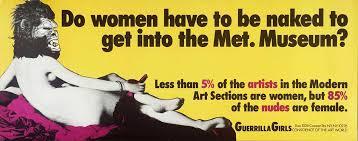
Level 3 Biology
BIO300PURPOSE: This course is for students who enjoy Biology, even if they haven’t studied it previously.
COURSE OUTLINE: A mixture of externally and Internally assessed achievement standards. This course is eligible for subject endorsement.
In this course there are two externals. One is the study of evolution and how we get new species of plants and animals. The other is human evolution, learning about the upright walking species that have lived over the last 2 million years. The other two assessments in this course are internals. One is a practical investigation and the other involves learning about the way the human body maintains a constant internal environment (blood glucose, temperature etc).
As half the credits in this course come from external exams, it is expected that students will carry out independent study throughout the year in order to prepare for their external assessments.
UE COURSE. Note - There is a two standard double up with SCI303. Students can take both SCI303 and BIO303 however this will only translate to one UE course.
Level 3 Business Studies
BUS303Business Studies is about understanding the decisions businesses make and why some ideas work while others do not.
How does a business convince people to choose its product instead of someone else’s? How does it decide whether a big investment is actually worth the money? What happens when technology, customer expectations or the economy changes? And how can a business prepare for a future that is hard to predict?
In Year 13 Business Studies, you will start thinking more like someone actually making these decisions.
You will explore how businesses understand their customers and develop marketing strategies to reach them. You will look at how businesses can prepare for change and make decisions that help them survive and grow in the long term.
We will also get into the money behind big business decisions. You will compare different ways a business could finance a major investment and think about the impact those choices could have.
There may also be an opportunity to explore innovation and how businesses change products and the way they are produced to better meet what customers want.
Business Studies will help you understand what is happening behind the brands, products and businesses you see every day. It is about learning how to look at the options, weigh up the risks and make a decision you can actually justify.
What will you get out of the course?
Learning includes:
- understanding how businesses make strategic decisions
- developing a marketing plan for a product
- understanding customers and what influences their decisions
- using market research to help make business decisions
- exploring how businesses respond to change
- examining different ways businesses can prepare for the future
- comparing different ways of financing major business investments
- considering the risks and consequences of different options
- exploring how innovation can help products meet changing customer needs
- using evidence and business knowledge to justify your decisions
Level 3 Chemistry
CHEM300Have you ever thought about what makes kevlar bulletproof while being lighter than steel? In this course you learn how atoms interact with each other and produce material that have unique properties. This course continues to develop your understanding of how chemists describe reactions and we will revisit redox, acid/base and equilibrium reactions and introduce organic chemistry, quantitative analysis and spectroscopy.
This course is designed to provide you with a strong foundation for university studies. If you are planning to study Engineering, Chemistry, Biomedical or Veterinary Science at university, then you should take this course.
UE COURSE
You will get UE and Subject endorsement from this course.
Level 3 Construction
CONST303PURPOSE: This course is for those who enjoy designing, making projects and developing their skills. You will work in groups to plan and construct a project that meets the complexity of a level 3 project. This course will enhance the range of skills and knowledge gained at Level 1 and Level 2 Furniture and Design.
VOCATIONAL PATHWAY: Creative Industries, Service Industries, Manufacturing and Technology, Construction and Infrastructure.


Level 3 Design
DESGN303BIG QUESTION: How can designers turn opportunities into innovative and meaningful outcomes?
In this course, students take on the role of a designer and use the Design Process to explore, refine, and communicate their own design ideas. Students will undertake a major design project that allows them to develop a personal design direction and create a resolved body of work. Students will use evidence from their design development to complete an external assessment and showcase their work through an exhibition.
Students will explore how ideation, experimentation, and critical reflection can guide the development of innovative and resolved design solutions. Through independent design practice, students will continue to develop creativity, visual communication, resourcefulness, and self-management skills while refining their ability to justify and communicate their design decisions.
Level 3 Digital Technologies
DIGI303BIG QUESTION: Does your project reflect your pathways?
In doing this course the students will continue to expand on their skills gained in earlier Digital Technologies courses. Again, the students take on the role of a Technologist and will explore their interests through a year-long project. In this project the students will determine their own client and create a product to meet an identified need. They will work within a context. This is where students will get an opportunity to explore paths they are interested in and do self-directed learning. This project (if successful) will give the students University Entrance in this subject. This project is broken up into sections as it is made up of three different Achievement Standards, worth a total of 16 credits. All three standards must be achieved if the student is to gain University Entrance. Good self management is essential for success in this course.
Level 3 Drama
DRA303Take your creativity, performance skills, and theatre knowledge to the next level in this advanced and rewarding course. Building on the work done in Year 12 Drama, this course challenges you to think critically, collaborate effectively, and perform with depth and confidence. You will:
- Perform in a major public production, showcasing your skills in a fully realised performance
- Devise an original piece of drama, exploring complex ideas through creative storytelling
- Explore a range of theatre styles, deepening your understanding of global theatre traditions
- Interpret scripts and develop sophisticated characters, applying advanced acting techniques
Year 13 Drama is a University Entrance approved subject and is perfect for students wanting to pursue the performing arts—or simply grow their confidence, creativity, and teamwork. You don’t need to have taken Drama before, but you must be committed to the process and willing to perform in front of a public audience. This is your chance to take centre stage and make your voice heard.
Level 3 English Futures
ENF300What does the future look like? How can reading and writing help us navigate these uncertain times?
Year 13 English offers a range of texts and ways of looking at our world, drawing on an understanding of critical literary theory and engaging with psychology and dystopian texts to ask questions and attempt to answer life's big questions.
This course is for students interested in critical thinking, the study of English literature and language, or a domain for university or other tertiary institution. This offers offers THREE Level 3 internal assessments and (up to) TWO external exams.
Level 3 English Internals
ENI300The Year 13 English internals course offers students exposure to a range of texts and ways of looking at our world. You will write, view, and speak about the texts you study and what they tell us about the world.
This course offers only 13 credits which are all internally assessed. It is intended for students who like English and studying literature, need Level 2 credits, but don't like exams. It would also be suitable for students who are out of school regularly on a Trades Course or Work Experience. This course is NOT suitable for students who need a UE domain.
Level 3 English Literacy
ENL302The purpose of this course is to provide you with the credits needed for literacy pathways into tertiary study. It is for university, polytechnics, trades, the armed forces, emergency services, community services; anywhere that requires Level 2 literacy and a good level of communication. The focus for the year will be improving your reading and writing skills and to build your confidence.
This course is for students who may have missed out on Level 2 English credits last year, specifically in Reading and Writing. This course offers ONLY Level 2 English standards.
Level 3 Food for Good
FFG303What learning experiences will I have in this course?
Food for Good is a course consisting of both practical experiences and written requirements, for students who enjoy working with food and want to continue developing their skills at Level 3. You will build your knowledge of food preparation, culinary terms, food safety and nutrition within commercial catering, while taking part in a mixture of practical and theory learning. A major focus of the course will be using food to make a positive difference in our community. You will work towards a community food project where you can put your skills into practice while contributing to the wellbeing of others.

How will I be expected to participate?
You will be expected to take an active part in both practical and theory lessons and contribute positively when working independently and as part of a team. You will develop useful skills in food preparation, organisation, communication, teamwork, problem solving and self-management. This course is assessed through Unit Standards and is suited to students who enjoy learning through practical, hands-on experiences alongside supporting theory work.
NB: Students may choose either Food for Good or Level 3 Food and Nutrition, but cannot take both courses.
Level 3 German
LLGER303Continue your language-learning journey, further developing your communication skills, both written and spoken.
In this course we will explore current topics and issues that affect our world today, for example healthy living and the environment. By the end of the course you will be able to understand and produce extended texts on more complex topics. You will learn to produce a balanced argument, addressing varied perspectives and justifying your own point of view.
Level 3 Health - Te Ara Hauora Oranga
HEA303Te Ara Hauora – Oranga
Leading Positive Change
Big Question
How can informed leadership improve the wellbeing of individuals, communities and society?
Course Statement
Te Ara Hauora – Oranga challenges students to become leaders in health by critically analysing complex health issues and taking meaningful action within their communities.
Students explore ethical issues, health policy, social justice, inequity, and the wider determinants of health. They investigate how political, cultural, economic and environmental influences affect wellbeing and evaluate strategies that promote positive change.
Students become increasingly independent learners who use evidence, research and critical thinking to develop informed opinions and advocate for healthier communities.
The course prepares students for tertiary study and careers in nursing, teaching, social work, psychology, counselling, public health, community development, health promotion and allied health professions.
Learning Strands
- Ethics
- Public Health
- Health Promotion
- Social Action
- Leadership
- Advocacy
- Research
- Critical Thinking
- Community Development
- Equity
Learning Experiences
- Community health project
- Health advocacy campaign
- University visits
- Health sector guest speakers
- Community partnerships
Level 3 History
HIST303History is about much more than knowing what happened in the past. It is about investigating why things happened, questioning the evidence that has been left behind and understanding how the ideas and choices of people in the past continue to shape the world we live in today.
In Year 13 History, you will have more freedom to dig into historical events and issues that interest you. You will research for yourself, work with primary and secondary sources and learn how to build your own conclusions rather than simply being given the story.
We will ask questions like: Can we trust the evidence we have? Why are some events remembered differently by different people? What makes something historically important? How do beliefs and ideologies influence the choices people and societies make?
The course also takes us beyond traditional History. You will explore how powerful ideas shaped the classical world and look at the place of religion in Aotearoa New Zealand today. This gives us another way to understand how beliefs, values and ideas can shape societies and change over time.
Year 13 History is about becoming a better investigator of the past. You will learn to question what you read, look beyond the obvious answer and use evidence to work out what you think happened, why it mattered and what we can learn from it.
What will you get out of the course?
Learning includes:
- carrying out your own historical research
- finding and using primary and secondary sources
- questioning the reliability and usefulness of evidence
- analysing important historical events and places
- explaining why events and ideas matter
- understanding how beliefs and ideologies shape societies
- exploring religion in contemporary Aotearoa New Zealand
- recognising that history can be interpreted in different ways
- building strong arguments and supporting them with evidence
- developing independent research, critical-thinking and writing skills
Level 3 Investigative Science
SCI300Year 13 Investigative Science has no external exams and is designed for students who perform best when their teacher continually assesses their work. It aims to develop the research, practical, and investigative skills of students. There are two practical investigation topics and two research topics throughout the year.
Level 3 Japanese
LLJPN303いいしょうらいをつくりましょう!The purpose of this course is to further develop your everyday communication skills in Japanese, both written and spoken. You will be able to expand on what you learned in Year 12 Japanese. You will deepen your understanding of Japanese to be able to understand and talk about unfamiliar topics, as well as discuss social, cultural, and environmental issues that affect both Japan and New Zealand.
Topics will include future plans, technology and IT, travel and tourism, and nature and environment.
Level 3 Law and Order
LAORD303Law and Order is about looking more closely at the ideas and decisions behind our legal system.
Where did New Zealand law actually come from? How have tikanga Māori and British law influenced the system we have today? What do we really mean when we say something is fair or just? And what happens when the law itself becomes something people disagree about?
In Year 13 Law and Order, you will explore how the New Zealand legal system has developed and how ideas about law and justice work when we apply them to real situations. You will use actual cases and legal issues to question whether the law has worked fairly, whose interests it protects and whether different outcomes could have been more just.
You will also investigate how laws are made and changed. When an issue becomes controversial, who gets a say? What influences the final decision? And just because something becomes law, does that necessarily mean it was the best or fairest outcome?
This course is not about memorising pages of legislation. It is about learning how to think about the law, question the decisions that are made and use evidence to decide whether our legal system is actually doing what we expect it to do.
Level 3 Mathematics for Industries
MATIN303This course is fully internal and is designed to strengthen the skills necessary to apply these mathematical methods to real-world situations, enhancing their problem-solving and decision-making abilities.
This course focuses on key topics, including bivariate data analysis, simultaneous equations, linear programming, and critical path analysis. Additionally, this UE-endorsed course provides a pathway for students to gain University Entrance and pursue tertiary studies in various disciplines.

Level 3 Mathematics with Calculus
MATCA303This course is designed for students who love the challenge of problem-solving. In this course, you will build strong analytical thinking and problem-solving skills applicable to various scientific and engineering disciplines. This course is highly recommended for students who have passed Year 12 Algebra.
This course is recommended for advanced studies in mathematics, physics, engineering, computer science, economics, and many other fields.
Level 3 Mathematics with Statistics
MATST303This course is designed for students who aim to deepen their understanding of statistical concepts and methodologies. It includes studies in probability distributions, statistical inference, and time series analysis, preparing students for further education and careers requiring strong analytical and statistical skills.
Additionally, this UE-endorsed course provides a pathway for students to gain University Entrance and pursue tertiary studies in various disciplines. It is highly recommended to be successful in this course that students have passed either Year 12 Algebra or Year 12 Statistics.
Level 3 Music
MUS303Continue your musical journey with our dynamic course crafted just for you! Dive deep into the realm of music, as you hone your skills and explore your passion. From captivating solo and group performances, creating your own compositions or analysing and researching pieces of music – this course covers it all!
But here's the twist: it's not a one-size-fits-all approach. This course bends to your strengths and interests, offering a personalised journey tailored just for you. Choose your path wisely as you select from a range of standards, ensuring your learning experience is as unique as your musical fingerprint.
And the best part? You won't be going it alone. Our mixed-level class brings together students from different stages of their musical journey, offering the perfect environment to challenge yourself and learn from others. So get ready to expand your horizons, push your boundaries, and unlock your full musical potential.
Students will not complete all of the standards below, but rather will choose standards to create their own course of 14-24 credits.
This is an approved University Entrance domain.
Level 3 Painting
ART303BIG QUESTION: How will I create a systematic body of artworks that integrates conventions and regenerates ideas within painting practice?
This course specialises in painting. You will explore and extend your skills in a variety of painting media and use visual conventions, artist models, and personal ideas to communicate meaning in your artworks. You will supported to take risks, extend and learn new skills, and share knowledge together.
You will create a systematic body of painted artworks based on your chosen theme. You will research and refine your idea, deepen and expand your thinking and communicate this in your artworks. To support your investigation, you will develop a strong art journal practice, where you research and evaluate visual ideas and draw inspiration from artist models.
ART303 requires commitment and ongoing participation, both in the classroom and at home. It is excellent preparation for tertiary level study, because of the depth of thinking and the self-management that is required.
This course will teach you many skills and techniques and give you a sense of pride that comes from making meaningful art works.
NOTE: Students who have a strong interest and ambition in the Visual Arts may choose to do a further line of Art by picking ARTX323. This is recommended if you want more time to complete extra optional Internal Assessments or do SCHOLARSHIP PAINTING.
This is a UE COURSE

Arwen Dyhrberg, Excellence and Scholarship Painting, 2025

Paul Mackay, Excellence and Scholarship Painting, 2024

Bianca Duca, Excellence and Scholarship Painting, 2024
 Tarn Excellence 2022
Level 3 Philosophy
PHIL303Year 13 Philosophy is about exploring the big questions of life, understanding why people think the way they do and working out what we believe for ourselves.
We will look at questions that humans have argued about for thousands of years. What is the meaning of life? Does God exist? Are we really free to make our own choices? Are people naturally good or selfish? What makes a society fair?
There are no easy answers to these questions and that is kind of the point.
You will look at how philosophers, religions, political ideas and different worldviews try to make sense of life and society. We will unpack why two people can look at the same issue, see the same evidence and still come to completely different conclusions.
This course will help you understand how people’s values, beliefs, experiences and ideologies shape the way they see the world. You will learn how to look past political labels and social media arguments to work out what people actually believe, why they believe it and whose interests those ideas might support.
We will also move beyond just talking about what is wrong with the world. You will investigate social issues that matter to you, look at how people have tried to create change and take part in an action that aims to make a positive difference.
Year 13 Philosophy will not tell you what to think. It will give you the tools to question ideas, understand different perspectives and decide what you stand for.
What will you get out of the course?
You will develop a toolkit of skills that will help you at university, in the workplace and in everyday life.
Learning includes:
- asking better questions rather than accepting easy answers
- understanding why people have different beliefs and perspectives
- unpacking political ideas and ideologies
- spotting bias, assumptions and manipulation
- judging whether evidence and sources can be trusted
- researching issues that matter to you
- explaining and defending your own ideas
- listening to and challenging different points of view
- understanding how people and campaigns try to create change
- turning your ideas into action
Level 3 Photography
PHOTO303
BIG QUESTION: How will I create a systematic body of artworks that integrates conventions and regenerates ideas within photography practice?
Course Description: This course requires students to use drawing methods to generate, develop, clarify, and regenerate a range and depth of ideas related to photography. Students will use techniques and processes to investigate genres and styles within the established practice of photography; the learning outcome is to produce an original body of work.
At Level 3, the students will research methods and ideas for their drawing investigation based on their own interest and submit a proposal for their course of study. Each assessment gives the student the opportunity to develop specific areas of their work while they are in the process of building their folio for external submission.
Students will have an opportunity to gain 14 external credits and 8 internal credits in this course.
Students will have access to digital SLR cameras and lenses during class time, but having your own camera would be an advantage.
This is a UE COURSE

Level 3 Physical Education
PED303Big Question: How does physical activity affect our wellbeing and shape who we are as individuals, communities and cultures?
Who is this course for? This course is for students who love to be active and see the benefits of physical activity. It is a course that has a focus on skill learning, how to train, developing skills, and investigating influences on physical activity. If you would like to develop that knowledge and those abilities, then this Level 3Physical Education course is for you.
UE COURSE
Level 3 Physics
PHY333PURPOSE: This course is for students who enjoy Physics and are looking to study Physics, Science or Engineering further after leaving Heretaunga College. It will build on their understanding of key Physics topics introduced in the Level 2 Physics course.
COURSE OUTLINE: This course consists of two externally assessed standards (Mechanics and Electricity) and one internally assessed standard (Practical Investigation). This course is eligible for subject endorsement.
This course comprises 3 Achievement Standards. The 3 Standards are Mechanics (6 credits), Practical Investigation (4 credits) and Electricity (6 credits). All three Standards build on the knowledge developed in the Physics Level 2 Course.
The Level 3 Mechanics Standard examines motion, but the emphasis is on rotational motion, whereas in Level 2, the focus is on linear motion. We also examine topics such as Gravitation, and Satellites and Simple Harmonic Motion.
Students who typically take the Mechanics Standard will use the knowledge gained in these courses to enter Engineering/Architecture courses at a University or Polytechnic.
The Level 3 Electricity Standard examines simple D.C. Circuit Analysis and investigates the underlying physics of Capacitors and Inductors and their use in D.C Circuits. In the A.C section of the course, we study the behaviour of combinations of Inductors, Capacitors and Resistors and the phenomenon of Resonance and its use in Tuned Circuits. Like the Mechanics Standard, the Electricity standard is of use to those students who want to study electronics to a higher level in an Engineering Course at a University or Polytechnic.
The Physics Standards include a Practical Paper concerned with Experimental Physics where students conduct an experiment and analyse the data using graphs similar to that in the level 2 Physics course.
UE COURSE
Level 3 Psychology
PSY303Psychology is about trying to understand one of the most complicated things there is....people!
Why do two people respond completely differently to the same situation? How much of who we are comes from our biology, our thinking, the people around us or our experiences? And when psychologists give us an explanation for human behaviour, how do we know whether they are actually right?
In Year 13 Psychology, we go deeper into these questions by looking at different psychological approaches and theories and seeing what happens when we put them up against each other.
You will explore important psychological research and question why some studies have completely changed the way we understand people and society. You will also look at how psychological theories are actually used in areas such as clinical, forensic, educational, developmental and social psychology.
A big part of the course is also becoming more independent. You will carry out your own psychological research, make decisions about how to investigate behaviour, collect and interpret evidence and think critically about the strengths and weaknesses of what you have done.
Psychology will not give you one simple explanation for human behaviour. It will help you understand the different ways behaviour can be explained, question the evidence behind those explanations and decide which ideas make the most sense.
What will you get out of the course?
Learning includes:
- exploring different psychological explanations for human behaviour
- understanding how psychological approaches can work together or challenge each other
- analysing important psychological research and why it matters
- questioning how research has influenced society
- understanding how psychological theories are used in the real world
- exploring fields such as clinical, forensic, educational, developmental and social psychology
- planning and carrying out your own independent psychological research
- collecting, interpreting and evaluating evidence
- questioning the strengths and limitations of psychological explanations
- developing your research, critical-thinking and academic writing skills
Level 3 School of Hospitality Full Time
SOHFTThe School of Hospitality runs on a different timetable then the rest of the school as this prepares you for the work force.
For 2027, The Heretaunga College School of Hospitality will offer
1. A full-time practical and theory based catering course aimed at developing real world applicable skills for the Hospitality Industry.
Students are fully immersed in a commercial kitchen and café environment, running the school café and reputable catering service, whilst developing the essential skills required for a future in the Hospitality Industry or ongoing tertiary studies. Upon successful completion of this course students will achieve a New Zealand Certificate in Hospitality (Basic Cookery) Level 3.
2. A part- time (2 years) practical and theory based catering course aimed at developing real world applicable skills for the Hospitality Industry.
Students are fully immersed in a commercial kitchen and café environment, running the school café and reputable catering service, whilst developing the essential skills required for a future in the Hospitality Industry or ongoing tertiary studies. Upon successful completion of this course students will achieve a New Zealand Certificate in Hospitality (Basic Cookery) Level 3.
3. A 2 day a week practical and theory based catering course aimed at developing real world applicable skills - Students will attend 2 days a week running the cafe and 1 day of theory work. You will receive level 3 Unit Standards, however they will not complete the Certificate.
You will be working on this up until the last week of term 4
THE HC SCHOOL OF HOSPITALITY INVOLVES:
- Wide range of practical cookery techniques and methods
- Knife skills, food hygiene and workplace safety
- Coffee and barista training (when possible)
- Food service, cash handling, teamwork and problem solving
- Nationally recognized qualification with 60 Level 3 NCEA credits only for those completing the 1 full time or 2 year part time programme.
COURSE OUTLINE: A wide range of practical cookery techniques and methods, knife skills, food safety, customer service, workplace safety, coffee and barista training. Upon successful completion of the course students will be awarded a New Zealand Certificate in Hospitality Basic Cookery Level 3.
Level 3 School of Hospitality Part Time
SOHPTThe School of Hospitality runs on a different timetable then the rest of the school as this prepares you for the work force.
For 2027, The Heretaunga College School of Hospitality will offer
1. A full-time practical and theory based catering course aimed at developing real world applicable skills for the Hospitality Industry.
Students are fully immersed in a commercial kitchen and café environment, running the school café and reputable catering service, whilst developing the essential skills required for a future in the Hospitality Industry or ongoing tertiary studies. Upon successful completion of this course students will achieve a New Zealand Certificate in Hospitality (Basic Cookery) Level 3.
2. A part- time (2 years) practical and theory based catering course aimed at developing real world applicable skills for the Hospitality Industry.
Students are fully immersed in a commercial kitchen and café environment, running the school café and reputable catering service, whilst developing the essential skills required for a future in the Hospitality Industry or ongoing tertiary studies. Upon successful completion of this course students will achieve a New Zealand Certificate in Hospitality (Basic Cookery) Level 3.
3. A 2 day a week practical and theory based catering course aimed at developing real world applicable skills - Students will attend 2 days a week running the cafe and 1 day of theory work. You will receive level 3 Unit Standards, however they will not complete the Certificate.
You will be working on this up until the last week of term 4
THE HC SCHOOL OF HOSPITALITY INVOLVES:
- Wide range of practical cookery techniques and methods
- Knife skills, food hygiene and workplace safety
- Coffee and barista training (when possible)
- Food service, cash handling, teamwork and problem solving
- Nationally recognized qualification with 60 Level 3 NCEA credits only for those completing the 1 full time or 2 year part time programme.
COURSE OUTLINE: A wide range of practical cookery techniques and methods, knife skills, food safety, customer service, workplace safety, coffee and barista training. Upon successful completion of the course students will be awarded a New Zealand Certificate in Hospitality Basic Cookery Level 3.
Level 3 Te Ao Haka
TAH303Continue your Te Ao Haka journey by taking your performance, creativity, and leadership to the highest level. This course gives you the opportunity to create original stage-stealing performances, perform at a high standard, and explore the deeper meanings behind Māori performing arts through your own personal journey. You'll take the lead in performances, mentor younger students, and represent the school at a range of events. If you're passionate about kapa haka, enjoy performing, and want to leave your mark, this course is the perfect way to finish your senior years at our kura, and start the next part of your journey.
Level 3 Tikanga ā-Iwi
TIKA303Tikanga ā-Iwi is a supported Level 3 Social Sciences course designed to help you build confidence, complete meaningful mahi and work towards gaining the credits you need.
Rather than focusing on just one subject, you will explore a bit of everything across the Social Sciences. This includes History, Geography, Business, Economics, Psychology and Social Studies.
You will investigate real people, events and issues and look at questions such as: Why do people behave the way they do? Why do businesses make certain decisions? What makes an event important? How do major events affect people and places? Why do people campaign to try and create change?
The course is broken into clear steps and you will be given plenty of support along the way. This includes writing frames, examples, checkpoints, teacher guidance and opportunities to work through assessments one part at a time.
The aim is not to throw you into difficult Level 3 mahi and expect you to figure it out by yourself. We will work alongside you to help you understand what each assessment is asking, organise your ideas and show what you know.
You will still be completing genuine Level 3 Achievement Standards, but the course is designed to give you the structure and support you need to have the best chance of success.
What will you get out of the course?
Learning includes:
- investigating real events and issues
- learning how to find and use evidence
- understanding different points of view
- breaking bigger tasks into smaller and more manageable steps
- developing your writing and research skills
- learning how to explain your ideas clearly
- building confidence with Level 3 assessment mahi
- using feedback and checkpoints to improve your work
- working towards a range of Level 3 credits across the Social Sciences
Please note: This course includes achievement standards from a range of Social Sciences subjects. Students who wish to take another Social Sciences subject alongside this course may only choose Level 3 Tourism, as all other Social Sciences courses include overlapping achievement standards.
Level 3 Tourism
TOUR303Tourism connects people with places, cultures and experiences all around the world. But what actually makes somewhere a great destination, and what happens when thousands or even millions of people want to visit the same place?
In Year 13 Tourism, you will explore some of the destinations closest to us, including Aotearoa New Zealand, Australia and the Pacific Islands. You will look at what attracts visitors to these places, the experiences they offer and what makes each destination different.
We will also look beyond the holiday photos and ask what tourism actually does to a place. Tourism can create jobs, bring money into communities and help people share their culture with the world, but it can also put pressure on the environment, local communities and the places people have travelled to see.
You will explore the economic, social, cultural and environmental impacts of tourism and think about how the industry can grow in ways that are better for both visitors and the places they visit.
This is a practical course that gives you useful knowledge about destinations and the tourism industry while preparing you for further study, training or work in tourism, travel and hospitality.
What will you get out of the course?
Learning includes:
- exploring what makes Aotearoa New Zealand a tourism destination
- learning about major attractions, activities and destinations around New Zealand
- discovering what makes different Pacific Island countries unique for visitors
- learning about Australian tourism destinations and experiences
- understanding why people choose particular destinations
- examining the economic benefits and costs of tourism
- understanding how tourism can affect local communities and cultures
- exploring the environmental impacts of tourism
- thinking about how tourism can become more sustainable
- developing strong knowledge of destinations useful for future tourism study or work
Level 3 Workplace Essentials
WORKX303BIG QUESTION: Can learning different applications on the computer help me with both school and potential employment?
The purpose of this course is to learn advanced skills using some of the MS applications. This course is designed to teach you about ethical behaviour and basic administrative duties within the workplace. Our focus is on developing accurate text entry and creating a range of documents that are widely used in the workplace.
Pacific Studies
PAC123Pacific Studies is a space where all students can learn more about Pacific cultures, histories and connections across the Pacific, while also giving all students the opportunity to understand and celebrate the diverse Pacific communities that are such an important part of Aotearoa New Zealand.
Throughout the year, you will explore Pacific societies, indigenous knowledge, traditions, identity and important historical events. You will have opportunities to investigate topics that connect with your own culture, whānau or interests and learn more about how Pacific peoples have shaped, and continue to shape, Aotearoa and the wider Pacific.
Pacific Studies will connect closely with the Heretaunga College Polygroup, giving you the opportunity to learn, participate and perform traditional Pacific dance alongside others.
For Pacific students, this is a chance to see your culture and experiences reflected in what you learn at school, strengthen your connection to your heritage and learn from the knowledge and experiences of others. For students from other backgrounds, it is an opportunity to learn respectfully about the cultures, histories and perspectives of the Pacific.
You do not need to already know heaps about Pacific culture or be an experienced performer. Pacific Studies is a place to learn, ask questions, build confidence, make connections and be part of something together.
Skills for Success 123 (A)
SKIL101Skills for Success is a supported learning course designed for students who want to build the confidence and practical skills needed to thrive in everyday life—no matter the path they choose. Through a strengths-based approach, students will develop strategies to manage daily challenges and grow their independence. Topics include personal care, household living skills, environmental awareness, recreation and leisure, and social interaction. With a strong focus on well-being and future planning, this course helps students prepare for life beyond school.
Students can choose to take 1 or 2 lines of Skills for Success depending on their needs and goals.
Entry into this course is subject to consultation with Year Level Deans and the Head of Learning Support.
Skills for Success 123(B)
SKIL303Skills for Success is a supported learning course designed for students who want to build the confidence and practical skills needed to thrive in everyday life—no matter the path they choose. Through a strengths-based approach, students will develop strategies to manage daily challenges and grow their independence. Topics include personal care, household living skills, environmental awareness, recreation and leisure, and social interaction. With a strong focus on well-being and future planning, this course helps students prepare for life beyond school.
Students can choose to take 1 or 2 lines of Skills for Success depending on their needs and goals.
Entry into this course is subject to consultation with Year Level Deans and the Head of Learning Support.
Trade Enterprise
TRES123Are you:
- Interested in creating, designing or making your own products?
- Someone who has a business idea you would like to bring to life?
- Interested in learning how to make money from a product or service?
- Looking for a practical, hands-on way to develop business and enterprise skills?
The Young Enterprise Scheme is a practical, project-based course where students work in a small group to develop their ideas and turn them into a real business.
As part of the course, you will be expected to create and operate a business as part of a team. You will work through the process of developing an idea, creating or sourcing a product or service, building a brand, marketing your business and selling to real customers.
Learning may include:
- Product design and development
- Marketing and branding
- Financial literacy, budgeting and pricing
- Business planning
- Customer research
- Sales and promotion
- Teamwork and communication
- Young Enterprise Scheme activities and events
Assessment in this course will be through Unit Standards focusing on group work, work ready skills and interpersonal skills
This course is a great option for students interested in business, entrepreneurship, design, technology, marketing or self-employment, or anyone who wants to develop practical skills by taking an idea from concept through to a real product or business.
Trades Academy and Gateway Support
TRADES123Are you:
- Applying for a two-day Trades Academy course?
- Interested in completing work experience or Gateway?
- Looking for practical support to prepare for employment or further training?
This course is designed for students who are involved in Trades Academy, Gateway, work experience or other learning outside of school for two or more days each week.
You do not have to select this course to apply for a Trades Academy. However, it may be a good option if you would benefit from dedicated time at school to keep on top of your learning, strengthen your literacy and numeracy, or complete Gateway and other Pathways-related coursework.
The course has a strong focus on preparing you for the world of work. Learning may include:
- Work-ready skills and unit standards
- Gateway coursework and assessment
- Literacy and numeracy support
- Driver licensing
- Short industry courses and certifications
- CVs, job applications and interview preparation
- Career and pathway planning
- Support to organise and prepare for work experience
This is a practical, flexible course designed to help you build the skills, qualifications and confidence you need for your next steps beyond school.
Year 13 Numeracy
MATNU303This course is designed for students aiming to pass their Numeracy CAA and offers students the chance to earn Level 1 and Level 2 credits while strengthening their skills through a focused Numeracy CAA program.
With a flexible and personalised approach, the course is designed to meet individual learning needs, allowing every student to succeed in the way that works best for them.
Please note: This is a differentiated course, and the total number of credits earned will depend on each student’s achievement and success in the Numeracy CAA.
lised approach, the course is designed to meet individual learning needs, allowing every student to succeed in the way that works best for them.
Please note: This is a differentiated course, and the total number of credits earned will depend on each student’s achievement and success in the Numeracy CAA.
Subjects for Year 13 Students
Level 3 School of Hospitality Full Time
SOHFTThe School of Hospitality runs on a different timetable then the rest of the school as this prepares you for the work force.
For 2027, The Heretaunga College School of Hospitality will offer
1. A full-time practical and theory based catering course aimed at developing real world applicable skills for the Hospitality Industry.
Students are fully immersed in a commercial kitchen and café environment, running the school café and reputable catering service, whilst developing the essential skills required for a future in the Hospitality Industry or ongoing tertiary studies. Upon successful completion of this course students will achieve a New Zealand Certificate in Hospitality (Basic Cookery) Level 3.
2. A part- time (2 years) practical and theory based catering course aimed at developing real world applicable skills for the Hospitality Industry.
Students are fully immersed in a commercial kitchen and café environment, running the school café and reputable catering service, whilst developing the essential skills required for a future in the Hospitality Industry or ongoing tertiary studies. Upon successful completion of this course students will achieve a New Zealand Certificate in Hospitality (Basic Cookery) Level 3.
3. A 2 day a week practical and theory based catering course aimed at developing real world applicable skills - Students will attend 2 days a week running the cafe and 1 day of theory work. You will receive level 3 Unit Standards, however they will not complete the Certificate.
You will be working on this up until the last week of term 4
THE HC SCHOOL OF HOSPITALITY INVOLVES:
- Wide range of practical cookery techniques and methods
- Knife skills, food hygiene and workplace safety
- Coffee and barista training (when possible)
- Food service, cash handling, teamwork and problem solving
- Nationally recognized qualification with 60 Level 3 NCEA credits only for those completing the 1 full time or 2 year part time programme.
COURSE OUTLINE: A wide range of practical cookery techniques and methods, knife skills, food safety, customer service, workplace safety, coffee and barista training. Upon successful completion of the course students will be awarded a New Zealand Certificate in Hospitality Basic Cookery Level 3.
Level 3 School of Hospitality Part Time
SOHPTThe School of Hospitality runs on a different timetable then the rest of the school as this prepares you for the work force.
For 2027, The Heretaunga College School of Hospitality will offer
1. A full-time practical and theory based catering course aimed at developing real world applicable skills for the Hospitality Industry.
Students are fully immersed in a commercial kitchen and café environment, running the school café and reputable catering service, whilst developing the essential skills required for a future in the Hospitality Industry or ongoing tertiary studies. Upon successful completion of this course students will achieve a New Zealand Certificate in Hospitality (Basic Cookery) Level 3.
2. A part- time (2 years) practical and theory based catering course aimed at developing real world applicable skills for the Hospitality Industry.
Students are fully immersed in a commercial kitchen and café environment, running the school café and reputable catering service, whilst developing the essential skills required for a future in the Hospitality Industry or ongoing tertiary studies. Upon successful completion of this course students will achieve a New Zealand Certificate in Hospitality (Basic Cookery) Level 3.
3. A 2 day a week practical and theory based catering course aimed at developing real world applicable skills - Students will attend 2 days a week running the cafe and 1 day of theory work. You will receive level 3 Unit Standards, however they will not complete the Certificate.
You will be working on this up until the last week of term 4
THE HC SCHOOL OF HOSPITALITY INVOLVES:
- Wide range of practical cookery techniques and methods
- Knife skills, food hygiene and workplace safety
- Coffee and barista training (when possible)
- Food service, cash handling, teamwork and problem solving
- Nationally recognized qualification with 60 Level 3 NCEA credits only for those completing the 1 full time or 2 year part time programme.
COURSE OUTLINE: A wide range of practical cookery techniques and methods, knife skills, food safety, customer service, workplace safety, coffee and barista training. Upon successful completion of the course students will be awarded a New Zealand Certificate in Hospitality Basic Cookery Level 3.
Skills for Success 123 (A)
SKIL101Skills for Success is a supported learning course designed for students who want to build the confidence and practical skills needed to thrive in everyday life—no matter the path they choose. Through a strengths-based approach, students will develop strategies to manage daily challenges and grow their independence. Topics include personal care, household living skills, environmental awareness, recreation and leisure, and social interaction. With a strong focus on well-being and future planning, this course helps students prepare for life beyond school.
Students can choose to take 1 or 2 lines of Skills for Success depending on their needs and goals.
Entry into this course is subject to consultation with Year Level Deans and the Head of Learning Support.
Skills for Success 123(B)
SKIL303Skills for Success is a supported learning course designed for students who want to build the confidence and practical skills needed to thrive in everyday life—no matter the path they choose. Through a strengths-based approach, students will develop strategies to manage daily challenges and grow their independence. Topics include personal care, household living skills, environmental awareness, recreation and leisure, and social interaction. With a strong focus on well-being and future planning, this course helps students prepare for life beyond school.
Students can choose to take 1 or 2 lines of Skills for Success depending on their needs and goals.
Entry into this course is subject to consultation with Year Level Deans and the Head of Learning Support.