
St Mary’s College (Wellington)
Wellington
St Mary’s College (Wellington) Curriculum
87 subjects available for 2026/2027.
Subjects for Year 8 Students
Year 9 French
9FRThis course is full a year. Students will learn basic greetings and talking about their family and hobbies. There is an emphasis on cultural understanding. Students will participate in many events across languages and explore the culture of the language they study.


Year 9 Japanese
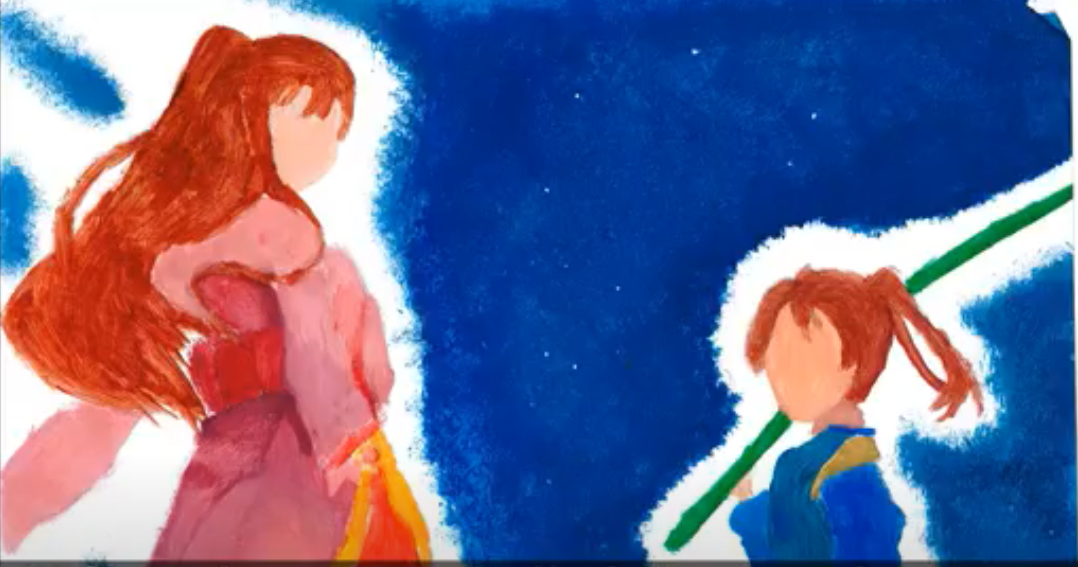
9JPThis course is half a year. Students will learn basic greetings and talking about their family and hobbies. There is an emphasis on cultural understanding. Students will participate in many events across languages and explore the culture of the language they study.


Subjects for Year 9 Students
Year 10 Digital Technologies
10DT


The Year 10 Digital Technologies course includes the use of a variety of digital media tools, programming tools, communication tools and software applications.
- Digital Design: Create eye catching digital designs.
- Introduction to Virtual Reality: Explore the world of virtual reality, how it is used in tourism and for training and more.
- App Development: Step into the future and create your own mobile app.
- Website Design: Design websites, using HTML and CSS.
- Programming: Learn how to code and create a program using Python.
Year 10 Digital Technologies Half Year
10DT2This is the half year Digital Technologies Course.
The Year 10 Digital Technologies course includes the use of a variety of digital media tools, programming tools, communication tools and software applications.
- Digital Design: Create eye catching digital designs.
- Introduction to Virtual Reality: Explore the world of virtual reality, how it is used in tourism and for training and more.
- App Development: Step into the future and create your own mobile app.
- Website Design: Design websites, using HTML and CSS.
- Programming: Learn how to code and create a program using Python.
Year 10 Drama
10DRStep out of your comfort zone, build friendships and discover yourself in Year 10 Drama. The half-year course will develop practical knowledge and ideas about drama while strengthening communication and interpretation skills through the exploration of dramatic techniques when creating and performing group dramas.
Students will learn about:
- Drama techniques, elements, conventions and technologies
- Theatre forms (Physical Theatre and Elizabethan Theatre)
- Analysing live theatre
- Preparing a role for a production
This course lays the foundations for NCEA Level One Drama.
 Year 10 Drama The Tempest
 Year 10 Drama Half Year
10DR2This is a half year Drama course.
Step out of your comfort zone, build friendships and discover yourself in Year 10 Drama. The half-year course will develop practical knowledge and ideas about drama while strengthening communication and interpretation skills through the exploration of dramatic techniques when creating and performing group dramas.
Students will learn about:
- Drama techniques, elements, conventions and technologies
- Theatre forms (Physical Theatre and Elizabethan Theatre)
- Analysing live theatre
- Preparing a role for a production
This course lays the foundations for NCEA Level One Drama.
Year 10 Drama The Tempest Year 10 Fashion Design Technology
10FDT
Year 10 Fashion Design overview:
A creative, hands-on course where students develop practical fashion and construction skills while exploring materials, design, sustainability and innovative solutions.
Learning
- Students will explore different fabrics and their properties and develop a range of practical construction techniques to create fashion outcomes such as pyjama shorts, a hoodie or a summer skirt. They will learn to select appropriate materials and techniques, test their ideas, and refine their designs to create high-quality outcomes that are fit for purpose.
- Students will also have the opportunity to design and create a fashion outcome of their choosing. They will investigate and test materials, develop and refine their design ideas, and use appropriate construction techniques to produce a quality outcome that meets the needs of the intended user.
Year 10 Fashion Design Technology Half Year
10FD2This is the half year Fashion and Design Technology course.
Year 10 Fashion Design overview:
A creative, hands-on course where students develop practical fashion and construction skills while exploring materials, design, sustainability and innovative solutions.
Learning
- Students will explore different fabrics and their properties and develop a range of practical construction techniques to create fashion outcomes such as pyjama shorts, a hoodie or a summer skirt. They will learn to select appropriate materials and techniques, test their ideas, and refine their designs to create high-quality outcomes that are fit for purpose.
- Students will also have the opportunity to design and create a fashion outcome of their choosing. They will investigate and test materials, develop and refine their design ideas, and use appropriate construction techniques to produce a quality outcome that meets the needs of the intended user.
Year 10 Food and Processing Technology
10FNT
This is an open-entry course. During the course, you will develop practical food skills while exploring how ingredients behave and work together to create safe, sustainable and fit-for-purpose food products.
Learning:
- Create and develop food products – experiment with ingredients, flavours and techniques to design food that looks and tastes great.
- Discover the science behind food – learn how ingredients behave and how processes such as fermentation, dehydration and emulsification transform food.
- Test, taste and improve – use sensory testing, practical trials and feedback to refine your creations and make them fit for purpose.
- Design food responsibly – consider food safety, culture, sustainability, allergens, packaging and waste when developing products for real people.
Year 10 Food and Processing Technology Half Year
10FN2This is the half year Food and Processing Technology course.
This is an open-entry course. During the course, you will develop practical food skills while exploring how ingredients behave and work together to create safe, sustainable and fit-for-purpose food products.
Learning:
- Create and develop food products – experiment with ingredients, flavours and techniques to design food that looks and tastes great.
- Discover the science behind food – learn how ingredients behave and how processes such as fermentation, dehydration and emulsification transform food.
- Test, taste and improve – use sensory testing, practical trials and feedback to refine your creations and make them fit for purpose.
- Design food responsibly – consider food safety, culture, sustainability, allergens, packaging and waste when developing products for real people.
Year 10 French
10FR
Y 10 FRENCH
Our Year 10 course builds on the topics covered in Year 9 and prepares you for interacting more confidently in daily life situations. You will learn to discuss your daily activities, the weather, shop for food and clothing, plan outings and communicate your feelings by giving reasons. You will also learn how to ask for and understand directions - a vital skill for your trip to your French-speaking country!
We hope to begin planning for a trip to New Caledonia…
CULTURAL STUDIES
(And no, it’s not just about France…) New Caledonia, Canada, French Polynesia, Morocco, Mali….the list goes on and on..
An important part of all lessons is the cultural component. You will be encouraged to access information about France and other French-speaking countries and experience French food and literature. We will listen to French songs and take part in French cooking (and eating too - of course!)
NEXT STEPS
You will find that this course provides an excellent basis for NCEA Levels 1-3 and beyond.
New Zealand is part of the global economy and knowledge of French can prepare you for a career in tourism, trade, marketing, diplomacy, interpreting, broadcasting, hospitality, music, international banking, or even winemaking.
Year 10 Japanese
10JP
Our Year 10 course builds on the topics covered in Year 9 and prepares you for interacting confidently in daily life situations. You will learn how to read and write using katakana script and kanji characters (Chinese characters) as well as continuing to use hiragana script. You will learn to discuss your daily activities, your likes and dislikes, and how to describe your friends and family.
CULTURAL STUDIES
An important part of all lessons is the cultural component. You will enjoy exploring both traditional and modern cultural aspects such as Fashion, music and food, and meeting students from our Japanese exchange schools.
NEXT STEPS
This course gives you an excellent basis for NCEA Levels 1-3 and beyond.
New Zealand is part of the global economy and knowledge of Japanese can prepare you for a career in tourism, trade, media, marketing, diplomacy, interpreting, broadcasting, hospitality, music, and financing.
All Topics and Contexts are to be confirmed in 2027.

Year 10 Music
10MU

Year 10 Music is a fun course where students pick the instrument and styles of music they work on.
You will work in a group - this might be band, vocal group, guitar group or an instrumental group - and develop your instrumental skills (voice counts as an instrument). We get feedback from students that they love getting to work in a musical group.
Our tutors - Paul, Emma and Sharon work with Y10 students on their groups and music lessons. Y10 music students get to take part in our lessons and this includes drums, bass, guitar, singing and piano, along with the other instruments offered. (Y10 students who don't take this class may not get a lesson space)
We work on developing essential skills - confidence, working with others, resilience, and helps to develop your own musical identity. We work on creating your own movie music, learning about songwriting, learning about some key NZ songs and how to use music technology such as Soundtrap, Garageband or Noteflight.
It is also the perfect course for students who enjoy a mixture of practical, being creative, technology and different musical styles!

Groups might be a band, instrumental ensemble with strings, piano or other instruments, a guitar ensemble or a vocal ensemble. It is really fun creating music together!
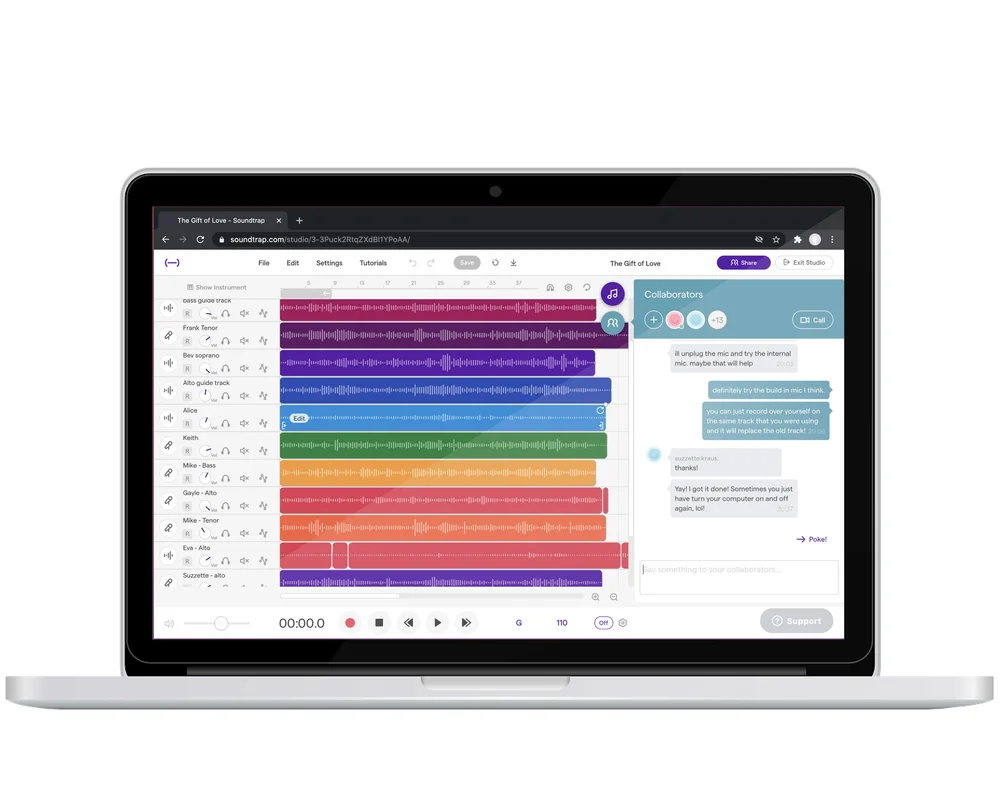
We also build on the things you learnt about creating your own music. You will learn about the lyric/song writing, and how to use other music composing software. You’ll be learning more about your own musical style. During the year you will learn how to create digital music (this might be movie music), a bit about songwriting and how to use music notation software to create written music. You also get to explore your creativity - confidence in your own creative thinking is a vital skill for all career pathways (not just for musicians!)

Along with the practical parts of the course, you will learn about music literacy (you don’t need to be an expert already), more about chords and harmony and you will also learn about different instruments and musical genres.
NEXT STEPS
Year 10 Music forms the basis for NCEA Level 1 Music. The new standards focus on students development, real life skills and being able to express your identity and musical tastes. They allow students to assess in a way they are comfortable and bring the focus back on learning rather than assessment.
Year 10 Music Half Year
10MU2This is the half year Music course.
Year 10 Music is a fun course where students pick the instrument and styles of music they work on.
You will work in a group - this might be band, vocal group, guitar group or an instrumental group - and develop your instrumental skills (voice counts as an instrument). We get feedback from students that they love getting to work in a musical group.
Our tutors - Paul, Emma and Sharon work with Y10 students on their groups and music lessons. Y10 music students get to take part in our lessons and this includes drums, bass, guitar, singing and piano, along with the other instruments offered. (Y10 students who don't take this class may not get a lesson space)
We work on developing essential skills - confidence, working with others, resilience, and helps to develop your own musical identity. We work on creating your own movie music, learning about songwriting, learning about some key NZ songs and how to use music technology such as Soundtrap, Garageband or Noteflight.
It is also the perfect course for students who enjoy a mixture of practical, being creative, technology and different musical styles!
Groups might be a band, instrumental ensemble with strings, piano or other instruments, a guitar ensemble or a vocal ensemble. It is really fun creating music together!
We also build on the things you learnt about creating your own music. You will learn about the lyric/song writing, and how to use other music composing software. You’ll be learning more about your own musical style. During the year you will learn how to create digital music (this might be movie music), a bit about songwriting and how to use music notation software to create written music. You also get to explore your creativity - confidence in your own creative thinking is a vital skill for all career pathways (not just for musicians!)
Along with the practical parts of the course, you will learn about music literacy (you don’t need to be an expert already), more about chords and harmony and you will also learn about different instruments and musical genres.
NEXT STEPS
Year 10 Music forms the basis for NCEA Level 1 Music. The new standards focus on students development, real life skills and being able to express your identity and musical tastes. They allow students to assess in a way they are comfortable and bring the focus back on learning rather than assessment.
Year 10 Samoan
10SAYear 10 course will maintain a focus on communication, cultural and language knowledge. Students will learn to talk about themselves and their environment as well as exploring some cultural practice. The year 10 course will prepare our students for level 1 Samoan course.

Year 10 Te Reo Māori
10TRM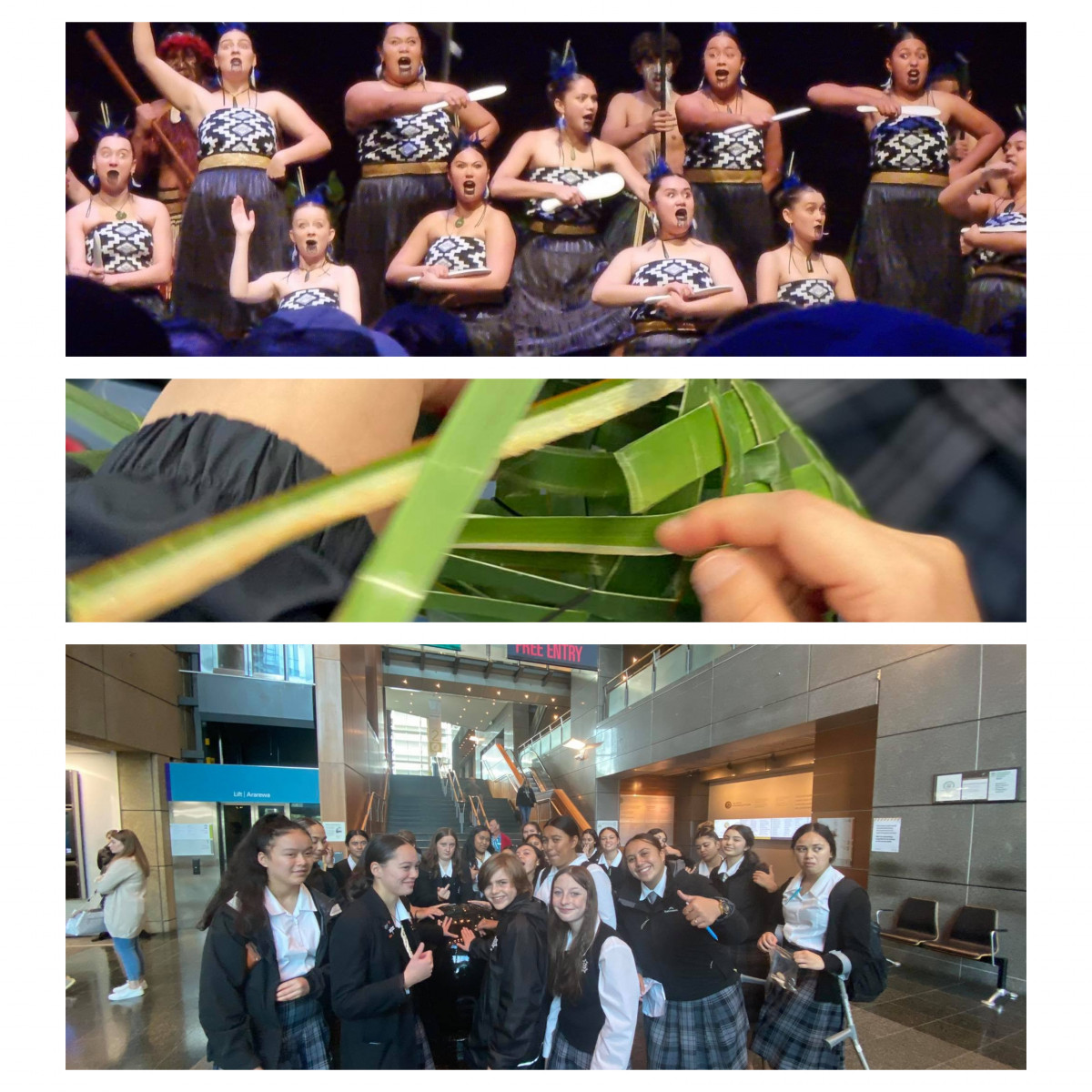
In Year 10, the focus continues on listening & speaking te reo Māori, with increased exposure to reading, writing & presenting. At the end of the course, ākonga should be able to talk about routines, habits, travel, feelings, past events, and express opinions. The Education Outside the Classroom (EOTC) aspect of Te Reo Māori, as it relates to kaupapa Māori, continues as practicable.
The course is based on the Whāinga Paetae (achievement objectives) at Levels 3 - 5 of the NZ Curriculum. If you'd like to know more about these, go to 'Useful Links' at the bottom of this page.


Year 10 Visual Art
10AP
The Year 10 Visual Arts course is designed to stimulate and excite young creative minds. Students will explore a wide variety of media and techniques intended to broaden their skill base. The course content focuses on local, cultural and topical themes. Engagement, learning technical skills and the enjoying the creative process is emphasized - not assessment. Topics may include 3D construction; self portraits; clay modelling and plaster/latex casting; printmaking; figure drawing; paint technique and mixed media collage. Visual Art is an area of study that encourages practical learning as well as academic rigour from Year 9 through to Year 13. Making Art is dependent on sequential learning, physical time and labour. All students are encouraged and supported in developing these skills and clear timelines are signposted at regular intervals.
Year 10 Visual Art Half Year
10AP2This is the half year Visual Art course
The Year 10 Visual Arts course is designed to stimulate and excite young creative minds. Students will explore a wide variety of media and techniques intended to broaden their skill base. The course content focuses on local, cultural and topical themes. Engagement, learning technical skills and the enjoying the creative process is emphasized - not assessment. Topics may include 3D construction; self portraits; clay modelling and plaster/latex casting; printmaking; figure drawing; paint technique and mixed media collage. Visual Art is an area of study that encourages practical learning as well as academic rigour from Year 9 through to Year 13. Making Art is dependent on sequential learning, physical time and labour. All students are encouraged and supported in developing these skills and clear timelines are signposted at regular intervals.
Subjects for Year 10 Students
Level 1 Atoms, genes and energy
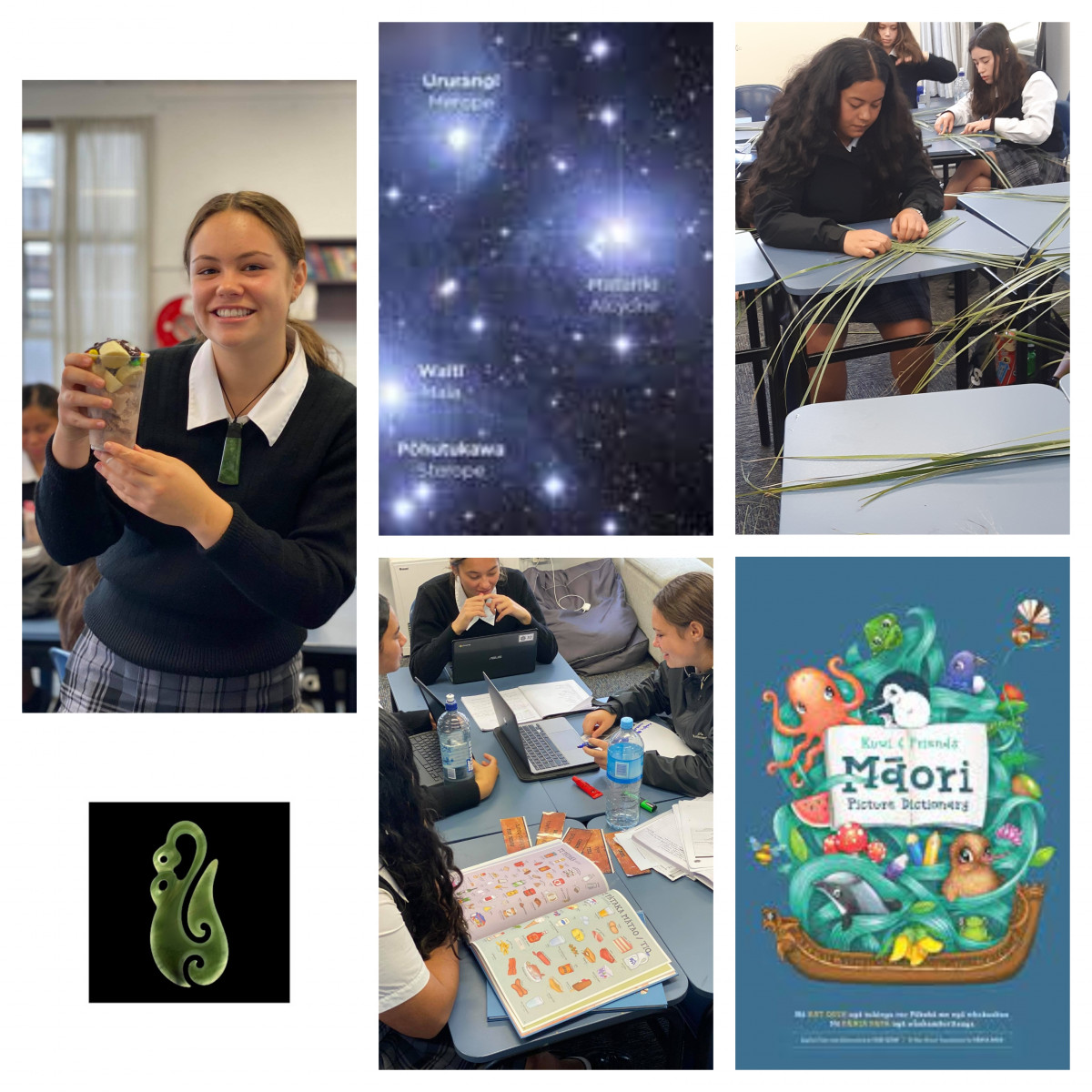
11SC1Welcome to NCEA Level 1 Science, where we'll take you on a exploration of three main topics: genetics, chemical reactions, and energy in physics! I In this course we will study 3 distinct areas of science. Firstly Chemistry, a practical hands on investigation into chemical reactions and how to recognise patterns in Chemistry. We then move to Physics and learn about the concept of energy in Mechanics, Heat and Electricity. This is an external examination. Finally we discover the world of genetics learning about how and why we have such variety in the world. This is also an external examination.
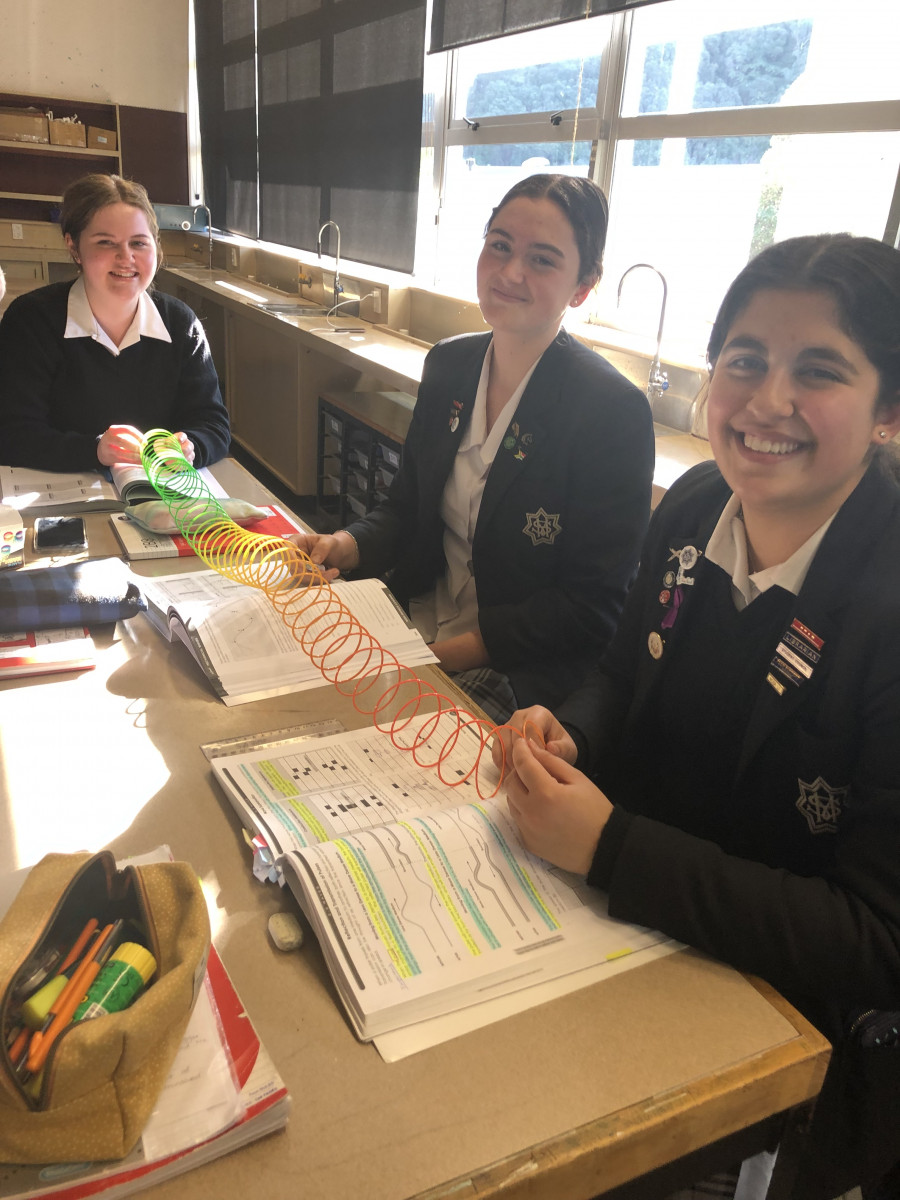
Here are some pictures of students learning in different ways to ensure they understand the content.

Level 1 Commerce
11COM
Level 1 Commerce course offers a blend of both Business and Economics, providing students with a comprehensive understanding of how the world of money operates. The core focus will be on Producer Decision-Making, Pricing Decisions, and the Interdependence of different parts of the economy.
Students considering this course should have an interest in business and the economy. They should also be comfortable with group work, graphing, and writing logical, detailed explanations.
Throughout the course, students will:
- Investigate how businesses make financial and pricing decisions.
- Analyse the impact of different factors on decision-making.
- Explore how financial relationships between organisations are affected by economic events.
- Develop a practical understanding of commerce through engaging case studies and interactive activities.
By the end of the year, students will understand key commercial principles and be able to apply them to real-world business scenarios.
Level 1 Commerce course includes the following assessments:
- Internal Assessment 1.1: Analysing and justifying a financial decision by an organisation (5 credits)
- Internal Assessment 1.2: Analysing and justifying a pricing decision by an organisation (5 credits)
- External Assessment 1.3: Interdependence: Preparation for this external assessment will involve practice essays, case study analysis, and practice exams. (5 credits)
By the end of the year, students will grasp how businesses make decisions that impact consumers and the broader economy, and they will recognise the vital interdependence between businesses and other financial entities. This course, aligned with Level 6 of the NZ Curriculum, will equip students with valuable knowledge and skills, empowering them to better understand the commercial world around them. Level 1 Commerce can be taken as either a stand-alone course or as a precursor to Level 2 and 3 Economics.
Level 1 Digital Technologies
11DTThis NCEA Level 1 course is open entry, allowing students to experience success without prior study in Year 10.
The course offers a unique opportunity to dive into the dynamic fields of Computer Science and Website Design and Development.


Learn Python – one of the most in-demand programming languages on the planet, used everywhere from Instagram to NASA. Coding is basically a superpower for the 21st century.
Learn digital design – create your own website using HTML and CSS, designing for real users as you test, improve and refine it.
Learn about interface design and user experience – Ever used an app or website and thought "why is this so hard to use?" That's usability - and you will learn what separates good design from bad design in human-computer interfaces.
Why choose Level 1 Digital Technologies?
This course aims to ignite the interest of young wāhine in digital technologies and help them discover which area aligns best with their strengths and passions.
If you enjoy solving problems creatively and want to build projects that matter.
If you're considering a career in software engineering, game development, UX/UI design, cybersecurity, or data science.
Course Overview:
2 internal Achievement Standards
1 external Achievement Standard
Level 1 Drama
11DRDrama comes under the umbrella of the Arts in the NZ Curriculum. It provides opportunity for students to gain knowledge and life-skills that will equip them for a number of career pathways.
Level 1 Drama begins the pathway for NCEA Drama through to Level 3 and Scholarship.
Students will:
* Explore how identity, culture, and perspectives are expressed through dramatic work
* Explore forms, purposes, and functions of drama
* Access Theatre Aotearoa and understand that drama is a way to explore and reflect on whakapapa
* Gain understanding of creative processes through participation in drama
* Learn to express and explore their own and others’ ideas in the creative process
* Explore collaborative creation using tikanga, whanaungatanga, manaakitanga, and akoranga
* Understand how drama components and processes are used to create drama and communicate ideas
* Understand the concepts of ihi and wehi through the experience of live drama performance
* Understand Aotearoa New Zealand as a Pacific nation and that there are Pacific theatre practices in Aotearoa New Zealand, as well as Pacific performance traditions that have travelled here.
Year 11 Drama Clowning Class
Level 1 English
11ENThis course covers the three main areas of English: written, visual and oral language. The course develops an appreciation of literature, literacy and communication skills through a range of internal and external assessment opportunities as listed below.
Your year 10 English teacher or the HOLA of English can answer any questions about what the programme might include.
Level 1 Fashion Design Technology
11FDT
This course is open entry.
- Fashion Design Technology is a hands-on, creative subject.
- You will learn about the elements and principles of design and develop knowledge about materials, techniques, and processes that can be used in your own fashion projects.
- You will develop a brief that addresses a need or opportunity, develop a conceptual design, test out design ideas, techniques, and materials, and prototype your design. You will also learn about sustainable practices and how they can be applied in fashion design.
- You will learn to evaluate and critique designs.
Involves:
- Creativity, problem solving, critical thinking, technical skills, and understanding of social, cultural, and ethical implications
Course Overview
- 2 Internals, 1 External
- 16 credits total
Level 1 Food and Nutrition Technology
11FNT


This course is open entry.
In Food and Nutrition students consider the influences on their well-being, attitudes and values, and work towards promoting the health of their community. Students will be looking at aspects of hauora, attitudes and values and the health promotion models. Issues related to ethics and health philosophies are explored, which develops critical thinking skills in students.
Involves:
- The Level 1 Food and Nutrition course is offering standards from the Health Studies strand. It combines traditional courses of Home Economics and Health Education. Students will develop a deep understanding of well-being and subsequently explore strategies to enhance their well-being and that of others, in the contexts of food, mental health. This course focuses primarily on Food and Nutrition.
Course Overview:
- 15 credits are available with the new Level 1 Health Studies Standards.

Level 1 French
11FR
Subject Overview
The course continues to develop the skills needed to understand and use everyday written and spoken French. The focus is on effective communication. Students have to be committed to learning vocabulary and language features and to preparing their internal assessments. Cultural studies focussing on French-speaking countries around the world are an integral component of the course.
As the class is smaller, we have more opportunities to do some activities outside the classroom such as going to the French Film Festival, to a cafe or even to have a Zoom meeting with classes overseas.

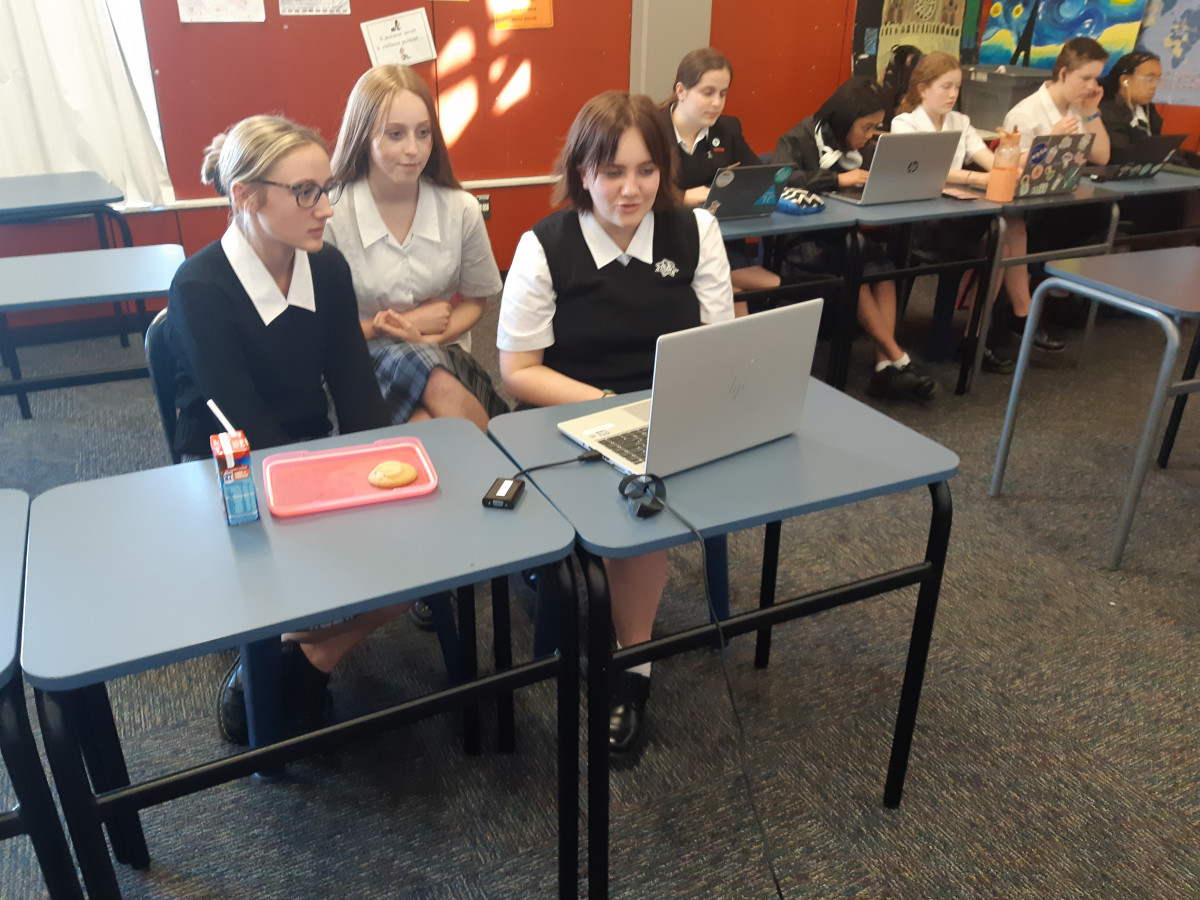
Our students on zoom with a school in Thio (New Caledonia)

Level 1 History
11HIRecognising that the world we live in today has been shaped by the past.
History is all about people - their thoughts, actions and impacts.

To unpack historical events, you will be introduced to key historical concepts including significance, perspectives, mana, continuity and change, cause and consequence.
Level 1 Japanese
11JP十一年生 日本語
Year 11 Japanese


Level 1 Mathematics - Modelling Problems in Aotearoa
11MMPThis course focuses on modelling practical problems in Aotearoa New Zealand using statistical, algebraic, and graphical methods. It is best suited to students who enjoy working with algebraic concepts and plan to take senior algebra mathematics.
Completing this course allows you to specialise in Level 2 Mathematics with Algebra, Level 2 Mathematics and Statistics, or both in Year 12.
This course is best suited to students who have strong algebra skills and feel confident in Year 10 Mathematics, particularly in Algebra and Number. If you are not currently at the level but are keen to pursue this area, please have a conversation with your teacher and HOLA.
Level 1 Mathematics - Solving Problems in Aotearoa
11MSPThis course focuses on evaluating and interpreting statistics and probabilities, as well as applying mathematical processes to solve practical problems in Aotearoa contexts. This course turns numbers and data into practical tools for everyday life - without the focus on theoretical algebra. You will work with real-world data to make evidence-based decisions, solve practical problems, and apply core concepts across spatial, visual, and statistical maths.
This course is ideal for students who are keen to study mathematics and statistics, but do not enjoy algebra.
This course builds essential, practical skills for everyday life and prepares you for the Level 2 Mathematics and Statistics course (12MS) in Year 12.
Level 1 Music
11MU

Year 11 Music is a course which offers plenty of variety and helps students develop a range of future focused skills.
Music offers a range of rich learning opportunities which provide students with the opportunity to explore their own musical style. Confidence and working with others are key, along with resilience, perseverance, presentation skills, creativity, technology, analysis and research.
Four achievement standards will be offered and students will elect to work towards 3 or 4 of these standards.
PRACTICAL - All students will focus on developing their instrumental skills. This might also be voice! We have some amazing tutors who are really experienced at enhancing progress! Everyone will also work in a group. This might be a band, a duet, a chamber group, a vocal ensemble or cultural group. Lots of students say this is their favourite aspect. They love seeing how they improve during the year and how the group learns to work together. They also love having more input into what kind of pieces they learn or study about. They also learn to create music and they have control over what genre they want to work on. Groups usually pick the songs or pieces they work on themselves - it isn't just teacher choice.
MUSIC TECHNOLOGY - Students will learn about different types of online music technology.
MAKING MUSIC - Students will learn more about creating music in a variety of contexts - digital, notation based and acoustic.
MUSIC KNOWLEDGE - is developed by looking at the history, context, background and genre of two contrasting pieces.
So do I need to be able to read music or play music at an advanced level?
Students do not need to be able to read music to take this class. Some students will use notation, others will work with digital or tab notation. Playing by ear is also now a valuable skill in the NCEA standards.
Students DO NOT have to be an advanced musician. This course gives space to the students to learn and develop their musical skills - we have tutors who support you to become a more confident musician. Loving music and knowing what you enjoy listening to are just as important.

What skills do you learn in Music?
We are always working on developing our instrumental/voice skills. Learning an instrument teaches you to develop practice skills along with self discipline and confidence. Working in a performance group teaches you how to work in a team and builds your self confidence when working with others. Music knowledge extends your research and analytical skills. Composition extends your creative thinking and lets you express your own musical ideas. Performing for others develops your resilience and confidence, and allows you to understand your own performance capability in a supportive environment.
Great preparation for job interviews, driving tests and presentations!


Level 1 Nature of Science
11SC2Welcome to NCEA Level 1 Nature of Science, This course allows you to study Chemistry, Biology and a Research project. This course is all internal assessments. Studying this course will allow you to move to Level 2 General Science and Level 2 Biology or Chemistry if you meet the grade requirements.
Throughout this course you will complete practical work including looking at how microorganisms are used in health and food production. We will look at making kombucha and yoghurt as you investigate what affects the life cycle of bacteria. In Chemistry you will study different types of chemical reactions and create a portfolio to demonstrate your understanding of each reaction. Finally we will look at a modern issue in New Zealand that has differing viewpoints and how we use science to help inform our decisions.
This course consists of three internal standards
This course leads onto Level 2 General Science and Level 2 Chemistry and Biology
Level 1 Physical Education
11PELevel 1 Physical Education is split into practical and theory lessons. The course covers a range of topics including:
1. Identifying and developing execution of strategies which enhance performance.
2. Students will explore human anatomy, exercise physiology and biomechanics.
3. Students will look at the concept of kotahitanga and strategies they can apply to enhance kotahitanga within a practical context.
4. Students will explore how their wellbeing is influenced by physical activities.
The course has a strong focus on building effective leadership, communication and teamwork skills which are essential life skills. It incorporates a range of EOTC experiences.
Students have the opportunity to gain 20 Level 1 achievement standard credits. 10 Credits are internally assessed and 10 are externally assessed. They also have the opportunity to gain course endorsement with merit or excellence in this subject. To gain an excellence endorsement, students need to gain 14 or more credits at excellence level. To gain a merit endorsement, they need to gain 14 or more credits at merit (or a combination of merit and excellence).
Individual teachers will also give students access to their own google classroom site. This is a safe digital environment for student learning that enables students to view assessments, ask online questions about work and allows students to catch up on any work/resources that are missed if absent. It also allows research resources to be posted by both students and teacher encouraging collaborative learning.


Level 1 Religious Education
11RSThe Religious Education curriculum focuses on both faith formation and knowledge. Students will develop skills like reading comprehension, written expression, research skills and decision making.
Topics in Religious Education at this level include the history of the Church in Aotearoa, ethical perspectives across religions and the origins and meaning of the Gospels.
Level 1 Samoan
11SAThis course is working towards NCEA level 1. Students will consolidate their knowledge about the culture and the language to be able to communicate in Samoan related to everyday contexts.
20 Credits
1.1 Interact in spoken Gagana Sāmoa to share and respond to information, ideas, and opinions. Internal, 5 Credits.
1.2 Communicate in Gagana Sāmoa in relation to a cultural context. Internal, 5 Credits.
1.3 Demonstrate understanding of written Gagana Sāmoa related to everyday contexts. External, 5 Credits.
1.4 Demonstrate understanding of spoken Gagana Sāmoa related to everyday contexts. External, 5 Credits.
Level 1 Te Reo Māori
11TRM
Te Reo o Tōna Ao is the focus of NCEA Level 1. Ākonga (students) are listening, presenting, reading, speaking, and writing formally and informally, and about situations that are familiar to them. The course is based on the Whāinga Paetae (achievement objectives) at Level 6 of the NZ Curriculum - go to 'Useful Links' at the bottom of this page for more information.
Ākonga will select three of the five achievement standards on offer, including Kōrero which is compulsory. An additional standard will be offered to ākonga requiring extension. Focusing on three standards across the year will ensure ākonga gain depth in their learning as well as maintaining their well-being across their full academic and co-curricular workload.

Te Reo Māori students have the opportunity to lead the school pōwhiri as well as organising the catering for school events. They become the leaders of Te Ao Māori of the kura.

Te Reo Māori class are often exploring different learning area such as this year, Akonga had the opportunity to perform in the Drama production Waiora.

This course is very student led as akonga choose their topic and content of assessment in relation to Te Ao Māori.
Level 1 Visual Art
11AP

Mixed Media observational studies by Level One students 2025
The thematic content of the year's exploration changes each year to make it meaningful and relevant to the cohort coming in. The 3 term course includes: one visual research internal, one external practical workbook of technical skills and one external folio panel of resolved art works. Skills developed during the Level 1 course will be applied to exploration, experimentation, the generation of work, development of ideas and technical control of media. Focus on exploration and experimentation is a feature of the new NCEA changes to facilitate authentic learning. There is no longer such a big emphasis on the production of finished art works.
Subjects for Year 11 Students
Health
12HELevel 2 Health Education focuses on analysing health issues, promoting well-being and developing skills for health promotion. Students will explore adolescent health issues like stress, social media and relationships. They will also take action to improve well-being in their school or community. Students will learn about resilience, managing difficult times and developing strategies to enhance their mental health. This course will also help students develop skills in critical thinking and research.
Students will produce a written report on a resilient role model, identifying risk and protective factors that influence their resilience.
Students will focus on health promotion but taking action to enhance wellbeing within the school community or wider community.
Students will analyse issues related to gender and sexuality eg how the media impacts gender stereotypes etc and develop strategies to address these issues.
The external assessment focuses on an adolescent health issue eg stress management, drug or alcohol use/misuse. Students are required to analyse how it impacts wellbeing and identify health enhancing strategies to promote wellbeing in relation to this issue.
Level 2 Biology
12BIWelcome to NCEA Level 2 Biology, an exciting exploration of the living world and its fundamental processes! This course builds upon your Level 1 knowledge, taking you deeper into the realms of cell biology, genetics and gene expression. Explore the fascinating structures and functions of cells, understand the principles of inheritance and genetic variation, and discover the interactions between organisms and their environments. Engage in hands-on experiments that will enhance your scientific skills and critical thinking abilities. This course offers a learning experience that will broaden your understanding of living systems, setting a solid foundation for further studies in biology and related fields. Get ready to embark on this thrilling journey of discovery and uncover the wonders of the natural world!
This course underpins the majority of knowledge you require at university for health sciences or medicine.
Level 2 Chemistry
12CHThis course helps students to develop an understanding and use of central concepts and patterns in Chemistry, and the carrying out of qualitative investigations. Students will learn to apply their knowledge of chemistry to explain aspects of the natural world and how chemistry is used in society to meet needs, resolve issues, and develop new technologies.
The course includes 2 internal assessments:
- Oxidation-reduction reactions - carrying out and explaining these types of reactions.
- Quantitative chemistry - carrying out a titration to analyse the concentration of a chemical in a consumer product.
You will also have 3 external examinations:
- Structure, bonding and energy changes – explain how the structure and bonding within a solid give it specific properties. Calculate the energy changes involved in different reactions.
- Organic Chemistry – learn about the functional groups of key organic molecules and how to convert one to another.
- Chemical reactivity – explain equilibrium reactions and how they can be manipulated to increase production. Investigate acid-base reactions and learn to calculate pH and ion concentrations. Explore ways to increase the rate of different reactions.
Level 2 Classical Studies
12CSWant to understand the world we live in? Let's go back to where it all began. This course is your deep dive into the incredible civilisations of ancient Rome and Greece. We'll move beyond the facts and dates to uncover the timeless ideas, values, and stories that still influence our society today. Get ready to explore the secrets of their art, literature, and history.
This course is a great fit for students with strong reading and writing skills who enjoy exploring complex ideas.
This course focuses on the art and architecture, literature and historical events of both ancient Rome and Greece. Topics we will be studying include:
- Art History: Step into the past with a look at the stunning art and architecture preserved in Pompeii and Herculaneum. We'll examine vibrant frescoes and intricate mosaics to understand life in a Roman city on the eve of a catastrophic event.a selection of art from Pompeii and Herculaneum.
- Significant Events: The Eruption of Vesuvius - this is more than a historical event; it's a powerful story of human experience. We'll explore the immediate aftermath of this natural disaster and its lasting impact.
- Greek and Roman mythology: We'll explore how these myths gave meaning to the ancient world and continue to inspire modern storytelling.
- Literature: Homeric epic or Greek tragedy - You'll engage with some of the most influential literature ever written. We'll either journey through the heroic adventures of a Homeric epic or grapple with the powerful emotions and deep questions of Greek tragedy.
Level 2 Digital Technologies
12DTThis Level 2 course is open entry allowing you to experience success without prior study in Year 11.


Digital technologies impact on every aspect of our lives. In this course wāhine will build their digital literacy and skills to help them to participate in this rapidly changing and exciting field. Careers in computer-based fields are among the fastest-growing and highest-paid in New Zealand.
Learning:
- Build on your Python skills, using one of the world's most popular programming languages to create more advanced and exciting programs. Python is known for being easy to read and write, and is widely used by developers in industry.
- Learn digital design creating your own website using HTML and CSS, designing for a real client as you test, improve and refine it.
- Learn about User Experience (UX) principles, design thinking, and industry-standard practices to design effective digital solutions.
- Apply Agile software development methods, using version control and project management tools such as Trello to organise work and meet deadlines.
Course Overview:
- 3 Internals, 1 External
- 18 credits total
Level 2 Drama
12DRIn Year 12 Drama Students will:
- Further develop skills in research and the ability to critically evaluate and refine ideas to develop drama in specific dramatic forms.
- Explore the purposes of production, performance, and technologies of drama in a range of contexts
- Develop skills in devising and scripted work, making purposeful decisions about the use of drama techniques, conventions, elements and technologies
- Rehearse and perform works in a range of dramatic forms
- Respond to and make critical judgements about rehearsal processes and performances.
- Discuss and evaluate the use of drama techniques, conventions, and technologies to communicate a social or political issue through a particular theatre form in their own work and in the work of their peers.

Level 2 Economics
12EC
Economics at NCEA Level 2 examines how the economy works as a whole (macroeconomics). This course aims to give students an understanding of the economic forces that underlie major social and political issues, and equip students to make informed decisions as a worker, consumer, taxpayer and voter. It will give students an understanding of interest rates, exchange rates, employment and a grounding in key financial literacy concepts.
Throughout the year, students will develop an understanding of:
Economic Growth: What influences the levels of growth in an economy and its impact on our living standards. (external)
Employment/Unemployment: The key influences on the labour market and the social and economic effects of unemployment. (internal)
Inflation: How and why the purchasing power of money changes over time. (external)
Government Policy: How government policies and contemporary economic issues interact (internal)
By the end of this course, students will understand how different sectors of the economy are interdependent and be able to explain how changes affecting one sector flow on to influence the growth and performance of others. They will also be equipped to explain the causes and effects of unemployment and inflation, and analyse the impact of government policy on current economic issues.
A strong foundation in Economics opens diverse doors for students, whether pursuing further education or entering the workforce. The analytical, problem-solving, and critical thinking skills involved in this course are highly valued across many sectors. Students can pursue tertiary study in Economics or related fields like Finance, Data Science, and Public Policy, leading to careers as policy analysts, financial advisors, data scientists, economists in government or industry, or various roles in business, consulting, and research both in New Zealand and internationally.
Level 2 English
12ENThis course covers the three main areas of English: written, visual and oral language. The course follows on from NCEA Level 1 and aims to further develop students' skills of analysis by exploring our place in the world through a range of texts including novels, plays, poetry, short stories and visual texts, while also improving and honing creative and transactional writing skills.
It delivers the standards for the literacy requirement for University Entrance.
Level 2 Fashion Design Technology
12FDT
This course is open entry.
- Fashion Design Technology is a hands-on, creative subject.
- You will learn about the elements and principles of design and develop knowledge about materials, techniques, and processes that can be used in your own fashion projects. You will learn to evaluate and critique designs.
- You will develop a brief that addresses a need or opportunity, develop a conceptual design, test out design ideas, techniques, and materials, and prototype your design. You will also learn about sustainable practices and how they can be applied in fashion design.
Involves:
Creativity, problem solving, critical thinking, technical skills, and understanding of social, cultural, and ethical implications.
Course Overview:
- 2 Internals, 1 External
- 16 credits total
Level 2 Food and Nutrition Technology
12FNT


Navigating the complex food environment of the 21st century is the focus of this course.
This course is open entry.
Involves:
- A lifestyle that needs to adapt to a nutritional issue.
- The student needs to comprehensively analyse beliefs, attitudes and practices related to a nutritional issue for families in New Zealand.
- Undertaking effective development to make and trial a prototype.
- Design a celebratory dish specifically for their whanau’s needs. This involves product and food design, nutritional knowledge and creative problem solving skills. Also transforming, manipulating, or combining materials to help you make selections as you develop an outcome.
Course Overview:
- Internals 16 credits
- External 4 credits
- Total of 20 credits
Level 2 French
12FR
Subject Overview Level 2
The course continues to develop the skills needed to understand and use everyday written and spoken French. The focus is on communication in less familiar contexts. Students have to be committed to learning vocabulary and language features and to preparing their internal assessments. Cultural studies (including analyzing French songs) are an integral component of the course.
The topics in level 2 are more focused on community and what’s happening in French society. Our typical themes include: My Future, Study and Jobs, Friends, Technology and Social Media; the Environment; Paris, the French cinema; some French History, French Arts; a Film study, relevant French current events, and other topics that interest the class.

Level 2 General Science
12SCThis course allows students who took Level 1 General Science OR Level 1 Senior Science to continue exploring science ideas. For those students who did not take science in Year 11, entry is at the discretion of the Head of Science, but this may be the course for you.
This is an internally assessed course with no external examination at the end of the year. All assessments are completed in class time.
The list of achievement standards offered below reflect the possible assessment opportunities, but not all will be offered.
A minimum of 14 credits are offered from the Biology, Chemistry, Physics and Earth & Space Science strands, but more may be offered (up to a maximum of 20 credits) depending on the class. Assessments and topics can be tailored to meet the needs of the class (e.g. have more of a health focus). Some of these standards will also provide Literacy and Numeracy credits at Level 2.
Level 2 History
12HIUnderstanding the past helps us understand the world we live in today.
Our Year 12 History course is based on the theme Responding to Challenge - how political and social turmoil has shaped our world.
Level 2 Japanese
12JP The course continues to develop the skills needed to understand and use every day written and spoken Japanese. The course is being able to communicate effectively in less familiar contexts. Students have to be committed to learning vocabulary and language features, and to preparing their portfolios for internal assessments. Cultural studies are integrated into the course. All standards are at Level 2.
The topics covered in level 2 are broader than in level 1. We will do a lot of comparisons between Aotearoa culture and Japanese culture.

Level 2 Mathematics
12MATThis course is designed for students who want to build a deep understanding of algebra and mathematical relationships. The emphasis is on acquiring core concepts and skills and using them to solve complex problems. 12MAT requires a solid foundation in algebraic skills and provides a direct pathway to all Level 3 Mathematics courses (Calculus and Statistics).
Level 2 Mathematics and Statistics
12MS12MS focuses on understanding data, chance, and practical mathematical problem-solving. Students will explore statistical inference, run computer simulations, calculate probabilities, and investigate networks, alongside practical mathematics like trigonometry. The focus is on building useful skills to analyse real-world situations and make sense of information. This course provides a direct pathway into Level 3 Statistics (13MS).
Level 2 Music
12MULevel 2 Music is a great course. All students work towards improving their musical confidence on an instrument or voice (alongside our amazing tutors) and working as part of a performance group. They also complete a research project on something they love in NZ Music - this could be an artist, a genre, a competition or an event/organisation. Feedback is that they love having choice to learn more about something they love.
After this students need at least one more standard but they have a wide range of options depending on their strengths/interests and aspirations. These include:
- studying a second instrument.
- composing or songwriting.
- music theory.
- learning more about context/genre and the elements of two pieces of music.
- arranging music for an ensemble.
All students will work on a programme of between 17 - 26 credits. Students will select a programme with HOLA Music which works towards their own strengths and allows for both development as a musician and future focused skills which relate to any career pathway. Students enjoy being able to select standards that they find relevant as an individual. They enjoy being able to select their own pieces to learn and topics to study. They really enjoy working with others in a performance group - some enter competitions or work towards performances at different events. All students in Music develop in confidence during the year and appreciate the cohesive environment in the music classes.

What skills do you learn in Music?
We are always working on developing our instrumental/voice skills. Learning an instrument teaches you to develop practice skills along with self discipline and confidence. Working in a performance group teaches you how to work in a team and builds your self confidence when working with others. Music knowledge extends your research and analytical skills. Composition extends your creative thinking and lets you express your own musical ideas. Performing for others develops your resilience and confidence, and allows you to understand your own performance capability in a supportive environment.
Great preparation for job interviews, driving tests and presentations!

Students will develop skills in key areas of creativity, research, working with others and confidence in front of an audience, and must be taking instrumental or vocal lessons through the school itinerant music programme or with an instrumental tutor outside of school.

All students will complete solo and group performance standards, and will have the option to work towards events such as the Chamber Music festival, Rockquest, Pasifica Beats or school events for their group performance assessments. Students will also investigate an aspect of NZ Music in which they are particularly interested.
Level 2 Pathways
12PATOption 1: Te Kura
Students can choose a subject or course that is not taught at SMC. These courses are delivered online. Have a look at the list provided below. Te Kura students need to be self-motivated independent learners and should be able to provide a clear reason for wanting to take the online subject . If you select this option, your current teachers and parents/caregivers will be contacted to ensure that online learning will be a good fit for you.
Option 2: Gateway / Courses
This subject is ideal for students who enjoy working at their own pace, are interested in exploring pathways beyond school and who want a flexible subject that supports them to learn. It offers Level 2 credits through a mix of three components: classroom based learning, work placements and short courses. The classroom based component focuses on job preparation standards such as career planning and CV writing. The work placement component involves gaining credits whilst working on the job (Gateway). Examples of Gateway placements St Mary's students have undertaken in recent years are: early childhood education, hairdressing, mechanic, carpentry, aged care, rehabilitation assistant, retail (Woolworths, Mitre10), hospitality, tourism (Te Papa). You attend a placement one school day a week for five to ten weeks. The short courses component offers opportunities to attend short, skills based, courses run by outside providers both in and out of school.
Option 3: Wellington Trades Academy
A range of courses delivered through Whitireia/Weltec. The student is committed to study at Whitireia/Weltec for 1 or 2 days a week for the whole year. This is an awesome option but due to the time spent out of school, students need to be quite sure that the course they are selecting is an area they would seriously consider further study or a career in. Check out the course options here:
Wellington Trades Academy Website
More information on each of the above options can be found here
If you select Pathways as an option please state which of the three options above you are interested in and specifically explain what you would like to do
E.g. Option One, Te Kura. I would like to study Level Two Media Studies. - OR - Option Two, Gateway/Courses. I would like to do a work placement in a cafe.

Level 2 Physical Education
12PELevel 2 Physical Education will provide students with the opportunity to build on their understanding of sports science such as functional anatomy, exercise physiology and sports psychology. Understanding these biophysical principles will help students self-assess and examine ways to improve performance for themselves and others.
Students will also have an opportunity to develop their coaching and leadership skills as they are required to plan and carry out sessions with our local primary school.
There is also an overnight outdoor education opportunity for students to learn about risks associated with rafting and how to manage them.
Students will also learn about sociological factors that influence our physical activity experiences and develop their understanding of the importance of social responsibility within sport.
Students have the opportunity to gain up to 22 Level 2 achievement standard credits, all of which are internally assessed. They also have the opportunity to gain course endorsement with merit or excellence in this subject. To gain an excellence endorsement, students need to gain 14 or more credits at excellence level. To gain a merit endorsement, they need to gain 14 or more credits at merit (or a combination of merit and excellence).
Individual teachers will also give students access to their own google classroom site. This is a safe digital environment for student learning that enables students to view assessments, ask online questions about work and allows students to catch up on any work/resources that are missed if absent. It also allows research resources to be posted by both students and teacher encouraging collaborative learning.

Level 2 Physics
12PHWhy is the sky blue? How long is a second? Why is Rutherford's face on the $100 note? In Year 12 Physics you will find out the answer to these questions and more!
This course aims to give students an understanding of and the ability to use concepts, principles, and models in Physics to explain physical phenomena, systems, and devices.
Topics include wave systems, mechanics, and electricity, and electromagnetism. Students will also develop their practical investigative skills and understanding of the application of concepts covered.
Level 2 Religious Education
12RSThe Tō Tа̄tou Whakapono Religious Education Curriculum is followed. Year 12 students are challenged to build on their previous knowledge and to understand more deeply the teachings of the Catholic Church. Various topical issues are covered including social justice, world religions, loss, grief & dying and marriage.
Level 2 Samoan
12SAThe course continues to develop the skills needed to understand and use every day written and spoken Gagana Samoan. The course is being able to communicate effectively in less familiar contexts. Students have to be committed to learning vocabulary and language features, and to preparing their portfolios for internal assessments. Cultural studies are integrated into the course. All standards are at Level 2. (level 7 of the curriculum)
Level 2 Te Reo Māori
12TRM
Te Reo o Te Ao Torotoro is the focus of NCEA Level 2. Ākonga (students) are listening, presenting, reading, speaking, and writing in formal and informal situations about traditional and contemporary issues, that impact the community and the nation. Supported by their own research, ākonga are expressing their ideas and opinions, supported by evidence, on familiar and unfamiliar issues. The course is based on the Whāinga Paetae (achievement objectives) at Level 7 of the NZ Curriculum - go to 'Useful Links' at the bottom of this page for more information.
Level 2 Visual Art
12APVisual Art at this level is designed specifically to prepare students for independent but guided study at Level 3 NCEA. The course offers students a balance between a structured programme as well as individual expression through the practice of art making. Students generate ideas, develop ideas into paintings using artist models then regenerate and synthesise ideas to create a body of work.

Surreal Collage into Painting Level Two
At Level 2 all students start the year with two internals and a clear structure to scaffold new learning. These two internals introduce the use of Artist Model Conventions to inform new work and how to create a sequence of related artworks. At the completion of these, students have a variety of options to assist with the regeneration of new work which will be submitted on their external portfolio. Freedom of choice and encouragement to follow own strengths is desirable at this point.
At all times students are exposed to new ideas, new ways of doing things and encouraged to take risks and try something new. Authentic Learning is at the heart of all we do.
Subjects for Year 12 Students
Health
13HEL3 Health is often essential for ākonga intending to continue with Health Education courses at tertiary institutions. In L3 Health Education ākonga explore a New Zealand and an international health issue, evaluate health practices (Western Scientific treatments vs traditional) and analyse an ethical issue. This course includes three internally assessed standards and one external standard.
The following Units of work are covered:
AS3.1 - (Internal) Produce a report that involves applying a critical perspective to a New Zealand health issue through:
• explaining the nature of the health issue in New Zealand and its implications for the well-being of people and society
• explaining how the major factors influence the health issue
AS3.3 - (Internal) Produce a report that involves applying a critical perspective and evidence-based consideration of health practices through:
• explaining the procedures involved in each practice, the underpinning philosophy or knowledge foundation of each practice in relation to Western scientific medicine (WSM), complementary and alternative medicine (CAM) and/or traditional medicine (TM)
• explaining significant advantages and disadvantages of each practice in relation to the concept of hauora.
AS 3.4 - (Internal) Produce a report that involves providing a critical account of the ethical issue through:
• explaining the differing and opposing perspectives on the issue, and the reasons for these different perspectives
• explaining the implications of current related health practices for the well-being of those directly affected by the issue, others associated with those people, and the well-being of people and society.
3.2 - (External) Produce a report that involves applying a critical perspective to an international health issue through:
• explaining the nature of the international health issue and its implications on the well-being of people and society
• explaining how the major determinants of health influence the issue
• recommending strategies to bring about more equitable outcomes in relation to the health issue.
Level 3 Biology
13BIWelcome to NCEA Level 3 Biology, an inspiring and in-depth exploration of the living world and its complexities! Building upon your Level 2 knowledge, this course takes you on a fascinating journey which includes homeostasis, in particular, what glucose regulation in humans looks like, human evolution, how plants and animals survive and adapt to their environment, and how and why animals behave. Engage in hands-on experiments, fieldwork - trips to the zoo, and data analysis to develop your scientific inquiry skills. NCEA Level 3 Biology will broaden your understanding of life on Earth and its interconnections, preparing you for further studies in biological sciences and providing a deeper appreciation for the wonders of life. Get ready to embark on this captivating journey and unlock the secrets of the living world!

Level 3 Chemistry
13CHThis course is for students who want to know more about how the world around us works at a particle level. You will learn about the structure of different types of substances, how to calculate the energy involved in a chemical reaction, and complete practicals to apply your new skills in quantitative analysis. This course builds directly on Level 2 Chemistry and is a must for students who intend to study disciplines such as health science, physiology, or chemical engineering that include future study of chemistry.
.
The course includes 3 internal assessments:
- Oxidation-reduction reactions - carrying out and explaining these types of reactions in the context of batteries and electrolysis.
- Spectroscopy - learn to interpret spectra to identify key parts of the structure of a molecule.
- Chemical processes - learn about a chemical process and its benefits and problems it causes to society and the environment.
As well as 2 external examinations:
- Particles and Thermochemistry - this builds on the Level 2 Structure and Bonding topic and covers Enthalpy changes, entropy, spontaneity, atomic structure, and intermolecular forces.
- Organic Chemistry - this builds on the Level 2 Organic Chemistry topic and covers structure, properties, reactions, and functional groups of carbon compounds.

Level 3 Classical Studies
13CSEver wonder where the ideas behind our democracy, our stories, and even our buildings come from? They're all shaped by the ancient world! Classical Studies is your chance to dive deep into the very foundations of modern society. We'll explore the rich civilisations of Greece and Rome, using their art, architecture, and literature as a guide to understand the enduring ideas and values that still influence us. This course is a great fit for students with strong reading and writing skills who are curious about the world around them.
Topics we will be studying:
- Art History - a selection of Roman art, architecture and sculpture. Greek vases
- Greek comedy
- Roman epic


Level 3 Digital Technologies
13DTThis Level 3 course is open entry, allowing you to experience success without prior study in Year 12.


Level 3 Digital Technologies offers a unique opportunity to work with front and back-end web design, run your own server, create a database and use project management tools.
What you will learn:
- Develop both the front and back end of a website, using XAMPP to run the website and database on a local webserver.
- Develop skills in HTML, CSS, PHP and MySQL database systems.
- Gain an insight into Agile project management methodology and tools such as Trello to manage workload and meet deadlines.
- This course aims to ignite students’ interest in digital technology and help them identify which area aligns best with their skills and interests.
Careers in computer-based fields are among the fastest growing and highest paid in New Zealand.
Assessments:
- 3 Internals - 16 credits
- 1 External - 3 credits
- 19 credits total
Level 3 Drama
13DRIn Year 13 Drama students will:
- Research, analyse, and critically evaluate how drama, including New Zealand drama, interprets, records, or challenges social and cultural discourse.
- Research, analyse, and integrate elements, techniques, conventions, and technologies in dramatic forms for specific purposes.
- Analyse, rehearse, and perform works in a range of dramatic forms, assuming a variety of artistic and technical responsibilities.
- Reflect on and critically evaluate a wide range of works and performances.
- Research, critically evaluate, and refine ideas to create original drama work.
The Year 13 production requires considerable extra commitment from students. They should be prepared to commit a minimum of two weekends and three evenings for performance.

Level 3 Economics
13EC

Level 3 Economics provides students with an exploration of micro-economic concepts, focusing on the behaviour of individuals and firms. This year, students will also examine government interventions and policy to correct market failure, the importance and efficiency of market equilibrium, and the characteristics of different market structures.
By the end of this course, students will:
- Understand key micro-economic concepts and confidently use them to explain and predict the behaviour of individuals and firms.
- Explain 'market failure' and critically evaluate the policy options available to the government for intervention.
- Explain how markets achieve equilibrium and analyse how changes affect market equilibrium, efficiency, and participants.
- Describe and predict the effects that different market structures have on the business decisions, efficiency, and profitability of firms operating within those markets.
This course covers the following NCEA Achievement Standards which amount to 14 credits:
- 91401 (3.3) Internal: Demonstrate understanding of micro-economic concepts (5 credits)
- 91402 (3.4) Internal: Demonstrate understanding of government interventions to correct market failures (5 credits)
- 91399 (3.1) External: Demonstrate understanding of the efficiency of market equilibrium (4 credits)
Level 3 Economics is an approved subject for University Entrance. It provides students with highly transferable analytical, problem-solving, and critical thinking skills, opening doors to diverse career and study opportunities. It naturally leads into higher-level Economics at university, but also complements studies in Finance, Data Science, Political Science, and Law. Graduates with an economics background are highly sought after in fields such as policy analysis, financial services, data analysis, business consulting, and research, equipping them to understand complex challenges in a changing world.

Level 3 English
13ENFollowing on from Level 2, this course allows students to develop their critical thinking by exploring a range of literature. Students will study a range of different texts, responding critically to these and looking at how to make sophisticated arguments and how the texts create meaning in our world. They will also write in a range of creative styles, exploring how language is used for a particular purpose and audience. This course has a maximum of 21 credits.
Please speak to your English teacher or the HOLA English for advice around taking English at Level 3.
Level 3 Fashion Design Technology
13FDT
This course is open entry.
- Fashion Design Technology is a hands-on, creative subject.
- You will learn about the elements and principles of design and develop knowledge about materials, techniques, and processes that can be used in your own fashion projects.
- You will develop a brief that addresses a need or opportunity, develop a conceptual design, test out design ideas, techniques, and materials, and prototype your design. You will also learn about sustainable practices and how they can be applied in fashion design.
- You will learn to evaluate and critique designs.
Involves:
- Creativity, problem solving, critical thinking, technical skills, and understanding of social, cultural, and ethical implications
Course Overview:
- 3 Internals, 1 External
- 20 credits total
Level 3 French
13FR
This course develops the skills needed to understand and use French in both familiar and less familiar written and spoken French. There is a strong emphasis on exploring society and being able to communicate in unfamiliar contexts.
Students have to be committed to learning vocabulary and language features and to preparing their internal assessments. Cultural studies (including analysing French songs) are an integral component of the course.
The topics in level 3 are more focused on my future and what’s happening and has happened in French society around the world.
There is a possibility to sit the DELF exam (French international exam) allowing you to skip some papers at university and to gain UE in France.
Every year some students carry on learning French at University successfully.
There is a possibility to pass the DELF exam (French international exam) allowing to skip some papers at university and gain UE in France.
Level 3 General Science
13SCThis is the perfect course if you want to keep up with your science but really do not want to specialise in one particular area.
This is an internally assessed course with no external examination at the end of the year. The list of achievement standards offered below reflects the range of assessment opportunities. A minimum of 14 credits are offered from the Biology, Chemistry, Physics, and Earth & Space Science strands, but more may be offered (up to a maximum of 20 credits) depending on the class.
Assessments and topics can be tailored to meet the needs and interests of the class. This is an approved subject for University entrance.
Level 3 History
13HICourse of Study
Learning about the past helps us understand the world we live in today.
We offer a broad course in Level 3, catering to students' specific areas of interest.


Level 3 Japanese
13JPThe course continues to develop the skills needed to understand and use everyday written and spoken Japanese. The focus is being able to communicate in unfamiliar contexts. Students have to be committed to learning vocabulary and language features, and to preparing their portfolios for internal assessment. Cultural studies are integrated into the course.

This course explores more complex topics in the context of Japan. Students will be expected to continue to maintain a regular practice of vocabulary and Kanji where appropriate.
Level 3 Mathematics with Calculus
13MCThis course is centred on the further development of calculus, algebra, and their applications. It is designed for students who enjoy mathematical thinking and want to build a strong foundation for higher-level studies. This course should be a first choice for you if you are planning to pursue tertiary study in mathematics, physical sciences, engineering, or computer science. You will develop key skills in abstract thinking and problem-solving, exploring practical applications where appropriate to help prepare you for university-level study.
Level 3 Mathematics with Statistics
13MSThis course focuses on practical statistics and probability. It requires a good balance of numeracy and literacy skills, as writing detailed explanations and analysing data in context are key parts of the learning. Statistical thinking is useful in daily life and across almost every tertiary field. It is valuable for university pathways in Commerce, Psychology, Health Sciences and Biology. You will apply statistical methods to real-world contexts, building analytical skills that support other NCEA subjects. This course provides a solid foundation for data analysis and critical thinking needed for future studies.
Optional extra - Probability distributions - Scholarship
Level 3 Media Studies
13MDDo you have a point of view about the world that you think others should hear? Was film study your favourite part of English? Are you interested in critiquing the representation of various groups across advertising, film, social media, and beyond? Media Studies might be the course for you!
We will analyse how media communicates messages and shapes stereotypes, learn the codes and conventions that create and uphold genres, examine changing media industries (including social media, AI, gaming, and advertising) and their impacts on society, create a range of media to hone our practical skills, and plan and produce a documentary (or mockumentary).
This course will suit students who enjoy working collaboratively, are interested in representation, are creative and happy to share their ideas, and are able to meet deadlines. Some experience with media production would be advantageous.
Level 3 Music
13MUAt this level, students will have the opportunity to create an individual programme which reflects their strengths, interests and aspirations.
Music offers a range of rich learning opportunities which provide students will future focused skills which support them in a range of career pathways. Confidence and working with others are key, along with resilience, perseverance, presentation skills, creativity, technology, analysis and research.
There are two main pathways:
MAKING MUSIC - a more practical/hands on approach. Students will work with our tutors on continual develop of an instrument or singing. They will also work with a group - and band or ensemble. Other optional standards might include song writing, a second instrument, technology or a project on an aspect of music which they are interested in. Students following this pathway do not need to read music or work on music theory. This pathway usually includes 18 - 24 credits.
MUSIC STUDIES - this pathway has the same performance standards available as MAKING MUSIC but instead of the music technology focus it includes musical analysis, history/context of different pieces, and traditional composition or arranging. This pathway also includes researching an aspect of music which they are interested in. Some students may choose not to have solo performance as their focus on in this option, as they may be more interested in composition or musicology. This pathway usually includes 18 - 24 credits.
Both pathways can be interchangeable and students will select a programme with HOLA Music which works towards their strengths and allows for development as a musician.


Level 3 Pathways
13PATOption 1: Te Kura
Students can choose a subject or course that is not taught at SMC. These courses are delivered online. Have a look at the list provided below. Te Kura students need to be self-motivated independent learners and should be able to provide a clear reason for wanting to take the online subject. If you select this option, your current teachers and parents/caregivers will be contacted to ensure that online learning will be a good fit for you.
Option 2: Gateway / Courses
This subject is ideal for students who enjoy working at their own pace, are interested in exploring pathways beyond school and who want a flexible subject that supports them to learn. It offers Level 3 credits through a mix of three components: classroom based learning, work placements and short courses. The classroom based component focuses on career planning and job seeking preparation. The work placement component involves gaining credits whilst working (Gateway). Examples of Gateway placements St Mary's students have undertaken in recent years are: early childhood education, hairdressing, mechanic, carpentry, aged care, rehabilitation assistant, retail, hospitality (restaurant and cafe), tourism. You attend a placement one school day a week for five to ten weeks. The short courses component offers opportunities to attend short, skills based, courses run by outside providers both in and out of school.
Option 3: Wellington Trades Academy
A range of courses delivered through Whitireia/Weltec. The student is committed to study at Whitireia/Weltec for 1 or 2 days a week for the whole year. This is an awesome option but due to the time spent out of school, students need to be quite sure that the course they are selecting is an area they would seriously consider further study or a career in. Check out the course options here:
Wellington Trades Academy Website
Option 4: University Paper
Students wanting to extend themselves in Year 13 may consider taking a 100 level (first year) university paper. Our main providers for this are the University of Canterbury (STAR), the University of Waikato (UniStart) and Victoria University (VicStart). See the link below for more detail (scroll to the bottom of the document).
More information on each of the above options can be found here
If you select Pathways as an option please state which of the four options above you are interested in and specifically explain what you would like to do
E.g. Option One, Te Kura. I would like to study Level Two Media Studies. - OR - Option Two, Gateway/Courses. I would like to do a work placement in a cafe.
Level 3 Physical Education
13PEThis is a course that has both practical and theoretical components. It includes elements of modern Physical Education and Health such as anatomy, physiology, exercise prescription, leadership and well-being. You will be working towards Level 3 credits for the National Certificate of Achievement in Education (NCEA). This course can be used as a university entrance subject.
Students have the opportunity to gain 19 level 3 achievement standard credits, all of which are internally assessed. They also have the opportunity to gain course endorsement with merit or excellence in this subject. To gain an excellence endorsement, students need to gain 14 or more credits at excellence level. To gain a merit endorsement, they need to gain 14 or more credits at merit (or a combination of merit and excellence).
Individual teachers will also give students access to their own Google Classroom site. This is a safe digital environment for student learning that enables students to view assessments, ask online questions about work and allows students to catch up on any work/resources that are missed if absent. It also allows research resources to be posted by both student and teacher, encouraging collaborative learning.


Level 3 Physics
13PHThe Year 13 Physics course is a follow-on course from Year 12 and provides students with a greater depth of the Year 12 content areas of Mechanics, Waves, Atomic and Nuclear Physics, Electricity, and Electromagnetism.
The course includes 1 internal assessment on modern physics.
There are also have 3 external examinations on mechanics, waves, and electrical systems.
Level 3 Religious Education
13RSThe Tō Tа̄tou Whakapono Religious Education Curriculum is followed. Year 13 students study three topics: bioethics, secular and religious world views and religious traditions in New Zealand. The Catholic Church's teachings on these topics are taught and comparison is made with other viewpoints. Students are challenged to think deeply and to develop their own opinions in these courses.
Level 3 Samoan
13SAThe course continues to develop the skills needed to understand and use everyday written and spoken Gagana Samoan. The focus is being able to communicate in unfamiliar contexts and challenge perspectives. Students have to be committed to learning vocabulary and language features, and to preparing their portfolios for internal assessments. Cultural studies are integrated into the course.
Level 3 Te Reo Māori
13TRM
Te Reo o Te Ao Whānui - societal & national perspectives - is the focus of NCEA Level 3. Ākonga (students) are listening, presenting, reading, speaking, and writing in situations - formal and informal, traditional and contemporary - that extend beyond their own perspectives & everyday lives. Supported by their own in-depth research, ākonga are reviewing & analysing other perspectives before evaluating & presenting findings on a wide range of issues. The course is based on the Whāinga Paetae (achievement objectives) at Level 8 of the NZ Curriculum.
Level 3 Visual Art
13AP

This course engages the students academically and creatively. Students will continue to build on their knowledge of art making traditions, extend ideas and clarify outcomes. This course demands a rigorous output of artwork and a high level of commitment to developing a comprehensive body of work that is both conceptual and technically astute. This course at Level Three is teacher guided unlike Level One and Two which is teacher directed. NZQA stipulates a guided course at Level Three as preparation for Tertiary Study.
It is strongly recommended that students who have graduated from Level 2 Visual Art will be best prepared for Level 3. In certain instances an interview with the HOD may also allow entry.
Year 13 6th Subject
6SUBJIf you want to take a sixth subject instead of study you must submit a request. Use the exemption request button and answer these questions in the text box:
- What sixth subject do you want to take?
- Why do you think you would like to do a sixth subject?
- How is it related to your pathway for the future?
- What values or attributes do you think you should have to do a sixth subject?
Your request will be considered by Ms Gray and your subject teachers. You will be notified through SchoolPoint when you request has been accepted or declined. If your request gets accepted you will be added into the course you requested in your message.
Year 13 Study
STUDYAll Year 13 students get one study line in 2022. If you want to do six subjects instead you need to submit an Exemption Request through Year 13 6th Subject.