
Nelson College
Nelson
Nelson College Curriculum
159 subjects available for 2026/2027.
Subjects for Year 8 Students
Māori Immersion Programme
9RUMAt Nelson College, we’re excited to work with Nelson College for Girls, whānau and local iwi to run our Māori Immersion Programme. Building on existing Māori medium programmes in our community, our hope is to develop the mana and rangatiratanga of our ākonga, at the same time enjoying the benefits of mainstream education such as specialist subjects and co-curricular opportunities. We will continue to partner with Mana Whenua to guide our vision and implementation of this unique programme.
Please select if you son is interested in joining this unique programme. Entry into this class is by interview and selection only.
Teacher in Charge: Apitoni Filiai
Year 9 Languages
9LANGLanguages is a 10-week programme. Designed for beginners
Japanese
This course is a one-term taster programme of Japanese language and culture. The course is designed for beginners but will be differentiated for those with some prior language experience.
Topics covered include:
- Self-introductions, including basic greetings and terms of respect
- Numbers, dates, ages, some basic family information
- Hobbies and spare time, likes and dislikes
- Exploration of what the 3 Japanese scripts look like
Te Reo Māori
This course is part of the language, arts and technology programme. This porgramme is designed for beginners of Te Reo Māori.
We cover Levels 1 –3 of the curriculum.
Topics covered include:
- My family and home
- Leisure
- School
- Anatomy
Year 9 Skills Through Technology
9TECTechnology is part of the Language, Arts and Technology 10-week rotation.
Students have the opportunity to experience many of the possibilities they can study further, as they progress through Nelson College.
This course provides a broad skills-based experience of the application of technology in society. Students will learn skills and processes which will be applied to developing creative solutions to technological problems in a practical situation using a wide range of technologies, including workshop tools and equipment, CAD, 3-D printing and Lazer cutting machines, and computers.
Students will study four core modules: Graphics, Design Technology Metal and Wood and Computer Digital Technologies.
Computer Digital Technologies
In this course students will receive an introduction to Computer Digital Technologies. They will explore file management and planning skills as well as use creative software such as Adobe Animate and drawing apps.
Design Techology Metal
The Engineering workshop will open your eyes to the world of manufacturing with metal. Safety in the workshop and the safe use of tools and equipment will enable students to design and make a product out of metal. Students will experience the start of the journey to a career in Engineering and manufacturing.
Design Technology Wood
This course enables students to experience the safe use of tools and equipment to design and manufacture a product made from wood. They will understand the qualities and uses of wood products, and a range of hand tools and machines. The course will enhance their understanding of the careers in carpentry and joinery and wood related trades.
Graphics
Graphics is the language of Technology. Students will learn skills that enable them to visually communicate ideas using drawing techniques and equipment. You will learn about Product Design and Spatial Design (Architecture)
Subjects for Year 9 Students
Year 10 Accounting / Business /Economics
10ABUThis course provides an introduction to Accounting, Economics and Business Enterprise. Students will learn how business enterprise operates. The course promotes financial literacy and an enterprise culture through operating a small business for profit. Students develop skills including: teamwork, problem solving, managing resources, basic accounting, adding value, running a business and an understanding of The Market. Students are expected to participate and run an enterprise.
Year 10 Art Design and Photography
10ADP
This course develops skills where creative thinking is at the heart of learning. Students will explore a wide range of activities that include conceptual thinking, the design process, developing digital outcomes, and photography skills using digital cameras. The Adobe Creative Suite will be available for all student during this course. Through engaging in this visual arts course, students also learn how to discern, participate in, and celebrate their own and others' visual worlds gaining skills across the creative industries.
Year 10 Art Painting
10APA
This course is designed to develop and extend students’ ability and interest in a variety of visual art activities including drawing, painting and print. Both traditional and contemporary approaches will be explored to communicate their own artistic ideas using curiosity, critical thinking, and creativity.
Through engaging in the visual arts, students learn how to discern, participate in, and celebrate their own and others' visual worlds.
Year 10 Athlete Development Program - Rugby
10SPRCourse content includes learning about the technical and tactical skills of rugby, strength and conditioning, video analysis and skill development.
Athletes who apply should have future aspirations towards the 1st XV Rugby team and other Nelson College representative A teams.
The pathway leads towards our Senior Rugby Academy Program.
Year 10 Athlete Development Programme - Basketball
10SPBY10 Basketball- Athlete Development Program
This course offers a pathway towards learning about the technical and tactical skills needed towards becoming a well-balanced basketball player. All basic and advanced skills will be covered including strength and conditioning programs to improve fitness. Athletes who apply should have future aspirations towards possible 1st team Basketball at Nelson College or the possibility of trialing for representation level participation in the future.
Year 10 Athlete Development Programme - Cricket
10SPCYear 10 Athlete Development Program- Cricket
Students that choose Cricket will take part in a course aimed at developing a range of key Cricketing skills. Alongside technical analysis, students will develop their leadership, tactics and strategy and will be provided with mentorship and sports psychology. For this course to go ahead, many of the current year 9 Cricketers will need to pick this option.
Year 10 Athlete Development Programme - Football
10SPFYear 10 Athlete Development Program - Football
This course offers a pathway towards learning about the technical and tactical skills needed towards becoming a well-rounded footballer. All basic and advanced football skills will be covered including strength and conditioning towards improvement at the senior level in this sport. Athletes who apply should have aspirations towards possible 1st x1 Football in the future. Trials and selection will be held in Term 4 for the Year 9 cohort and successful candidates will be selected for the following year for the program.
Year 10 Athlete Development Programme - Hockey
10SPHYear 10 Athlete Development Programme - Hockey
This course offers a pathway towards learning about the technical and tactical skills needed towards becoming a well-rounded, and well-balanced hockey athlete. All basic and advanced hockey skills will be covered including strength and conditioning as well as a nutritional guide to improved performance at the senior level in this sport. Athletes who apply should have future aspirations towards possible 1st x1 Hockey at Nelson College or the possibility of trialing for representation level participation in the future. For this course to go ahead, many of the current year 9 hockey players will need to pick this option.
Year 10 Athlete Development Programme - Mountain Biking
10SPMYear 10 Athlete Development Programme - Mountain Biking
This course offers a pathway towards learning about the technical and tactical skills needed towards becoming a more well- rounded Mountain Biker. Students will engage in a weekly teacher led trail ride in the Gramps. There will be opportunities to work on riding skills as well as learning about basic mechanical skills, race preparation, adventure skills, and job roles in the industry depending on student interest." There is also an opportunity, to have a "Big Ride" out ride at the end of the Term. For this course to go ahead, many of the current year 9 boys interested will need to pick this option. A selection process may happen if there are too many students however, due to Health and Safety rider numbers when doing practicals.
Year 10 Athlete Development Programme - Volleyball
10SPVThis subject is for volleyball athletes looking to take their skills to the next level. Development will focus on fundamental skills to improve their goal setting and training along side their volleyball skills.
Athletes who apply should have future aspirations towards the Senior A Volleyball team or the possibility of trialing for representation level participation in the future.
Year 10 Computer Digital Technologies
10CDTIn this course students will build on the Digital Technology skills introduced in the Year 9 course. They will explore problem solving using a range of skills and software. Students will have the chance to design websites using HTML, making use of the skills learned in Adobe Animate in Year 9 as part of this topic, develop programming and building skills in robotics and may get the chance to investigate 3D modelling using Blender.
Year 10 Design Technology - Metal
10DTMThis course involves the development of skills with hand and machine tools to produce practical project work that has a design input. Students will learn to operate effectively with metal and a range of alternative materials.


Year 10 Design Technology - Wood
10DTWThis course is an introduction to the basic principles of woodworking. Students use a variety of hand tools and machines to construct a wooden stool and trinket box with inlay. Skills include safety in a workshop, knowledge of hand tool care and use, basic joints, inlaying a simple design, finishing techniques.
Year 10 Drama
10DRAThis year 10 course is a continuation of building the elements, techniques and conventions of Drama. Performance technologies are taught through the design process of set construction, prop making, lighting and sound design. Further creativity is developed through devising and building on improvisations skills. The Drama technologies are introduced to develop students' skills in lighting, sound and set design. These aspects are linked to the NCEA senior Drama curriculum which is a literacy-based subject. Literacy credits are gained through drama, and it is a University approved subject at NCEA level.
TOPIC
STUDENT OUTCOMES
LEVEL 4-6 - KEY COMPETENCIES
Open script development
Techniques of Drama
Students learn devising and scripting a scene for their set production design unit.
Students learn basic techniques of Drama
Focus on managing self, relating to others and thinking. Problem solving and communication, literacy.
Technical Design
Set/Prop Design
Lighting design
Sound Design
Students plan and design a set/prop for a scene.
Students create a portfolio- transfer a set design plan to a scale model diorama.
Students learn LED colour mixing and lighting plotting and programming.
Students learn sound design, sound effects and create a play list for a 5-minute performance.
Using language, symbols and text
Participating and contributing
Small group performances- including all the design elements.
Students perform a short 5-minute scene with the technical skills of lighting plan, sound plan, set and prop design.
Participating and contributing
Thinking
Relating to others
Optional Activities
Show quest, Shakespeare Festival/ Vast Dance, Theatre Sports Competition.
Students have the opportunity to work on regional theatre/ performance competitions.
Students may complete a unit standard from the Performance Technical standards of set design or prop making.
Relating to others
Participating and contributing


Year 10 Food Studies
10FTCIn this course students will develop their knowledge and practical skills in food planning and preparation, creative thinking, team work and the ability to manage resources. Students will gain an appreciation of the skills required to enter the food and hospitality industry plus gain an understanding of the procedures involved in the production of food at home.


Year 10 Geography / History
10HGEGeography / History
This course involves one term each of History and Geography
History explores important events and perspectives in our past and their relation to our modern world. In Year 10 students build their own course choosing from a range of topics to explore over a week. Popular topics include: Vikings, Samurai, World War I, Pirates, and History of Video Games.
Contact: Simon Powrie
Geography provides an interesting and relevant introduction to the subject. Students investigate a wide range of short topics relating to people, the natural environment, and the relationship between them in today’s world. These topics may include; 1080 use, glaciers, gun crime, wildfires, refugees, extreme weather, fair trade, urban design, forestry, and blood diamonds. There will also be a field trip to a local place of geographical significance.
Contact: David Purdie
Year 10 Graphics - half year
10GRADesign,Visual Communication - communicating design ideas in a range of media, establish the basic skills of drawing, reading plans and problem solving in the areas of architectural design, product Design, technological, environmental and media design. This course also includes concept modelling and CAD design.


Year 10 Japanese - full year
10JPNThis course counts as two of your four option selections
Year 10 Japanese is for students who are interested in learning more about Japanese. Language skills are integrated with cultural studies. The course builds on the introductory course at Year 9 and extends listening, speaking, reading and writing skills. Students will learn Hiragana and Katakana scripts over the full course.
Topics covered include:
- school life
- food and drink, ordering in a restaurant, eating with chopsticks etc
- family and home life
- my daily life
- reading and writing in both Hiragana (Terms 1+2) and Katakana scripts (Terms 3+4)
Year 10 Japanese - half year
10JPN1Year 10 Japanese is for students who are interested in learning more about Japanese. Language skills are integrated with cultural studies. The course builds on the introductory course at Year 9 and extends listening, speaking, reading and writing skills. Students will learn to read and write Hiragana script in the first half year option.
Topics covered include:
- school life
- food and drink, ordering in a restaurant, eating with chopsticks etc
- Hiragana alphabet
Note 1: if you are choosing the 1/2 year option for Year 10 Japanese you MUST take this in the FIRST half of the year.
Note 2: a full year of 10JPN is required for entry into the 11JPN programme. Please see Mrs Keyanonda if you wish to discuss your Japanese subject pathway.
Year 10 Music
10MUSIt is highly recommended that students taking this course be receiving music lessons either privately or through the college. This course will be structured to meet the needs of both beginners and those with prior music learning. Topics covered include: Performance as a soloist or in a group; identifying symbols of music/guitar tab; discussion and analysis of music by recognised artists; concentrated listening (aural skills); creating own music and writing this down in some form.
Teacher in Charge - Nathan Munn


Year 10 Te Reo Māori - full year
10TRM2This is a course counts as two of your four option selections
This course builds on the introductory course of Year 9 and extends students’ listening, speaking, reading and writing skills. Language topics and skills are integrated with cultural studies. The process of language learning will enhance the students’ understanding and appreciation of other cultures.
Year 10 Te Reo Māori - half year
10TRM1This is a course counts as one of your four option selections
This course builds on the introductory course of Year 9 and extends students’ listening, speaking, reading and writing skills. Language topics and skills are integrated with cultural studies. The process of language learning will enhance the students’ understanding and appreciation of other cultures.
The full year course (2 options) is preferred if you are determined to continue into NCEA level 1.
Subjects for Year 10 Students
Level 1 Art Design
11ADE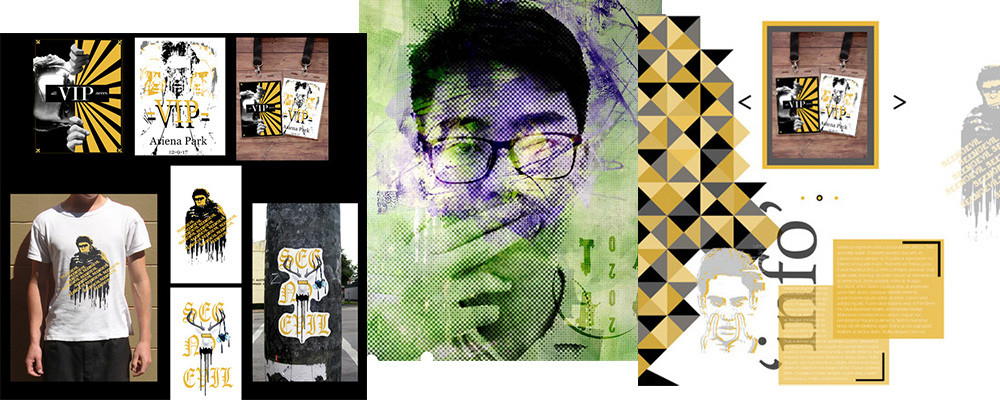
This course gives students the opportunity to participate in the creative advertising industry - Art Design. Students will communicate their own artistic ideas using curiosity, critical thinking, and creativity, using a range of media platforms, including Adobe Software and Photography.
Through engaging in the visual arts, students learn how to discern, participate in, and celebrate their own and others' visual worlds.
Note: Level 1 students can only choose one Visual Art Subject - Art Design or Art Painting or Art Photography
Level 1 Art Painting
11APA
The Visual Arts is a medium to explore, discover and value.
This mainstream Art course includes a traditional and contemporary approach to painting, collage, drawing and other media. Students will need to work independently as they work towards workbook assignments and a one panel folio.
Note: At Level 1 students can only choose one Visual Art Subject - Art Painting or Art Design or Art Photography.
Level 1 Art Photography
11APH
Level 1 Art Photography is an introduction course to Digital Photography exploring a range of creative processes. Students will study the camera, studio techniques, history and principles of photography. Students will be required to work independently using Photography as a platform to communicate their own ideas, using curiosity, critical thinking, and creativity.
Level 1 students can only choose one Visual Art Subject: Art Design or Art Painting or Art Photography
Level 1 Commerce
11COMCommerce is the use and exploration of accounting, economic, and business concepts and models to make sense of society and solve problems. In this subject, students will build the knowledge, skills, and values they need to navigate, and participate in, the economic world. They will learn how participants in the economic world make decisions, and they will analyse how these decisions impact on sustainability.
Students will learn that decision-making is necessitated by scarcity and that decisions are informed by a variety of cultural perspectives and lenses. Learning and assessment will examine different approaches to commerce, and business models from whānau and organisation contexts.
Level 1 Computer Digital Technologies
11CDTThis course is for students who are interested in computational thinking and developing skills in basic planning, programming, web design and the field of Computer Science.
Level 1 Computer Studies
11CSTThis is a Unit Standard course for students who do not wish to enter the achievement standards course but prefer a more general coverage of various topics. Students will select standards based on their interests from the options available.
Students should be aiming to complete enough standards to gain 16 – 20 credits for the year.
Level 1 Design and CAD Technology
11DCTThis course is an introduction into CAD, designing and working with wood-based projects. The Main unit introduces the students to CAD (Computer Aided Design using SolidWorks) and gives them an opportunity to design (with CAD if they want) and make something in wood for a take home project.
Level 1 Drama
11DRA


Students will work collaboratively in groups to study scripts and create their own scenes around a concept. Students will enhance their practical knowledge in devised theatre by developing techniques using movement, creativity, characterisation and performance skills. They will develop self-confidence with regards to performing and study the theory of theatre. Level one Drama is a literacy-based subject. Literacy credits are gained through drama, and it is a university approved subject at NCEA level.

Level 1 English Communication Literacy
11ELCAll Year 11 students are required to study English and will be guided by teacher recommendation for English Communication Literacy or ESOL. Otherwise, they will choose from either English Studies or English Literature.
This is a practical English course that will support students to achieve the Literacy Unit Standards while achieving Level 1 Communication Unit Standards as well.
Level 1 English Literature
11ELTAll Year 11 students are required to study English. Students will be guided by teacher recommendation for English Communication Literacy or ESOL courses. Otherwise, they will choose from either English Studies or English Literature.
A literature and language-based course comprised of three Level 1 Achievement Standards, two of which are assessed through the external exam. A range of skills will be covered including reading and responding to a range of written and visual/verbal texts, as well as writing for a range of purposes to prepare for Level 2 English courses.
Level 1 English Studies
11ELGAll Year 11 students are required to study English. Students will be guided by teacher recommendation for English Communication Literacy or ESOL courses. Otherwise, they will choose from either English Studies or English Literature.
An English course assessing three Level 1 Achievement Standards, two of which are assessed internally. Studies will cover a range of different texts, including film, written and oral texts, and language. Students will investigate the form and purpose of language in these mediums as well as the concepts of genre and audience.
Level 1 Food and Hospitality
11FHPStudents investigate basic cookery techniques and issues relating to food to enable them to plan, prepare and present food that is appropriate for a range of people and situations. Food and personal safety and hygiene are developed as part of the kitchen basic routines.


Table service skills are introduced, which may combine with other skills to create a training restaurant. Students are encouraged to participate in catering events within the school environment.
Level 1 Furniture and Timber Trades
11FTTThis is an introductory course to Year 12 Furniture and Timber Trades which develops knowledge of general workshop safety and practices. Students use a variety of hand tools and machines to construct a caddy box and spice rack by carefully following instructions and plans. Having prior knowledge of basic woodworking skills is recommended for this course.
Level 1 Geography
11GEOCourse theme: people and the environment. This is an introduction to Geography. Students will learn how the world's natural and cultural environments interact. The main topics covered will be human population, natural processes and land use. Three of the four available NCEA standards will be assessed; two internal assessments and one external (exam) assessment.
There will be at least one field trip based on the curriculum, which may include the topics of forestry and river quality, but these will be confirmed at the start of 2027.
Level 1 Graphics
11GRAThis course enables students to have the freedom and choice to focus on the design and development of ideas and creativity building upon the Year 10 course. Students will utilise skills including graphic techniques and computer applications in Architectural/Spatial Design.
A selection of standards will be offered.
Level 1 Health
11HLSThis is a course for students aiming to explore Health Education and who may be interested in a career in the health or community sectors or interested in people and society. Students will develop skills and strategies for achieving and maintaining their own wellbeing alongside that of others. This involves taking action to enhance wellbeing and also developing strategies to support wellbeing. Students will study current key ideas and concepts within food and nutrition, mental health, and relationships and sexuality and a range of other topics.
This course is UE accredited.
Level 1 History
11HISThe theme for Year 11 History is Resistance. Students will learn valuable skills in research, formal writing, and analysis of historical perspectives. This will be achieved from study in the following four topics:
Resisting Fascism in World War II - Students will learn about key battles of World War II and engage in their own research of a chosen battle.
Resistance and the French Revolution - Students will learn about the causes and consequences of the 1789 French Revolution.
Genocide and Passive Resistance - Students will learn about the significance the Rēkohu massacre had for New Zealanders, at the time and today.
Conflict in Israel/Palestine - Students will learn about different perspectives in this ongoing and topical conflict, with a focus on its origin.

Level 1 Japanese
11JPNThis course builds on foundational knowledge students have gained in the junior Japanese programme. All four skills; reading, writing, speaking and listening will be developed through the course. In Year 11 students will begin to learn some Kanji characters. They will develop essential communication skills, so they can communicate and connect in a simple, but meaningful way, with Japanese-speaking communities.
Topics include:
- daily life and routines
- leisure activities
- school life and events
- our home, town and world
- health
Level 1 Mechanical Engineering
11MEGThis is an introductory level broad based engineering course. Students will gain precision marking out skills, learn to fabricate a metal toolbox, and making a variety of hand tools while learning the basics on the lathe, milling machine, pedestal drill, aluminum casting and bench skills.
Level 1 Music
11MUSMusic at year 11 is about creating music by playing and composing. The students are expected to have knowledge of an instrument at this level or have some experience playing or singing. There are 3 standards offered for a total of 15 credits. These standards involve songwriting and production, live performance and playing a song back by ear.
Students are provided with instruction on music theory, song writing theory and performance skills.
In music, there is an expectation that student practice an instrument during the course of the year to ensure they are getting the best possible grade.
Level 1 Outdoor Education
11OEDIf you love adventures and want to develop skills in a range of outdoor pursuits then this is the course for you. You will develop skills in kayaking, mountain biking, rock climbing and tramping. Alongside technical skills you will build resilience, organisational and leadership skills and develop a passion for the outdoor environment. This course involves a weekly practical in class time, plus up to 6 days out of school. Leads to Year 12 and then 13 Outdoor Education where you become more independent in the outdoors and develop your outdoor skills and attitudes to a higher level.
Level 1 Physical Education
11PEDThis course consists of both practical and theoretical elements to give a comprehensive understanding of Physical Education at this level.
Topics include:
- Various sporting practical units through Futsal, Touch Rugby ,Kio rahi and other sports
- Anatomy and Physiology concepts, learning about the body and human movement
- Biomechanical aspects in movement and Social Responsibility and Leadership in game situations
- Understanding how movement impacts through Kotahitanga or unity and spirit
It is an ideal course for those students wishing to pursue Physical Education further into the senior school. The course comprises of methods to improve performance in sport as well as anatomy, exercise physiology and motor skill learning. There is a focus on interpersonal skills with the view to exercising social responsibility in sports groups and teams. There are optional 1-day non-curriculum related trips included in this course in the latter part of the year which include: Skiing/Snowboarding, Paintballing and golf. These trips are not course compulsory and are optional and dependent on weather/snow conditions and would incur a payment covering basic activity costs and transport.
Level 1 Science Extension
11SCXThis exciting course is designed to give students a comprehensive science knowledge base. It allows students to explore elements of physics, biology, chemistry, geology and astronomy alongside learning the relevance of science to their everyday lives. It will consist of a variety of science standards taught by specialist teachers and allow students to gain a thorough understanding of the different disciplines of science. This is an 8-hour course and is highly recommended for those students who want to develop their scientific literacy, investigative, and research skills and/or are planning to continue on with Science in Level 2 and 3.
The content of this course is flexible and innovative as it offers a selection of standards based on the interests of the students.
Contexts could include, marine biology, sports and medical science, astronomy, biochemistry, forensics, botany, acoustics, e-bikes, or other contexts of interest.
Level 1 Te Reo Māori - Te Ao Haka
11TRMTe Reo Māori covers the four core language skills of Tuhituhi (writing), Pānui (comprehension), Whakarongo (aural), and Kōrero (oral). Te Ao Haka introduces students to the world of Haka and investigates the key elements of performance.
Level 1 Vocational Pathways & Education
11VOCThis is a Level 1 Unit Standards course. It offers students a chance to consider career options and to develop employability skills alongside life skills. Individual pathways and needs are considered. The unit standards listed are EXAMPLES of what standards are on offer. Students should expect to be able to gain 15 credits from this class.
Senior ESOL Immersion
IMMSNelson College's ESOL Immersion programs provide English language support for students with low English skills. ESOL Literacy support class is a 4-hour a week course that takes the place of other core subjects. The key focus of the course is building literacy skills and support passing the CAA's.
Students in this course may range from Year 11 to Year 13. Students placed in this program may gradually transition out to other subjects as they acquire the level of English needed to cope with the rest of the curriculum. It will focus on the skills required for Level 1 Literacy: reading, writing and grammar.
Year 11 ESOL
11ESOLThis course focuses on building literacy skills in English through the study of a range of literature and non-fiction. Students will read and view a range of different texts and work through English Language unit standards to demonstrate their progress in each of the core skills: reading, writing, listening and speaking. Students can work at different ESOL level standards to be working at their own individual level.
Subjects for Year 11 Students
Level 2 Accounting
12ACCThis course looks at accounting systems, principles and processes for business organisations, both in theory and through the practical application of MYOB accounting software.
Year 12 Accounting gives students the tools to make real life financial decisions in a constantly changing and uncertain world. It looks at processes for preparing and communicating financial information to a range of users, while enhancing financial literacy.
Accounting enables students to develop the knowledge and skills to manage the financial affairs of individuals, communities and businesses.
Level 2 Art Design
12ADE
Level 2 Art Design is a study of contemporary design and creative industry practice. Students explore their own artistic ideas using curiosity, critical thinking and creativity using Adobe software as the main computer platform. Students will complete a workbook and folio that covers a range of projects for both internal and external Achievement Standards.
Students can take more than one Visual Arts subject at Level 2 and Level 3
Level 2 Art Painting
12APA
Art Painting is a fine arts course that gives students the opportunity to communicate their own artistic ideas using curiosity, critical thinking and creativity. Students will prepare a two-panel folio and develop a wide range of skills while studying both modern and traditional painting and mixed media. Students need to be able to work independently and be interested in the creative process.
Students can take more than one Visual Arts subject at Level 2 and Level 3
Level 2 Art Photography
12APH
The Art Photography course covers picture taking, studio work, composition, computer and digital presentation. Students complete a two-page folio through the study of photography traditions and also modern digital techniques. Adobe software is used to complement traditional photography methods. Students will communicate their own artistic ideas using curiosity, critical thinking, and creativity.
Students can take more than one Visual Arts subject at Level 2 and Level 3
Level 2 Art Practical
12APRThis is a hands-on course focusing on developing practical painting skills through a guided project that leads to the creation of a finished mural. Students will explore fundamental painting techniques, colour use, and design processes suitable for large-scale artwork. Throughout the course, students will work individually and collaboratively to plan, design, and paint a mural, applying ideas that communicate a clear theme. This course offers 12 internal credits at Level 2 and builds skills transferable to the L3 Art Painting Course.
Level 2 Automotive Engineering
12AEGThis course is aimed at students who want to gain a basic understanding of the principles and concepts involved in automotive engineering. The course will cover topics such as: safe work practices; knowledge of vehicle systems; cleaning automotive parts; knowledge of hand tools and workshop equipment used in the automotive industry; and disassembly and re-assembly of engines.
Level 2 Biology
12BIOBiology is the scientific study of life. It is a subject which explores the living world: its ecology, processes and relationships.
Through this study, students gain an understanding of themselves, the planet, and how organisms survive and live together. They also develop essential scientific knowledge, methods and techniques. From here, students are able to analyse scientific information effectively and discuss the wide range of implications biology has on their world, including medical and environmental issues. Biology is a fascinating subject and is important for careers in a variety of areas including medicine, sports science, environmental science, marine biology and forensics.

Level 2 Business
12BUSThis course aims to give students theoretical and practical skills in setting up and running a small business. Students are expected to participate in running a business, with the opportunity to engage in the Young Enterprise Scheme (YES) to enhance their learning. Topics include: running a business; marketing; motivation; external influences on a business; strategic planning. Students are required to start up and run a business. This may require them to source their own initial investment for their activity.
Some equity funding may be available by approval from the TIC of Business.
Level 2 Chemistry
12CHEThis course should be considered as part one of a two-year course in Chemistry. It enables students with excellent problem solving skills in the context of an enhanced understanding of the world they live in. Chemistry is an essential pre-requisite for many professional courses at university, especially in Health Sciences and Engineering.
Level 2 Computer Digital Technologies
12CDTThis course is for students who are interested in extending the skills and knowledge they gained in year 11. The course involves computational thinking and developing skills in planning, programming, web design and the field of Computer Science. The course will include a selection of the standards listed below.
Level 2 Computer Studies
12CSTThis is a Unit Standard course for students who do not wish to enter the achievement standards course but prefer a more general coverage of various topics. Students will select standards based on their interests from the options available.
Students should be aiming to complete enough standards to gain 16 – 20 credits for the year.
Level 2 Design and CAD Technology
12DCTThis is a CAD design course which the students get to design a product on the CAD system where students get to make the product they have designed.
Students are to design a piece of furniture on a CAD system (Solidworks) for someone in the family. This will be made on the laser engraver/cutter. It needs to be flatpacked, so must have a variety of interlocking components to secure it together (glues and screws not permitted). The material on offer is ply, MDF, Pine, Acrylic varying in thicknesses up to 12mm.
Level 2 Drama
12DRA


This course extends students in vocal communication, characterisation, teamwork, confidence and self-management skills. There are a number of performance opportunities, where students will work collaboratively in small groups and a major class production. Literacy credits for reading and writing can be gained through level two achievement standards including script writing, substantial role, theatre form and the external exam. All standards are achievement standards. Students will develop skills in collaboration, creativity, building of confidence, empathy and communication. Studying Drama will benefit careers in law, medicine, project management, event organizing, production management and the creative industries. Skills of analysis, report writing, leadership, collaboration and cultural awareness are crucial elements of drama teaching and learning.


Level 2 Earth and Space Science
12SCEThis course covers aspects of Astronomy, Marine Science and Earth Science while developing students understanding of the nature of science. It is an exciting Level 2 general science course for students that want to continue to study science but don't want to specialise. It leads on to the Level 3 Earth and Space course in Year 13.

.
Level 2 Economics
12ECOThis course focuses on trade, growth, inflation and inequality through the discussion of local and world-wide economic issues.
An optional Year 13 Macro Economics paper 91403 will be available for students.
Level 2 English Communication Literacy
12ELCThis course is strongly recommended for students who have not yet achieved the Level 1 Literacy requirements. In this English Communication Literacy course, a selection of standards will be offered in reading, writing, researching and analysing in order to communicate confidently and proficiently.
Level 2 English Language
12ELGLevel 2 English Language is a course aimed at students who would benefit from a fully internally assessed course which focuses on building basic skills.
Level 2 English Literature
12ELTLevel 2 English Literature is a comprehensive course of study covering a range of English skills at Level 2 with a strong emphasis on reading and writing. Analytical and interpretative skills are encouraged and developed.
Level 2 Food and Hospitality
12FHPThe aim of this course is to prepare students with entry level skills for either work or study in the hospitality area. Students will gain an understanding of the hospitality industry and gain a wide range of food safety, personal hygiene and practical cookery skills. An emphasis for this course in on learning a variety of cookery methods and developing food safety skills that industry requirements.

Level 2 Furniture and Timber Trades
12FTTThis course builds on the knowledge developed in the Year 11 course and introduces the basic principles of cabinetmaking. Students use a variety of machines and power-tools to construct a folding step stool and bed-side cabinet. Skills include woodturning, furniture carcase construction, variety of joints, drawer construction.
Level 2 Geography
12GEOCourse theme: landscapes and land use. Students will explore real and relevant contemporary contexts, undertake field work and relate it to the geographic processes and patterns that shape our world. Topics may include: natural landscapes; environmental monitoring; resource management; urban patterns; global issues; geographic skills; spatial analysis using GIS.
This course will include a significant, multi-day field trip based on the curriculum and linked to the natural landscapes and research topics.
Level 2 Graphics
12GRAThis course enables students to utilise a range of skills including graphic techniques and computer applications. They will challenge existing knowledge to review, refine and describe creative ideas in Architectural and Spatial Design through the development and design of a Modular Architectural building, and a product related to ‘The Kitchen’. As well as an in depth study of a design Movement or Era.
Level 2 Health
12HLSThis is a course suitable for students interested in the health, wellness or community sector. Students will take part in a broad learning program which examines current issues such as mental health, sexuality, alcohol and vaping alongside various other health topics. Students will also develop and carry out an action plan designed to improve their wellbeing which includes practical elements. Individual research is complimented by a range of collaborative and group based tasks. This course offers a total of 20 credits and is UE accredited.
Level 2 History
12HISThe theme for Year 12 History is East vs West. Students will learn about the historical forces and ideologies that have shaped the modern world. This course will focus on the following four topics:
The Crusades - Students will learn about these “holy wars” and investigate perspectives from the Muslim capture of Christian Jerusalem in 1187.
The Vietnam War - Students will learn about this conflict and its global significance within the context of the cold war.
Post-War New Zealand - Students will undertake individual research on a topic of their choice, such as the Springbok Tour protests or the bombing of the Rainbow Warrior.
The Bombing of Hiroshima - Students will learn the causes and consequences of the nuclear bombing of Hiroshima, and debate the justification of this deadly event.

Level 2 Industrial Engineering
12IEGThis course is designed to enhance and build on the skills learnt in Level 1 Mechanical Engineering. Through fabrication, machining, aluminium casting and using oxyacetylene gas equipment, students will be producing an engine which will run off steam or compressed air. The options are a Stationary engine or a Traction engine, both of which are based on the original MAMOD designs.
A fabrication unit of an oilcan is required to enhance the sheet metal development skills needed for the year 13 welding section of this course.
Students will also have an introduction to CAD (Solidworks) for the first 2 weeks. After which this section becomes an extension to the practical engineering course. If students wish they can complete this at home and get guidance during study periods. There are opportunities to gain credits through 3D modelling and 2D engineering drawings of the engine they are making.
Level 2 Japanese
12JPNThis course takes students from the survival skills stage towards demonstrating real competence in Japanese. Language topics and skills are integrated with cultural studies and topics include:
- where we belong
- school
- part time work
- leisure and recreation
Level 2 Mathematics
12MATLevel 2 Mathematics is for students who wish to continue with mathematics at Year 12 as a complement to studies in other areas. This is a generalist course that is designed for students following a variety of different pathways. The course covers a range of concepts including basic algebra, trigonometry, networks and statistics. Whilst this course progresses into Year 13, students will need to be confident and hard-working. If time permits this course may look at some Financial Capability Unit Standards.
Teacher in Charge: Mr Tim Clack
Level 2 Mathematics with Algebra
12MAALevel 2 Mathematics with Algebra is a course designed for able mathematicians with strong algebraic skills. It extends algebraic understanding, introduces calculus, and broadens knowledge of graphs and probability concepts. It covers algebra, calculus, trigonometry and statistics. This covers provides pathways into all Level 3 courses.
* this course will include either 91264 or 91267 not both
Level 2 Mathematics with Statistics
12MASLevel 2 Mathematics with Statistics is new course designed to provide students who enjoy statistics with a pathway into Level 3. It will extends the concepts learned in previous years with a focus on Statistics. The course covers internally assessed standards of graphs, trigonometry and statistics and will include a probability external.
Teacher in Charge: Ms Catherine Staig
Level 2 Media and Society
12MEDMedia and Society explores the relationship between society and media - including social media, print, broadcasting, film and all kinds of online spaces. It asks how our understandings of the world and people around us are created, how media has shaped society, and how society is reflected and produced through media. We will explore topics like media audiences, genre and social issues; and learn how to create our own media. Students will create media in the form of a short film or podcast that competes for a distinguished place in the annual Top of the South filmmaking showcase: Briefs. They will learn to write a range of texts including reports, scripts, feature articles and academic essays.
Suitable for students who enjoyed film studies and research in their subjects so far. This course leads to 13MED, an ‘approved subject’ for University Entrance.
Level 2 Music
12MUSThis course consists of solo and group performance, composing music, organising existing music for a group, understanding the language of music and aural perception, as well as investigating a New Zealand music topic. Other standards may be offered but they will be part of an individualised program at the discretion of the Teacher in Charge of Music.
Level 2 Outdoor Education
12OEDIf you love learning outside the classroom, new experiences and challenges, then this course is for you. You will develop skills in a range of outdoor pursuits including kayaking, mountain biking, rock climbing, tramping and mountaineering. You will develop transferable leadership and risk analysis skills, as well as an appreciation for the outdoor environment. This course involves a weekly practical in class time, plus a total of 9 days out of school. The course is internally assessed, with a combination of unit & achievement standards.
Level 2 Physical Education
12PEDThis course combines theoretical components with practical applications and is a course designed for those wishing to pursue possible future career pathways in the sporting world. The course covers the methods and principles behind the training for sporting disciplines. It involves the physiological, anatomical and biomechanical analysis of sporting movements as well as an emphasis of Aquathon (running and swimming), Volleyball and Badminton as well as coaching and leadership in group situations. It is ideal for students wishing to pursue Physical Education in Year 13 and a career in a sporting pathway for the future.
Level 2 Physics
12PHYThis is a challenging but exciting course. It aims to empower students with the ability to critically analyse a situation and approach new situations with confidence, while gaining knowledge of the fundamental concepts and principles of Physics. Topics covered include: electricity, magnetism, nuclear and mechanics concepts. Students are encouraged to use scientific methods to challenge their current thinking.
Your teachers are keen to help you understand more about the Universe and to value the study of Physics.
We aim to present an interesting course that will be relevant to those intending to study Physics at Level 3 and beyond, as well as students completing their Physics education at Level 2. Your teachers will give you full tuition on all topics, however, some activities will be student-centred (i.e. without direct supervision or control of the teacher). This requires complete student co-operation and careful use of equipment. Should you have any difficulties during the year, do ask your teacher for help at the earliest opportunity. Asking questions is a major part of gaining understanding of the concepts covered.
Level 2 Sports Extension Programme - Rugby
12SPRSelected students work with coaches and invited specialists to cover fitness work, individual skills, team skills and coaching. The programme is based around the six pillars of rugby development: technical, tactical, physical, mental, nutrition and personal leadership.
This course is designed to help our top rugby players excel by providing them with the time and expertise to take their chosen sport to the next level.
Level 2 Te Ao Haka
12TAHThis is a mainly practical course which focuses on extending knowledge and skills in Te Ao Haka - the World of Haka.
Level 2 Te Reo Māori
12TRMThis is a comprehensive course that develops Te Reo Māori language skills. Integrated assessment is incorporated throughout.
Level 2 Tourism
12TOUThis course provides students with a broad introduction to the exciting world of tourism, traditionally one of New Zealand's biggest employers and export industries. Students will understand how tourism should be managed by discovering why tourists travel, where they travel and what they do when they travel. This may include: careers within the tourism industry; New Zealand and overseas destinations, tourism impacts, guest speakers; field trips to experience what it is like to be a tourist; visits to accommodation providers.
Level 2 Trade Building - One option course
14TBThis course is designed for students who want to improve their woodworking skills and potentially seek involvement in the building and construction industry as a future career pathway. Building and construction unit standards that count toward Level 2 NCEA will be delivered.
* This is a single option subject (4 hours per week) for students who are not undertaking the 8 hour Trade Building option.
Level 2 Trade Building - Two option course 8 hrs
12TB1This is a course designed for Year 12 students who seek involvement in the building and construction industry as a future career path. Building and construction unit standards that count toward Level 2, NCEA will be delivered. Students will be exposed to a variety of processes and conditions typically encountered in the building trade and practical building work will take place in the Nelson College Trade Centre. Industry visits are incorporated into the course.
This is a double option subject (8 hours per week) and takes up two option lines.
Level 2 Vocational Pathways & Education
12VOCThis is a Level 2 Unit Standards course. It is aimed at students who are considering a vocational pathway. It provides students a chance to explore career options and gain an understanding of the world of work while developing their employability skills.
The course includes career planning, CV writing, interview skills, and some basic financial literacy skills. Where students demonstrate work readiness/basic employability skills they will be offered work experience opportunities. The standards below are indicative ONLY of what is available. Standards on offer can be flexible and where possible or applicable they can cater to each student's chosen pathway.
Students will also complete a Health and Safety in the Workplace Course which will offer them 5 Level 2 credits.
Level 2 Vocational Physical Education
12PEVThis course is a practical-based Physical Education programme designed for students who enjoy learning through doing. It is based on Achievement Standards and provides a balance of practical performance, leadership, fitness, and real-world skills.
Course Aims
- Develop practical sport and fitness skills
- Build confidence in leadership and teamwork
- Apply knowledge in real-life sport and recreation contexts
- Prepare students for vocational pathways in sport and recreation
Student Expectations
- Bring full PE gear every lesson
- Participate actively in all practical sessions
- Demonstrate respect and teamwork
- Complete all assessment tasks
Senior ESOL Immersion
IMMSNelson College's ESOL Immersion programs provide English language support for students with low English skills. ESOL Literacy support class is a 4-hour a week course that takes the place of other core subjects. The key focus of the course is building literacy skills and support passing the CAA's.
Students in this course may range from Year 11 to Year 13. Students placed in this program may gradually transition out to other subjects as they acquire the level of English needed to cope with the rest of the curriculum. It will focus on the skills required for Level 1 Literacy: reading, writing and grammar.
Year 12 ESOL
12ESOLThis course focuses on building literacy skills in English through the study of a range of literature and non-fiction. Students will read and view a range of different texts and work through English Language unit standards to demonstrate their progress in each of the core skills. This course flows on to the Year 13 ESOL course or into Level 1 English mainstream, where they can gain L1 literacy.
Subjects for Year 12 Students
Level 2 Practical Music
12MUPThis subject operates as an opportunity for students to learn music with a less intense academic focus and a greater emphasis on practical music performance.
The standards assessed depend on the student's ability and level.
Level 2 Te Ao Haka
12TAHThis is a mainly practical course which focuses on extending knowledge and skills in Te Ao Haka - the World of Haka.
Level 3 Accounting
13ACCThis course covers both Financial and Management Accounting. The emphasis is on providing financial and non-financial information relating to partnerships, companies financial statements, and the costing of products / services with focus on using this for financial decision making.
Level 3 Art Design
13ADE
This course involves a three-page folio and workbook presentation, exploring and developing a thematic and personal individual program. Through the study of existing Design practice and developing skills using Adobe software, students will find this a creative and challenging course. This course encourages independent thinking, curiosity, critical thinking, and creative thinking, preparing students for the creative industries. It would be of an advantage if students have Adobe Photoshop skills and completed Level 2 Design or Photography.
Any enquiries to Teacher in Charge if more clarification is needed.
Level 3 Art Painting
13APA
This Level 3 Fine Arts Painting course involves the submission of a workbook and a three-panel folio. Students will systematically develop an idea through a study of established practice, exploring materials, and techniques. They will have the opportunity to explore a self-directed creative proposal using their own artistic ideas, including critical thinking and decision making.
This course will encourage self-expression and creativity and can build confidence as well as a sense of individual identity.
A commitment to the subject and prior art painting knowledge is preferable.
Level 3 Art Photography
13APH
Level 3 Photography explores digital photography processes through workbook discussion and a three-page folio. Students will have the opportunity to explore a self-directed proposal exploring their own artistic ideas, using curiosity, critical thinking through the study of established practice. Being able to work independently and being interested in the creative industry is desirable.
A commitment to the subject and prior art photography knowledge is preferable.
Level 3 Automotive Engineering - one option course
13AEGThis is a course designed for Year 13 students who seek involvement in the Automotive and Engineering industry as a future career path. Automotive as well as Engineering standards will be delivered. Skills common to both industries such as safe use of machinery, hand tools and MIG welding will be included.
The students will construct Grass Karts in small groups and be able to race them in the local inter-school competition.
* This is a single option subject (4 hours) for students who are not undertaking the 8 hour Automotive Engineering option.
Level 3 Automotive Engineering - Two option course 8hrs
13AEG1This is a course designed for Year 13 students who seek involvement in the Automotive and Engineering industry as a future career path. Automotive as well as Engineering standards will be delivered. Skills common to both industries such as safe use of machinery, hand tools and MIG welding will be included. Topics such as: knowledge of vehicle systems, setting up steering, brakes and gear ratios. The students will construct Grass Karts in small groups and be able to race them in the local inter-school competition.
Level 3 Biology
13BIOBiology is the scientific study of life. It is a subject which explores the living world: its ecology, processes and relationships. Through this study, students gain an understanding of themselves, the world, and how organisms survive and live together. They also develop essential scientific knowledge, methods and techniques. From here, students are able to analyse scientific information effectively and discuss the wide range of implications science has on their world, including medical and environmental issues. Biology is a fascinating subject and is important for careers and in a variety of areas, from health and medicine through to sports science, environmental science, marine science and anthropology.
This course focuses on:
- Studying how human physiology controls our bodies
- Investigating the evolution of modern and ancient humans and how their journey has shaped our modern world and anatomy
- Examining how plants and animals detect and respond to their environments and each other
- Running practical investigations into animal behaviour
- Developing the skills to analyse information from the net around a contentious scientific issue

Level 3 Business
13BUSThis course develops students’ theoretical and practical skills in setting up and running a small business with the option to further develop business participation through the Young Enterprise Scheme (YES).
Topics include: running a business; marketing; global influences on business; external factors; human resource issues; strategic planning. Students are required to start up and run a business. This may require them to source their own initial investment for their activity. Some equity funding may be available by approval from HOF Commerce.
Level 3 Chemistry
13CHEThis course builds on the foundational knowledge gained in Level 2 Chemistry. It aims to prepare students for entry into university-level programmes that require a strong background in Chemistry, such as Engineering and Health Sciences.
Level 3 Computer Digital Technologies
13CDTThis course is for students who wish to continue extending the skills and knowledge they gained in previous years. The course involves computational thinking and developing advanced skills in planning, programming, databases, web design and the field of Computer Science. The course will include a selection of the standards listed below.
Level 3 Computer Studies
13CSTThis is a Unit Standard course for students who do not wish to enter the achievement standards course but prefer a more general coverage of various topics. Students will select standards based on their interests from the options available.
Students should be aiming to complete enough standards to gain 16 – 20 credits for the year. This is a developing course so more options/standards may be added during the year.
Level 3 Design and CAD Technology
13DCTThis course is based on designing, modelling and presenting your ideas to a client of your choice or one supplied by the school. With the approval of your design, you will manufacture the design to meet client specifications. This is an academic course which leads on to university and a degree in design, engineering and manufacturing.
You will be using the CAD system Solidworks (supplied by the school) throughout the design process and in the presentation to your client. This will include 3D images, 2D working drawings, 3D animation and 3D printed models (where appropriate).
Level 3 Drama
13DRA
This course combines in-depth theoretical theatre studies and performance opportunities. Students will devise, direct and perform in original dramas while developing technical and production skills. There are a number of performance opportunities, where students may opt to work on solo pieces, collaboratively in small groups and a major class production. Students will explore different genres of theatre and use these in their application of drama conventions to convey messages and themes in their performance. Students will develop skills in collaboration, script writing, creativity, building of confidence, empathy and communication. Studying Drama will benefit careers in law, medicine, project management, event organization production management and the creative industries.


Level 3 Earth and Space Science
13SCEThis course covers aspects of Astronomy, Marine Science and Earth Science while developing students understanding of the nature of science. It is an exciting Level 3 general science course for students that want to continue to study science but don't want to specialise. Five standards from the Earth and Space selection will be offered.
Level 3 Economics
13ECOThis course provides an analytical study of the market and the public sector as well as an understanding of overall resource allocation in the economy.
Students are provided with the opportunity to take part in the UC STAR Program, run through Canterbury University, offering a level one University Economics Paper.
Level 3 English Language
13ELGThis is a guided senior English course. This course develops skills in using language and covers a range of texts. There is a provision within this course to modify the Achievement Standards completed based on individual student’s UE requirements including extension through the exchange or supplementation of A.S. 91479 - Develop an informed understanding of literature and/or language using critical texts. All assessments are internally assessed.
Level 3 English Literature
13ELTThis is an academic senior English course for independent learners. This course demands a high level of understanding of language and style and focuses on the study of literature from established works.
Level 3 Food and Hospitality
13FHPThe aim of this course is to develop and extend students’ understanding of and interest in the Food and Hospitality industry. Students will have the opportunity to become familiar with the knowledge, skills and techniques required to produce a range of food and beverage consistent with industry standards, and demonstrate these skills to create a product suitable for sale. Catering events will be carried out during the year which students will be required to participate in.


Level 3 Furniture and Timber Trades
13FTTThis course develops industry knowledge of the principles of cabinetmaking. Students use a variety of machines and power-tools to construct a cabinet and side table. Skills include knowledge and application of a variety of hardware used in joinery, constructing shelving units, drawer construction with dovetailing machine.
Level 3 Geography
13GEOCourse theme: managing global issues. Students will study the complex nature of present environmental challenges and possible solutions. These may include: the effects of human activities on different environments; cultural processes (tourism); natural processes within a coastal environment with field research; global issues such as human trafficking, conflict diamonds and/or the oil industry; geographic skills; spatial analysis using GIS.
This course will include a significant, multi-day field trip based on the curriculum and linked to the coastal processes and research topics.
Level 3 Graphics
13GRAThis course enables students to focus on the design areas that they can pursue at tertiary level. They will utilise a range of skills including graphic techniques and computer applications to analyse and reinterpret creative ideas and thinking in Architectural/ Spatial and Product Design related to ‘The Great Taste Trail’.
Level 3 Health
13HLSThis course is suitable and important for students anticipating a career in the health, wellness or community sector. This course has strong research, written and reading components alongside a range of practical sessions too. Students will examine local and international health issues, with a key emphasis on core health concepts which are interwoven throughout all the achievement standards on offer. Discussion, critical thinking and collaboration with their classmates are just three or many important aspects to this interesting course.
This course offers a total of 19 credits, which is UE accredited.
Level 3 History
13HISThe theme for Year 13 History is Imperialism. Students will learn about imperialism and colonisation and debate the extent to which this continues to impact society today. This course will focus on the following four topics:
Turning Points - Students will undertake research and present arguments in debates on key historical turning points, such as the fall of the Roman Empire, or World War Two.
Stories of Te Tauihu - Students will choose a topic from local History to explore and engage in field research as a professional historian.
The British Empire - Students will learn about the rise and fall of the British Empire and debate whether it was overall a force for good, or a force for evil.
The Hell-Hole of the Pacific - Students will learn the causes and impact of British empire building in Aotearoa New Zealand.
STAR Course - High achieving students will have the opportunity to complete a History related 100-level University paper through the University of Canterbury STAR programme.

Level 3 Industrial Engineering
13IEGThis course with further enhance the student’s ability to manufacture and assemble components to a high standard. Students will manufacture a Jeroen Jonkman Stirling Engine. The link attached shows a completed engine running.
The second project is a fabrication and welding unit where students learn to produce a square to round truncated development and make small smoker stack to fit a 9KG gas bottle.
Students will also have an introduction to CAD (Solidworks) for the first 2 weeks. After which this section becomes an extension to the practical engineering course. If students wish they can completed this at home and get guidance during study periods. There are opportunities to gain credits through 3D modelling and 2D engineering drawings of the engine they are making.
Level 3 Japanese
13JPNStudents will build competence in social settings by using language patterns to develop and support their point of view. Reading and writing skills will be further developed with Kanji and grammar structures used in realistic settings.
Topics include:
- かんこうと りょこう travel and tourism
- テクノロジーと ソーシャルメディア technology and social media
- しょうらいの こと future plans
- かんきょう the environment
Level 3 Mathematics
13MATLevel 3 Mathematics is for students who wish to continue with mathematics at Year 13 as a complement to studies in other areas. This is a generalist course that is designed for students following a variety of different pathways. The course covers a range of concepts including critical path analysis, statistical analysis and linear programming. Whilst the course is university approved, to achieve university entrance students will need to be confident and hard-working.
Teacher in Charge: Mr Nico Boshoff
Level 3 Mathematics with Calculus
13MACLevel 3 Mathematics with Calculus is a university approved course is for students who enjoy mathematics and can work at an advanced level. Mathematics with Calculus is a specialist course that is designed for students following an academic pathway. It is essential that students who choose this course have strong algebra skills. This course covers advanced algebra, calculus and trigonometry concepts.
Level 3 Mathematics with Statistics
13MASLevel 3 Mathematics with Statistics is a university approved course is for students who enjoy statistics and can work at an advanced level. Mathematics with Statistics is a specialist course that is designed for students following an academic pathway. It is recommended that students who choose this course have strong literacy skills. This course covers a range of concepts including advanced statistics and probability and operations research.
Teacher in Charge: Ms Leonor White.
Level 3 Media Studies
13MEDWe interact with media every day, from the social media on our phones, to the advertising we pass on the way to school, to the content we stream on our TVs. The 13MED course is designed to critically examine the media that we encounter in our daily lives and challenge students with new media experiences. Students will create media in the form of a short documentary or mockumentary that competes for a distinguished place in the annual filmmaking showcase: Briefs. In addition, we’ll study a range of media including adverts, TV shows, and films from NZ, Hollywood and elsewhere, as well as debate media issues that arise across the year.
While the course has specific links to tertiary courses in humanities, the arts, creative technologies and communication studies, the critical thinking and media production skills developed in media studies are valuable in any pathway beyond school.
Level 3 Music
13MUSStudents will engage in a customised differentiated programme designed to allow them to achieve credits subject to their musical specialisation. The students will be taught grade 5 theory, compositional skills, performance skills and be awarded performance and research credits. The subject is intense and designed for students who are wildly involved in the musical life of Nelson College.
Level 3 Outdoor Education
13OEDIf you want to become an independent outdoor adventurer, instructor, skills for the police/army, then this course is for you. The topics studied are kayaking, mountain biking, rock climbing and alpine tramping. This course is fully internally assessed and will involve a weekly in class two hour practical and four expeditions (kayaking, mountain biking, alpine tramping and rock climbing) resulting in a total of 10 days out of school. You will develop transferable skills in leadership and safety management.
# Achievement Standard 91501 is also physical education these credits cannot be gained twice and outdoor education will act as a reassessment opportunity.
Level 3 Physical Education
13PEDThis course is designed for those wishing to pursue possible future career pathways in Sports Science, Physical Education and other future opportunities in the vast sporting world . The course covers many important sporting concepts and includes: Physical activity experiences with evaluation, based on video analysis techniques in the performance of golf using biomechanical concepts. The course covers the many benefits of sport throughout life (well being/ Hauora) through a variety of various sporting concepts and practicals covered across many sports codes. Students will research the acclaimed TGFU/ Game sense coaching approach through a 'Games for Understanding' based model in a Basketball unit. This course is also fully internally assessed with 2 weekly practicals. Students will be part of the popular golf program where local professionals assist and coach our students over 2 terms during practicals to help them improve their golfing skills for their future.
Level 3 Physics
13PHYThis course aims to empower students with the ability to critically analyse a situation and approach a new situation with confidence, while gaining knowledge of the fundamental concepts and principles of Physics. Topics covered include Mechanics, Electricity, Magnetism, Waves and Nuclear Physics. Students are encouraged to use scientific methods to challenge their current thinking.
Your teachers are keen to help you understand more about the Universe and value the study of Physics.
We aim to present an interesting course that will be relevant to those intending to study Physics at a tertiary institute, as well as students completing their Physics education at Level 3. Some activities will be student-centred and without teacher control.
Some students may decide to sit the Scholarship paper. Your teacher will be able to advise you about this. Should you have any difficulties during the year, don't hesitate to ask your teacher for help at the earliest occasion. Asking questions is expected in Physics lessons.
Level 3 Practical Music
13MUPThis subject operates as an opportunity for students to learn music with a less intense academic focus and a greater emphasis on practical music performance.
The standards assessed depend on the student's ability and level.
Level 3 Sports Extension Programme - Rugby
13SPRSelected students work with coaches and invited specialists to cover fitness work, individual skills, team skills and coaching. The programme is based around the six pillars of rugby development: technical, tactical, physical, mental, nutrition and personal leadership.
This course is designed to help our top rugby players excel by providing them with the time and expertise to take their chosen sport to the next level.
Level 3 Te Ao Haka
13TAHThis is a mainly practical course which focuses on extending knowledge and skills in Te Ao Haka - the World of Haka.
Level 3 Te Reo Māori
13TRMThis is a comprehensive course that develops language skills covered in intermediate Māori. This course is for students who wish to extend their practical knowledge of Māori language.
Level 3 Tourism
13TOUThis course enables students to deepen their understanding of how tourism works and its significance for New Zealand, the Pacific Islands and the world. Students do this by examining the economic, environmental and socio-cultural aspects of tourism. This may include: career and study options available in tourism; guest speakers and field trips to Kaikōura (two nights) and Kaiteretere/Abel Tasman National Park.
Level 3 Trade Building - Two option course 8 hrs
13TB1This is a course designed for Year 13 students who seek involvement in the building and construction industry as a future career path. Building and construction unit standards that have been developed for schools by the Building Construction Industry Training Organisation will be delivered and count towards Level 3, NCEA. Students will be exposed to a variety of processes and conditions typically encountered in the building trade and practical building work will take place in the Nelson College Trade Centre. Industry visits are incorporated into the course.
This is a double option subject (8 hours per week) and takes up two option lines.
Level 3 Vocational Pathways & Education
13VOCThis is a Unit Standard Level 3 course. The content is targeted at students who are seeking employment, trades and apprenticeship pathways. It offers students a chance to explore career options and write a report on their findings, interview people in career pathways they are interested in, gain some financial literacy skills and engage in some work experience. The course aims to develop a student's employability skills: positive attitude, communication skills, teamwork, self-management, a willingness to learn, thinking skills and resilience in the context of being an employee.
Standards on offer are flexible and where possible will cater to each student's chosen pathway. Selected students in this class will also be offered Health and Safety in the Workplace Training which will gain them further Level 3 credits.
It is expected that each student will engage in a minimum of 10 days work experience and gain 19 trades or pathways related credits. The standards below are indicative ONLY of what is available.
Senior ESOL Immersion
IMMSNelson College's ESOL Immersion programs provide English language support for students with low English skills. ESOL Literacy support class is a 4-hour a week course that takes the place of other core subjects. The key focus of the course is building literacy skills and support passing the CAA's.
Students in this course may range from Year 11 to Year 13. Students placed in this program may gradually transition out to other subjects as they acquire the level of English needed to cope with the rest of the curriculum. It will focus on the skills required for Level 1 Literacy: reading, writing and grammar.
Year 13 ESOL
13ESOLThis course focuses on building literacy skills in English through the study of a range of literature and non-fiction. Students will read and view a range of different texts and work through English Language unit standards to demonstrate their progress in each of the core skills. If a student is at the level and is still requiring Level 1 Literacy, they can work through two internal standards to try and achieve Level 1 literacy.
Subjects for Year 13 Students
Level 2 Practical Music
12MUPThis subject operates as an opportunity for students to learn music with a less intense academic focus and a greater emphasis on practical music performance.
The standards assessed depend on the student's ability and level.
Level 2 Te Ao Haka
12TAHThis is a mainly practical course which focuses on extending knowledge and skills in Te Ao Haka - the World of Haka.
Level 3 Practical Music
13MUPThis subject operates as an opportunity for students to learn music with a less intense academic focus and a greater emphasis on practical music performance.
The standards assessed depend on the student's ability and level.