
Kaiapoi High School
Canterbury
Kaiapoi High School Curriculum
160 subjects available for 2026/2027.
Subjects for Year 8 Students
Traditional Tutor Class
9TTUTWhat is a Tutor Class?
- Tutor classes meet Monday, Tuesday, Thursday, and Friday from 11-11:15 am.
- Our tutor classes are 'vertically structured', which means a mix of year levels (approximately 10-20 students from Years 9 through 13)
- Tutor classes are placed within our four houses of Kauri (Green), Mataī (Blue), Rimu (Red), and Tōtora (Yellow)
- It is common for siblings to be in the same tutor group. This enables students and teachers to build long-term relationships with each other, as the students will remain in the same tutor class for the entirety of their school years.


What are they for?
- Tutor classes focus on developing relationships focused on pastoral care and support for learning.
- The tutor teacher is the first port of call for issues or concerns. They also liaise with the home, subject teachers, and the House Dean.
- Tutors monitor attendance, referrals, achievement, weekly notes, NCEA and careers.
- Some tutor-class sessions may focus on fun team-building or school culture-type activities, such as Waiata, Inter-House competitions, individualised reading, quizzes, or other challenges.
Note: All students need to choose to join EITHER this Tutor Class OR choose the Whānau GroupTutor Class
Whānau Group Tutor Class
9Wha
The Whānau Tutor Groups were established over twenty years ago and remain integral to our school identity. The Whānau and Aiga Tutor Groups offer a supportive Te Ao Māori and Tagata Pasifika embracing environment as an option to all students.
These groups recognise the importance of the relational partnership between the school, the students and their families in raising Māori and Pasifika achievement.
There are multiple Whānau Tutor Groups in the school. These are split over the four Whare Rākau: Kauri, Mataī, Rimu, and Tōtara; the four Houses of the School. Whānau Group takes place at the same time as Tutor Class on Monday, Tuesday, Thursday, and Friday from 11:00 a.m. to 11:15 a.m.
The Whānau Tutor teacher is the first port of call for issues or concerns. They also liaise with the home, subject teachers, and the House Dean.
Whānau Tutors monitor attendance, referrals, achievement, weekly notes, NCEA and careers.
Entry into the Whānau and Aiga tutor groups is open to students of all ethnicities and cultures if they wish to be involved.


Note: All students must choose to join EITHER this Whānau Tutor Group OR a Traditional Tutor Class
Year 9 Art (Visual)
Y9ARTVArt is a subject where you can be creative and go into the world of your imagination.
What Year 9 Visual Arts students say...
"It is a subject where you would really like to come to after a hard day of school. It isn't that hard to do the art techniques, you just have to believe in yourself and you'll complete it."
"It is a chilled, relaxed subject that I always look forward to."
"I've really enjoyed it and even if you're not as good as others, it's still a lot of fun because in at least one of the things you do, someone else won't know how to do it either, so you can learn together! My favourite part was the woodcuts! "
"I wish I was able to do art for the whole year. The teacher is really supportive and gives you lots of feedback."

Year 9 Dance
Y9DANCYear 9 Dance is for students who love moving and are ready to learn more about Dance throughout history and around the world!
Through a series of fun dance projects, you will build your confidence and develop your expressive and technical dance skills.
This half-year course gives you the opportunity to learn dance sequences, create dance (choreography), improvise, create performances, and do research projects. It requires you to express your thoughts and ideas through movement in pairs and in groups.


Year 9 Drama
Y9DRAMDrama develops creativity! It is not just for actors.
Whether you want to be a lawyer, builder, nurse, teacher, vet, gamer, CEO or work in retail or hospitality — Drama sets you up for success in any career.
Drama is for everyone. We all have stories to share. Drama is a fun, creative, and enjoyable way to improve your self-confidence, and presentation skills and make new friends. Drama is a key subject for any desired career path.
What our Year 9 Drama students say:
"Drama classes are full of like minded people who don't judge."
"Drama gives you a chance to leave your sadness, shyness, and awkwardness behind."
"It's so much fun, helps you gain motivation, and helps you find yourself."
"It helps you socialise and gives you a break from stress."
"Drama has given me more confidence in being social."
TOP 5 REASONS TO STUDY DRAMA:
- Boost your confidence and creativity.
- Make new friends and work as a team.
- Improve communication, focus and problem-solving.
- Have heaps of fun with games, scenes, and performances.
- Learn skills for life — on and off the stage.


Year 9 English
Y9ENGLThe Year 9 English programme is designed to reinforce and build on core language and thinking skills which are fundamental to students' success at secondary school.
Students will learn how to analyse texts, apply critical thinking skills, and effectively communicate ideas. They will have the opportunity to develop their writing skills, both creative and formal styles, and gain an understanding of how language features can be used effectively. Students will also improve their spelling and grammar skills, expand their vocabulary, and develop an appreciation of the importance of literacy, language, and literature.
Students in Year 9 English will be expected to read independently for at least 10 minutes per day outside school time.
This is a core subject and will be added to your timetable automatically.
Year 9 Health & Physical Education
Y9PHEDIn Health and Physical Education, the focus is on the well-being of the students themselves, of other people, and of society through learning in health-related and movement contexts.
This is a core subject and will be added to the timetable automatically.
Year 9 Mathematics
Y9MATHThis Year 9 Mathematics and Statistics course follows the Phase 4 teaching sequence, which focuses on developing students' ability to use proportional reasoning to transform quantities and shapes, and to generalise their understanding through tables, equations, and graphs In Students will study across all strands of the subject: Number (Mātauranga tau), Algebra (Taurangi), Statistics (Tauanga), Measurement (Ine), Geometry (Āhuahanga), and Probability (Tūponotanga). There will be group work as well as some self-directed online learning alongside more traditional teacher-directed learning,
Throughout the year, students are encouraged to build confidence in their problem-solving skills, learning to justify their solutions and evaluate information critically.
This course is a core subject and will be added to your timetable automatically.
Year 9 Music
Y9MUSPWelcome to year 9 Music at Kaiapoi High School! In this exciting Year 9 course, students will embark on a journey through the diverse landscape of musical expression, discovering the power of sound to inspire, evoke emotions, and shape cultures. Through engaging activities, hands-on experiences, and interactive learning, students will develop a deep appreciation for music while honing their own creative and technical skills.
Year 9 Music uses the four strands of the curriculum to guide the content covered in class:
Performance: In Year 9, we start down the pathway to becoming a performer. We introduce the students to different instruments to expose them to as many different ways of being a performer as possible. Students with no musical experience will spend time learning the basics of guitar and piano playing while being allowed to engage with many other instruments if they desire. Students who already have experience with an instrument will be supported to continue with this instrument and extend their abilities while being allowed to branch out to different instruments if they wish.
Composition: In this strand, students will exercise their imagination and creativity while learning to use music creation software such as Bandlab and Soundtrap to create their compositions. They will learn about the elements and features of music, how to implement them into their compositions, and how to input their ideas into music software. The element of music technology implemented here also sets the students up well to look into options around music technology education, such as our Sound Recording class in the senior school.
Art Context: In this strand, students will explore a range of musical genres and styles and start to make connections between music and culture. Through active listening, critical analysis, and reflective discussions, students will deepen their understanding of musical concepts, techniques, and cultural contexts while developing their ability to articulate their interpretations and reactions to music. Students will engage with traditional Māori music through learning about traditional instruments, their whakapapa, and pūrākau, as well as traditional song forms. This strand is all about creating well-rounded musicians within Aotearoa.
Knowledge: In this strand, students will delve into the fundamental elements of music theory. Students will engage with the building blocks of music in a relevant way to gain insights into the inner workings of music and learn how these theoretical concepts relate to the practical elements of engaging with music.
Why Choose Music in Year 9?
• Engaging and Interactive Learning: From hands-on instrument practice to multimedia presentations, this course is designed to captivate students' interest and foster a lifelong love of music.
• Creative Expression: Whether composing original pieces or performing popular songs, students have the opportunity to express themselves creatively and develop their own unique musical identity.
• Collaboration and Teamwork: Through ensemble performances and group projects, students learn the value of cooperation, communication, and collective expression while building strong bonds with their peers.
• Cultural Appreciation: Explore the rich diversity of musical traditions within Aotearoa, gaining insights into culture, history, and perspectives through the universal language of music.
• Personal Growth: Develop essential skills such as discipline, perseverance, and self-confidence, as students overcome challenges, set goals, and achieve musical milestones on their journey of musical discovery.
• Kaiapoi High School has a large range of itinerant instrument lessons available free of charge to students. Music students have priority over these lessons, so the best way to secure one of these lessons is to take music!
Year 9 Rotation
Y9LITSThis is a 'rotation' of term courses and will be added to your timetable automatically.
Two terms of Literacy: This course specifically teaches the skills needed for the compulsory NCEA Reading and Writing exams that must be passed in order to gain any level of NCEA certificate. Students may sit these exams from Year 10 if they reach the skills needed to pass the exam. Generally, these exams will be set at high Level 4 / low Level 5 of the New Zealand curriculum in Reading and Writing.
One term of Numeracy: This course helps students develop key skills needed to pass the 'Numeracy Corequisite' in Year 10. Students who demonstrate readiness may have the opportunity to sit the Numeracy exam from Year 10 onwards. The assessments are typically set at the higher end of Level 4 to the lower end of Level 5 of the New Zealand Mathematics Curriculum.
One term of Te Ao Māori: Either taken for one term, or you can choose to take it for two terms. If you want to take it for two terms, it will replace one of your terms of Literacy. If this sounds like you, email and request this option ([email protected])..
Year 9 Science
Y9SCIEIn year 9 Science, students develop a variety of foundational skills that prepare them for further study in science.
Including:
Scientific inquiry and Investigation skills.
Critical thinking and analysis.
Scientific knowledge and understanding.
Practical skills.
Communication skills.
Problem solving.
Topics covered include Biology, Chemistry, Physics, and Earth Space and Science.
This is a core subject and will be added to your timetable automatically.
Year 9 Social Studies
Y9SOSTSocial Studies equips students with historical, geographical, economic, political, and financial knowledge of New Zealand and the world. Students learn about the diverse communities of New Zealand, including Māori history and contemporary Māori communities. They learn how democracy operates in New Zealand and the practices of civic participation and engagement.
This is a Core Subject and will be added to your timetable automatically.
Year 9 Te Ao Māori
Y9MAOR1This compulsory, one-term course offers our Year 9 students a welcoming introduction to Te Reo Māori, the language of the land. With strong connections to our school’s identity and the local stories of the Waimakariri region, this course invites both ākonga (students) and their whānau to participate in a journey of learning and celebrating the Māori language, customs, and culture.
Through fun and engaging lessons in a supportive, culturally rich environment, students will begin developing everyday vocabulary, sentence structures, correct pronunciation, and useful phrases. Our learning approach is grounded in interaction, collective participation, and familiar experiences that help language come to life—both in class and at home.
This course follows the Te Reo Māori in English-medium Schools curriculum and includes a variety of learning methods across:
- Whakarongo – Listening
- Pānui – Reading
- Mātakitaki – Viewing
- Kōrero – Speaking
- Tuhituhi – Writing
- Whakaatu – Presenting
Students will participate in group discussions, games, creative activities, and interactive exercises. Alongside learning the language, they’ll explore Tikanga Māori—values in practice—and gain insights into local cultural traditions, protocols, and the rich history of our rohe. Students will also be introduced the performing arts of Waiata and Te Ao Haka
By the end of the term, students will have established a foundation in Te Reo Māori, Tikanga and Māori Performing Arts and developed the confidence to apply it in everyday life. We warmly encourage whānau to support and celebrate this learning at home, reinforcing the idea that language learning is a shared, ongoing journey.
Nau mai, haere mai – come and be part of this kaupapa, as we grow together in understanding, pride, and connection to Te Reo Māori and our place in Aotearoa
This is part of a rotation and will be added to your timetable automatically.
Want more than one term?
For students opting to extend their studies over two terms, this course offers an opportunity to deepen their understanding of Te Reo Māori and Tikanga. This will include written and verbal communication, sentence structures, and cultural knowledge.
"Ko te manu e kai ana i te miro, nōna te ngahere; ko te manu e kai ana i te mātauranga, nōna te ao."
"The bird that eats the miro berry owns the forest; the bird that feasts on knowledge owns the world."
Year 9 Technology
Y9TECHThe Year 9 Technology course provides an introduction to various fields within technology, including Digital Technologies, Food Technology, DVC and Hard Materials. This course encourages students to explore and develop their creativity, problem-solving skills, and practical abilities across a range of technological disciplines.
Students will rotate through different modules, each focusing on a specific area of Technology. This multidisciplinary approach ensures that students gain a broad understanding of the diverse applications and impacts of technology in everyday life.
This is a core subject and will be added to your timetable automatically.


Subjects for Year 9 Students
A: Year 10 Dance 1
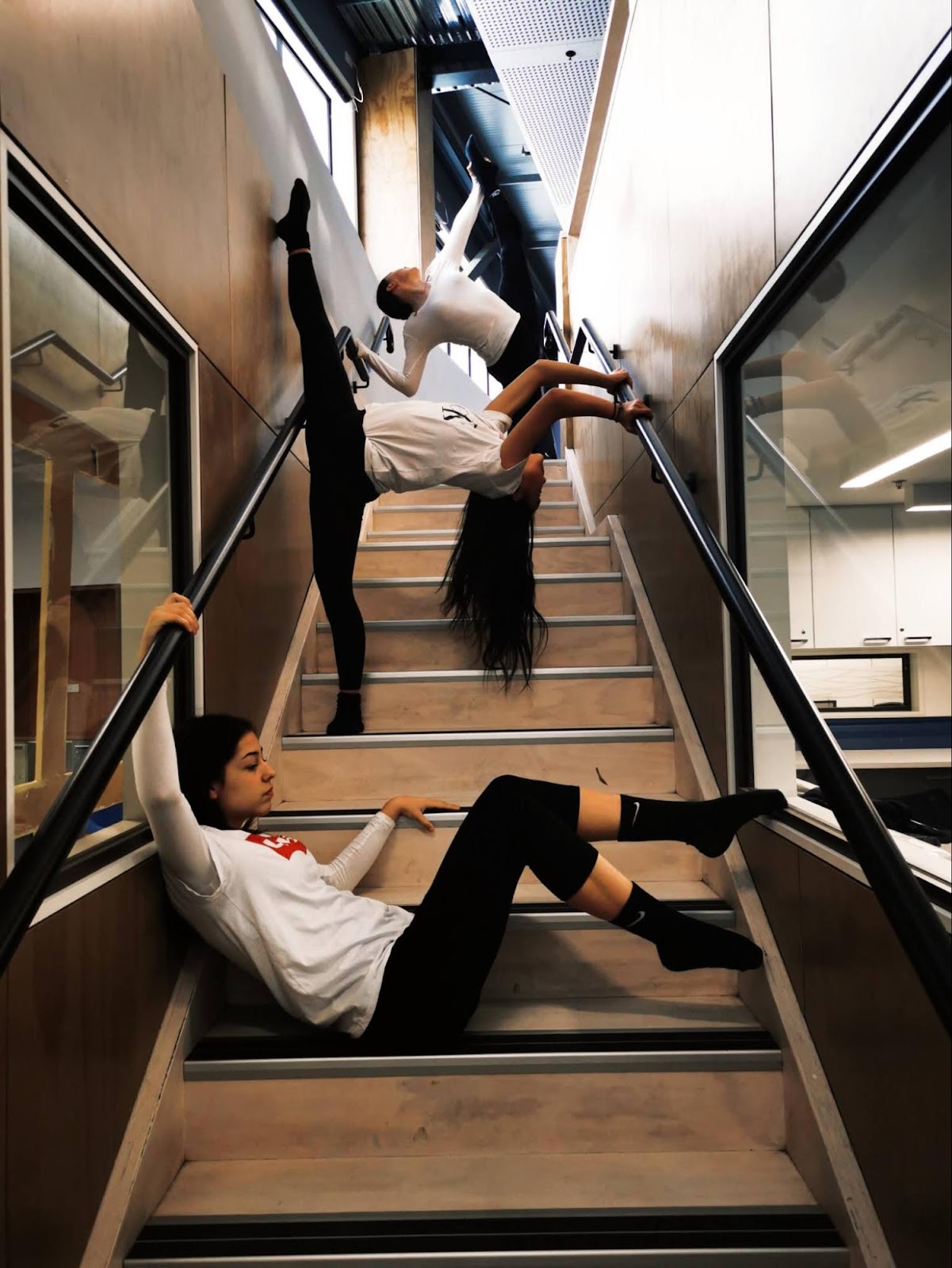
Y10DANC1Dance for life! Dance builds fitness, flexibility, and confidence, and encourages self-awareness and cultural expression.
Students who have a passion for dance, are interested in being imaginative and creative and enjoy learning practical skills, should take this course. The course develops self-management and interpersonal skills, builds communication and numeracy skills, and encourages creativity. This course also develops strong collaboration skills. Year 10 Dance leads on to NCEA Dance across Levels 1, 2, and 3 (Which is a University Entrance, UE, approved course).
Topics included in Year 10 Dance:
- Different dance styles
- Elements of dance
- Choreography
- Performance techniques
Dance students are welcome to make it a full-year course by selecting both this course and Year 10 Dance 2


A: Year 10 Drama 1
Y10DRAM1Year 10 Drama at Kaiapoi High School is where creativity meets confidence. Whether you’re new to the stage or already love performing, this course is packed with exciting opportunities to build your acting skills, work with awesome people, and have a whole lot of fun!
Drama is for everyone, not just those who want to be actors. Drama creates confident, well-rounded, creative learners who relate well to others.
Drama students are welcome to make it a full-year course by selecting both this course and Year 10 Drama 2
Ready to laugh, create, explore and perform? You'll get to:
- Put a modern spin on fairy tales (devising)
- Compete in fast-paced improvisation Theatresports games
- Create hilarious infomercials / commercials
- Dive into dramatic characters from plays like Blood Brothers and Niu Sila (Childhood acting unit)
- Learn the art of clowning or go full drama queen in melodrama (Theatre Form)
- Write your own scripts
- Design cool costumes
- Explore the stories and meaning behind live theatre

At Kaiapoi High School, Drama is more than just performing on stage — it’s a powerful tool for developing life and career-ready skills. Whether your child dreams of the spotlight or not, Drama helps them grow into confident, capable, and creative young adults.
Here’s what Drama builds:
- Confidence & Communication: Through performance, students learn how to speak clearly, think quickly, and present themselves — essential skills for interviews, leadership roles, and all kinds of public interaction.
- Teamwork & Empathy: Drama is all about working with others, listening, supporting peers, and understanding different perspectives — skills highly valued in any workplace.
- Creative & Critical Thinking: Students explore new ideas, problem-solve in real-time, and adapt to changing situations — preparing them for innovative careers in a fast-changing world.
- Self-Management & Resilience: From rehearsing lines to performing in front of peers, students develop discipline, perseverance, and the ability to handle feedback — key qualities for long-term success.


A: Year 10 Music 1
Y10MUSP1Welcome to Year 10 Music at Kaiapoi High School! In this exciting Year 10 course, students will continue on a journey through the diverse landscape of musical expression, discovering the power of sound to inspire, evoke emotions, and shape cultures. Through engaging activities, hands-on experiences, and interactive learning, students will develop a deep appreciation for music while honing their creative and technical skills.
Students are welcome to make it a full-year course by selecting both this course and Year 10 Music 2
Year 10 Music uses the four strands of the curriculum to guide the content covered in class:
Performance: In Year 10 we continue down the pathway to becoming performers and students are expected to have had some experience with an instrument, however, those without experience will be supported to develop their skills to engage in performance alongside their classmates. Students are put into small groups to perform in front of their classmates as a band at the end of each term. This is an awesome way to build confidence around performance without having the pressure of being on stage for a big performance, however, if a student wishes to, they can be involved in any of the concerts held here at the KHS auditorium at the end of each term.
Composition: In this strand, students will exercise their imagination and creativity while learning to use music creation software such as Bandlab and Soundtrap to create their compositions. They will learn about the elements and features of music, how to implement them into their compositions, and how to input their ideas into music software. The element of music technology implemented here also sets the students up well to look into options around music technology education, such as our Sound Recording class in the senior school.
Art Context: In this strand, students will explore a range of musical genres and styles, and start to make connections between music and culture. Through active listening, critical analysis, and reflective discussions, students will deepen their understanding of musical concepts, techniques, and cultural contexts while developing their ability to articulate their interpretations and reactions to music. Students will engage with traditional Māori music through learning about traditional instruments, their whakapapa, and pūrākau, as well as traditional song forms. This strand is all about creating well-rounded musicians in Aotearoa.
Knowledge: In this strand, students will delve into the fundamental elements of music theory. Students will engage with the building blocks of music in a relevant way to gain insights into the inner workings of music and learn how these theoretical concepts relate to the practical elements of engaging with music.
Why Choose Music in Year 10:
• Creative Expression: Whether composing original pieces or performing popular songs, students have the opportunity to express themselves creatively and develop their own unique musical identity.
• Collaboration and Teamwork: Through ensemble performances and group projects, students learn the value of cooperation, communication, and collective expression while building strong bonds with their peers.
• Cultural Appreciation: Explore the rich diversity of musical traditions within Aotearoa, gaining insights into culture, history, and perspectives through the universal language of music.
• Engaging and Interactive Learning: From hands-on instrument practice to multimedia presentations, this course is designed to captivate students' interest and foster a lifelong love of music.
• Personal Growth: Develop essential skills such as discipline, perseverance, and self-confidence, as students overcome challenges, set goals, and achieve musical milestones on their journey of musical discovery.
• Kaiapoi High School has a large range of itinerant instrument lessons available free of charge to students. Music students have priority over these lessons, so the best way to secure one of these lessons is to take music!
A: Year 10 Visual Art
Y10ARTVThis is a hands-on, practical, and creative class that enables you to develop your own ideas and subject matter, while utilizing the study of real artist models.

B: Year 10 Digital Technology
Y10TCDGIn today's society, proficiency in digital technology is essential. The Year 10 Digital Technologies course is designed to support students in becoming innovative, reflective, and critical thinkers capable of designing new models, products, software, systems, and tools that benefit people while considering their cultural, ethical, environmental, and economic impacts.
This course integrates various disciplines within digital technologies, preparing students for a broad range of tertiary or employment pathways. Students will engage in project-based learning, developing skills in areas such as programming, web development, digital media, and systems design.

B: Year 10 Food Technology
Y10TCFDThis course is designed to take your basic cooking skills to the next level, immersing you in the exciting technological process behind designing and developing innovative food products. You'll gain practical experience through hands-on projects that guide you through every step, from initial concept and planning to rigorous testing and careful refinement of recipes.
Throughout the year, you'll learn to tailor your creations for diverse target audiences and a variety of occasions, ensuring your dishes are not only delicious but also fit for purpose. Whether you're passionate about food or simply looking to enhance your kitchen prowess, this course offers a fantastic opportunity to build confidence, spark your creativity, and truly express yourself through the art of cooking.

B: Year 10 Hard Materials Technology
Y10TCHDThis course offers students the opportunity to design and make products using different technologies. This course combines the use of the design process and language, along with an emphasis on correct methodology, systems, and processes. An emphasis is placed on the correct use of hand tools and selected machinery.


Year 10 Business Studies
Y10BUSSThis course will enable students to learn good money management skills, as well as a range of valuable life skills to help them positively in the future with their financial goals. Students will learn ways to earn money and about the costs of living, as well as the consequences of poor decisions. Students will use Banqer, which is an online financial real-world simulation game/tool.
Students will also study a range of New Zealand businesses and entrepreneurs in this course to gain knowledge of local businesses and success stories!
Year 10 Chinese: Mandarin: Full Year
Y10CHINNi hao 你好,
Mandarin is a global language spoken by more than one billion people. Year 10 Chinese focuses on developing communication skills and cultural competence in a supportive and inclusive environment.
Language Skills: Build fluency and confidence through interactive practice focusing on real-life vocabulary, correct pronunciation, and useful sentence structures.
Cultural Connection: Engage with Chinese heritage through hands-on activities like calligraphy, paper cutting, Chinese crafting and preparing cultural foods.
Beyond the Classroom: Connect with the wider community through trips to the Rewi Alley Museum, University of Canterbury Confucius Institute workshops, and regional/national competitions.
Come learn Chinese! It is an incredibly fun, mind-expanding journey that opens doors to a vibrant global culture, builds brainpower, and gives you an exciting skill that will truly set you apart in the future.


Year 10 Civics and Society - Classical Studies
Y10CLSTThis course offers students the opportunity to delve into the Classical World of the Ancient Greeks and Romans and learn about their rich and diverse cultures.
Students will look at the lasting influence of the Classical World on Western culture, as well as the parallels to Māori tikanga and culture. Topics covered may include the Olympian gods, mythology, history, art and architecture, lifestyles and politics of these ancient cultures. This course aims to look at the great achievements of this time period and the significance of these triumphs in our world today.
Skills learned in this course will help prepare you for success in a wide range of Level 1 subjects.
Year 10 Creative Art
Y10ARCRWant to take your art off the page and into the real world? This is a fully hands-on course where you get to design and build awesome 3D artworks and sculptures. You’ll start with your own original ideas, experiment with technique, and bring ideas to life as finished pieces.
Why Choose This Course?
If you love making things, thinking outside the box, and getting your hands a little messy, this course is for you. It is also the perfect way to lock in your skills and get a head start for Level 1 Arts courses!

Year 10 Dance 2
Y10DANC2If you have also chosen - A - Year 10 Dance 1 and wish to study Dance for the full year, select this course.
Year 10 Digital Art
Y10ARTDThis course offers a varied programme for students who are interested in learning Digital Art skills - Photography, Design, Illustration and Animation.

Year 10 Drama 2
Y10DRAM2Double up! If you have also chosen - A - Year 10 Drama 1 then select this subject too and make it a full year course.
Year 10 English
Y10ENGLThe Year 10 English course will further build on students' core language and thinking skills through exposure to a range of literature. Students will develop their ability to critically evaluate texts and make judgements on the validity of the ideas being communicated through these.
Students will develop their understanding of how language features can be used for effect in both formal and creative contexts. They will practise recognising these features in texts, as well as using them in their own writing. Students will also continue to build on their skills in grammar, spelling, punctuation and vocabulary use.
Students in Year 10 English will be expected to read independently for at least 10 minutes per day outside school time.
This is a core subject and will be added to your timetable automatically.
Year 10 Food and Nutrition
Y10FDNUDuring this course, ākonga will learn important food safety and hygiene practices which will be supported with one practical lesson a week.
Ākonga will also explore healthy food choices and their effects on well-being, investigate the relationship between food and culture within Aotearoa and around the world, and analyse the barriers and enablers for a healthy lifestyle.
Year 10 Health & Physical Education
Y10PHEDIn Physical Education and Health, the focus is on the well-being of the students themselves, of other people, and of society through learning in health-related and movement contexts.
This is a core subject and will be added to your timetable automatically.
Year 10 Literacy Studies
Y10LITSLiteracy is a half-year course that best prepares students for success in the compulsory NZQA Literacy (Reading and Writing) Co-requisite assessments. To gain NCEA at any level, students must gain these Co-requisites.
The course will focus on developing skills in reading and writing, as well as fostering an understanding of purposes and audiences, language and structure. These skills are essential for succeeding in the co-requisites and future NCEA assessments.
The functional skills developed in this course will benefit ākonga in an array of areas, both inside and outside the classroom.
>> Students will be placed into this class if we think they could benefit from additional Literacy and Numeracy support in order to pass these compulsory examinations. Year 10 students at Level 4A and above on the E-asTTle Reading tests will sit these Literacy Co-requisite examinations during the year. There will be two opportunities to sit these: one in Term Two and one in Term Three. If you are placed in Literacy, you will be contacted to let you know.
If placed into Literacy, this subject will replace one of your chosen options.
Year 10 Mathematics
Y10MATHIn Year 10 Mathematics, you will explore all key strands of the subject: Number (Mātauranga tau), Algebra (Taurangi), Statistics (Tauanga), Measurement (Ine), Geometry (Āhuahanga), and Probability (Tūponotanga). Learning will take place through a mix of group work, self-directed online study, and traditional classroom methods.
The course is designed to support students in reaching Level 5 and above of the New Zealand Mathematics Curriculum. Your performance in Year 10 will help determine your future Maths pathway in the Senior School.
You will need a scientific calculator with a fraction key and a ruler. Assessment will include tests, problem-solving activities, and assignments.
This is a compulsory core subject and will be automatically included in your timetable.
Year 10 Media Studies
Y10MEDSOne of the most popular courses at Kaiapoi High – and for good reason!
Do you enjoy films and TV series, YouTube, or TikTok? Want to know how your favourite stories are made, and how to make your own? In Year 10 Media & Film Studies, you'll step behind the scenes and into the director’s chair.
This course is all about creativity, storytelling, and media that matters. You'll explore blockbuster films, amazing TV series, viral videos, and iconic moments in pop culture, while learning how media shapes the way we think, feel, and see the world. You'll also get hands-on with cameras, editing software, and production techniques to create your own short films, trailers, or awesome music videos!.
This course gives you the tools to create, critique, and be heard.
What to expect:
- Learn the secrets behind great visual storytelling
- Create short film clips or music videos
- Analyse awesome films and trending media
- Work in teams, develop creative ideas, and level up your editing skills
- Build confidence and communication skills
This course is really popular – because it’s fun, relevant, and seriously cool. Don’t miss your chance to join one of the most exciting courses at Kaiapoi High!

Year 10 Music 2
Y10MUSP2Double up! If you have also chosen - A- Year 10 Music 1 then select this course too and make it a full year course.
Year 10 Numeracy
Y10NUMRThis half-year course focuses on the skills required for the compulsory Level 1 Numeracy Co-requisite exam. Students must pass this co-requisite to gain NCEA at any level.
Students will be placed into this class if we think they could benefit from additional Numeracy support needed to pass this compulsory examination. Year 10 students at Level 4A and above on the E-asTTle Reading tests will sit these Literacy Co-requisite examinations during the year. There will be two opportunities to sit these: one in Term Two and one in Term Three.
If you are placed in Numeracy, you will be contacted to let you know. Numeracy will replace one of their chosen options.
Year 10 Outdoor Education
Y10ODEDA fast-paced modular course that develops students' skills in a wide variety of adventurous outdoor activities.
This is a course for students who enjoy getting out of the classroom and wish to be involved in practical activities which can be both mentally and physically challenging. Students will be involved in activities with genuine risks and must take responsibility for managing their safety and that of their peers.
Year 10 Science
Y10SCIEStudents build upon the foundational skills developed in Year 9, further enhancing their scientific understanding, inquiry skills, and critical thinking abilities through the following processes.
Hypothesis Development
Experimental design
Data collection and recording
Data analysis, interpretation, and evaluation
Develop scientific vocabulary, research skills, and scientific writing
Collaborative skills.
This is a core subject and will be added to your timetable automatically.
Year 10 Social Studies
Y10SOSTThe Social Sciences learning area equips students with historical, geographical, economic, political, and financial knowledge of New Zealand and the world. Students learn about the diverse communities of New Zealand, including Māori history and contemporary Māori communities. They learn how democracy operates in New Zealand and the practices of civic participation and engagement.
This is a Core Subject and will be added to your timetable automatically.
Year 10 Sports Performance
Y10SPPEThe aim of the Year 10 Sports Performance course is to provide students with the ability to pursue improvement in their sporting performance within a chosen sporting area. Students will receive high-quality instruction and coaching from qualified staff.
Sports Performance will have a mix of practical and theory-based work. Students are expected to be organised with the correct equipment/resources for each lesson.
Year 10 Te Ao Māori 1
Y10MAOR1Students who are passionate about continuing their Te Ao Māori journey are warmly encouraged to make it a full-year subject by selecting both this course and Year 10 Te Ao Māori 2
This course builds on the foundations laid in Year 9, continuing the journey of learning Te Reo Māori, Kawa, Tikanga and Te Ao Haka in a warm, inclusive, and culturally rich environment.
Through interactive activities, group kōrero (discussions), and everyday language practice, ākonga (students) will grow their confidence in using Te Reo Māori. They’ll deepen their understanding of vocabulary, sentence structure, pronunciation, and useful phrases that connect to real-life situations and cultural contexts.
This course is perfect for beginners or those with a little knowledge already — everyone is welcome, no matter your background. We encourage whānau to be part of this learning journey too, as we explore the beauty and significance of Te Reo Māori in Aotearoa and within our communities.
Choosing this course supports your tamaiti not only in language development, but also in strengthening their sense of identity, belonging, and connection to te ao Māori.
Haere mai – come and be part of this exciting journey!
Year 10 Te Ao Māori 2
Y10MAOR2This course builds on the foundations laid in Year 9, inviting your tamariki to continue their journey learning Te Ao Māori in a supportive and culturally rich environment.
If you have completed the Year 10 Te Ao Māori 1 course, there is flexibility for you to investigate an aspect of Te Ao Māori which is of particular interest to you. For example, Pepeha, Whakapapa, Powhiri, Mōteatea, Karakia, Waita ā ringa.
Students will explore basic vocabulary, sentence structure, pronunciation, and everyday phrases, all while connecting deeply with Māori culture and tikanga. Through engaging activities, group discussions, and hands-on practice, your tamariki will develop their confidence and acquire the skills to use Te Reo Māori, embracing Te Ao Māori in their daily lives.
Whether your child is a beginner or has some prior knowledge, this course is designed to be welcoming and inclusive for all. It’s a chance to strengthen their identity and connect with the language and stories that shape Aotearoa.
Learning Te Reo Māori me ōna Tikanga not only enriches communication skills but also opens a window into Māori culture and New Zealand’s history—offering your child a meaningful connection to our shared heritage.
Subjects for Year 10 Students
Approach Level Outdoor Education (Level 1 or 2)
L2ODEDOutdoor Education is a popular subject at Kaiapoi High School. This course involves theory and practical activity assessment (during and after school), and multi-day overnight trips. Activities include;- Tramping, Camping, Rock Climbing, Abseiling, Environmental Action, Trail Biking and First Aid.


Level 1 Automotive
L1AMIS


This course would be suitable for students who wish to explore a career in the automotive industry. It will focus on theory units about the industry, including safe driving, driver licenses, and some basic practical skills, such as wheel changing and pre-drive checks.
Level 1 Chinese: Mandarin
L1CHINNi hao 你好,
NCEA Level 1 Chinese builds directly upon the linguistic and cultural foundations developed in junior Chinese. This course is designed to deepen students' communication skills and elevate their confidence in using Mandarin in a variety of authentic, real-world contexts.
Through an interactive and engaging curriculum, students will explore the rich diversity of Chinese culture while mastering the four core language strands: Listening, Speaking, Reading, and Writing.
Learning Level 1 Chinese continues to be a vibrant, hands-on experience, learning through interactive classroom projects, cultural immersion activities, and opportunities to engage with the wider Chinese-speaking community.


Level 1 Classical Studies
L1CLSTLevel 1 Classical Studies is an introductory course designed to engage student's interest in the world of Ancient Greece and Ancient Rome.
In Level 1 Classical Studies, students will look into these two cultures and look at similarities or parallels between Te Ao Māori. We will focus on Greek mythology and legends with a focus on creation stories and the Greek gods. We will also look into the Art and Architecture of the Ancient world and study a key figure during these times.
There will be multiple opportunities in this course to look at parallels between other cultures around the world and Aotearoa's unique culture. The skills learned in this course will lead students into almost any other course as Classical Studies is an interdisciplinary subject.
Level 1 Commerce
L1COMMNZQA has merged three previous level one subjects (Business Studies, Economics & Accounting) into one course called Commerce so students can get a taste of all three areas before getting more specific in NCEA Level Two.
Commerce is the use and exploration of accounting, economic, and business concepts and models to make sense of society and solve problems. In this subject, ākonga will build the knowledge, skills, and values they need to navigate and participate in the economic world. They will learn how participants in the economic world make decisions, and they will analyse how these decisions impact sustainability.
Ākonga will learn that decision-making is necessitated by scarcity and that decisions are informed by a variety of cultural perspectives and lenses. Learning and assessment will examine Māori, Pacific, and different approaches to commerce, and business models from whānau and organisation contexts.


Level 1 Dance
L1DANCLevel 1 Dance is designed to introduce students to a variety of genres, dance performances, and choreographic processes. Students will also have the opportunity of attending live performances, participate in dance workshops with dance companies, and develop their ability to analyse and interpret a professional dance performance.
Dance is a lot of fun and very hands-on. It demands much creative thinking, physical endurance, and time spent, both in and out of class, creating and rehearsing for performances.
Dance is embodied cognition
Dance supports ākonga to develop relational skills they can take beyond the learning environment, such as collaboration, communication, teamwork, and problem-solving.
Dance nurtures whanaungatanga
Dance is a way of strengthening relationships. Personal experiences and identities are valid and valued components of learning in Dance, which supports whanaungatanga. Working as a collective emphasises core values of fa'aaloalo/faka’apa’apa, aro’a, tautua, and kuleana, which nurture vā in learning spaces. These values are fundamental to positive learning experiences.
He atua, he tipua, he tangata — dance is a descendant of culture
Dance is always evolving as innovations develop from or alongside dance forms and practices. Dance can be seen as a social and historical artefact reflecting the culture from which it descends. Students will also develop confidence and a deeper awareness of their own identities. Dance is an embodied language.


Level 1 Digital Art
L1ARTDLevel 1 Digital Art is an exciting, hands-on course where students explore the foundations of digital creativity while developing their own unique visual style. This course introduces students to digital photography, graphic design, illustration, and zine-making, all while learning to communicate ideas visually and build confidence with creative tools.
You’ll learn how to take effective photographs, edit images, create design layouts, and experiment with both digital and hand-drawn illustration techniques. Projects are structured around a central theme of Tūrangawaewae, giving you the freedom to explore ideas that are personal, relevant, and meaningful.
This course is perfect for students who enjoy being creative and are curious about how art and design work in the digital world. It also provides a strong foundation for further study in L2 Design and Illustration, and Photography.
What you’ll learn:
- Basics of digital photography and photo editing
- Introduction to graphic design and layout
- Illustration techniques (digital and hand-drawn)
- Zine creation and visual storytelling
- Creative thinking and personal expression
- How to plan and develop a portfolio in response to a theme

Level 1 Digital Technologies
L1TCDGWelcome to Level 1 Digital Technologies! This course is designed to equip you with foundational skills in computer programming, web development, and user interface design. Throughout the year, you will engage in hands-on projects to create digital outcomes and develop a strong understanding of how humans interact with technology. This course could also contain digital product design, Game Development and Web Development.


Level 1 Drama
L1DRAMIn Level 1 Drama you are introduced to a world where artistic and creative abilities flourish, and where you will gain a profound understanding of yourself and the world around you. You'll master acting and staging skills, all while exploring a variety of captivating texts and contexts. This hands-on, fun-filled course encourages you to devise, interpret, analyze, and evaluate diverse dramatic forms and styles.
Expect to engage in creative thinking and spend plenty of time both in and out of class, perfecting your performances.

Drama Big Ideas:
Titiro whakamuri, kōkiri whakamua: Drama is influenced by whakapapa and is a way to respond to and share identity, culture, and perspectives
Mā whero, mā pango, ka oti ai te mahi: Drama is a collaborative, creative process.
Poipoia te kākano kia puawai: Drama communicates through storytelling and creative expression to nurture and nourish people.
Te whāriki kia mōhio ai tātou ki a tātou: Meaning in performance is created through whanaungatanga.
Why Choose Drama? A Smart Step Toward Your Child’s Future ????
At Kaiapoi High School, Drama is more than just performing on stage — it’s a powerful tool for developing life and career-ready skills. Whether your child dreams of the spotlight or not, Drama helps them grow into confident, capable, and creative young adults.
Here’s what Drama builds:
- Confidence & Communication: Through performance, students learn how to speak clearly, think quickly, and present themselves — essential skills for interviews, leadership roles, and all kinds of public interaction
- Creative & Critical Thinking: Students explore new ideas, problem-solve in real-time, and adapt to changing situations — preparing them for innovative careers in a fast-changing world.
- Self-Management & Resilience: From rehearsing lines to performing in front of peers, students develop discipline, perseverance, and the ability to handle feedback — key qualities for long-term success.
- Teamwork & Empathy: Drama is all about working with others, listening, supporting peers, and understanding different perspectives — skills highly valued in any workplace.
Career relevance? Absolutely. Drama supports pathways into:
- Film, TV, theatre and media production
- Event management, advertising and marketing
- Law, teaching, journalism, counselling, and public service
- Any career needing confident, clear communication and strong interpersonal skills
At Year 11, Drama at KHS is designed to be inclusive, flexible, and responsive to each class.
Invest in your future confidence, creativity, and communication — Drama is a smart choice.
Level 1 English General
L1ENGLEnglish is compulsory at Level 1. For most students, this general English course will be the appropriate choice. However, students who really enjoy literature and want to experience a broader range of texts, including some Shakespeare, may want to consider applying for the English Literature course.
Students who really struggle with reading and writing and who need to focus their efforts on gaining the Literacy co-requisite examinations will benefit from joining the English Skills course. Your teacher will advise you if this is the best option for you, and can change your timetable later in the year to the English Skills course if necessary, there is nothing further you have to do right now.
Level 1 English General covers a range of learning activities focused on communicating and interpreting ideas. Students will explore language and think critically about language and literature. Tasks include reading, writing, speaking, viewing, researching and connecting ideas.
Level 1 English Literature
L1ENLTLevel 1 English Literature is an English course that students can choose as a replacement for Level 1 English General. This course is aimed specifically at students who enjoy engaging with literature and would like the opportunity to explore this further. Students will read literature in a range of forms and styles, including Shakespeare, and write in different genres.
This course covers a range of learning activities focused on interpreting and communicating ideas. Students will explore language and think critically about language and literature. Tasks include reading, writing, speaking, viewing, researching, and connecting ideas.
Level 1 English Skills
L1ENSKLevel 1 English Skills is an English course that can act as a replacement for General English. This course is tailored specifically for students who legitimately struggle with reading and writing and for whom the main focus is to gain the Literacy co-requisite credits.
Students in Level 1 English Skills will focus on preparing for the Literacy exams by learning about how we use language to communicate ideas in writing. Students will practice writing for different purposes and work on understanding ideas presented in a range of written forms. There will also be the opportunity for students to attempt up to two English achievement standards if they are ready for this.
Level 1 Food and Nutrition
L1FDNUThis course gives students lifelong practical skills in the kitchen. This course focuses on factors, influences, strategies, and decision-making in a Food and Nutrition context. Students will deepen their understanding of a range of topics, including how nutrition influences hauora, home-made vs processed food, healthy cooking alternatives and reviewing the eating patterns of a student athlete. Models of health are a key underlying concept with students building on their knowledge from junior Health and Physical Education, and Food and Nutrition.
This course equips ākonga with the tools to think critically while also developing lifelong skills to help them in making health-enhancing decisions for themselves, others, and society.
Level 1 Geography
L1GEOGGeography focuses on the relationship between people and the environment. This is a practical, real-life course, which can lead on to Levels 2 and 3 Geography and Tourism. It is also a subject that opens further careers beyond school as well as university study.


Level 1 Health Education
L1HEALThis course builds on the knowledge ākonga gained in years 9 and 10 of Health Education. Students will deepen their understanding of a range of topics including drugs and alcohol, mental health, sexuality, and broadening their knowledge about models of health. In addition to this, through interactive discussions, case studies, and practical applications, students will analyse societal and individual factors that influence health, while also exploring contemporary issues relevant to youth in society, such as social media, peer pressure, and vaping.
This course equips ākonga with the tools to think critically while also developing lifelong skills to help assist them in making health-enhancing decisions for themselves, others, and society.
Level 1 History
L1HISTUnlock the Past: Explore World War II, Dictators, the Black Civil Rights Movement, and the Cold War in Our History Class!
Step into the fascinating world of history and embark on a journey through some of the most pivotal moments in human civilisation. In our captivating history class, you'll delve into the causes of World War II with a focus on dictators, unravel the struggles and triumphs of the Black Civil Rights movement, and navigate the complexities of the Cold War. From global conflicts to social justice movements, each topic offers invaluable insights into the forces that have shaped our world.
History is not merely about memorising dates and events; it's about grappling with the complexities of the human experience, learning from the past, and shaping a brighter tomorrow. As philosopher George Santayana famously said, "Those who cannot remember the past are condemned to repeat it."


Level 1 Hospitality
L1HOSPStudents who are interested in food, cooking, or exploring a future in the hospitality industry will enjoy this hands-on introduction to working in a commercial kitchen.
The course covers essential practical skills such as safe knife handling, food safety and hygiene, and how to prepare and cook eggs, cheese, fruit, baked goods, and hot finger foods using frying and grilling methods.
Students cook for two full periods each week. Some of the food prepared will be used for school events or sold, so not all dishes will be consumed by the students themselves. This encourages a focus on producing food at a professional, retail-ready standard.
This course provides a strong foundation for part-time employment opportunities in cafés or kitchens and leads into Level 2 Hospitality.


Level 1 Mathematics
L1MATHMathematics is compulsory at Level 1. For most students, this Level 1 Maths course will be the appropriate choice. However, students who struggle and who have not yet attained the Numeracy co-requisite will benefit from requesting entry to the Level 1 Numeracy course.
Level 1 Mathematics is recommended for students who have a strength in algebraic thinking and/or who wish to open pathways to careers such as Engineering or Architecture. This course progresses to Level 2 Mathematics and involves the foundation skills for Level 2 Mathematics, Calculus, and Statistics.
Level 1 Media Studies
L1MEDSWelcome to Media and Film Studies, where creativity meets critical thinking.
This course is designed for students who are passionate about exploring the multifaceted world of media, from blockbuster films to viral social media trends. Dive deep into the art of storytelling, analyse influential media texts, and gain hands-on experience in creating your own media projects. Explore the fascinating topics of representation and the importance of an ethical media world, and understand how these elements shape our society and cultural perspectives.
Media and Film Studies is not just a course; it’s a journey into the heart of storytelling and media creation. Whether you aspire to be a content creator for a company or business, a media commentator, or simply want to understand the world of media better, this course offers the tools and inspiration you need.

Level 1 Metal Technology and Engineering
L1TCMTThis course is an engineering-based, industry standards course, and is designed to be delivered in school workshops using pre-moderated teaching and learning materials and requires practical projects from students.
The projects provide students with the opportunity to learn a range of practical engineering skills and techniques. Each of the engineering projects encompasses the tools, material requirements, competency, and knowledge outcomes listed in the qualification unit standards and provides a practical and stimulating experience for students.


Level 1 Music and Taonga Pūoro
L1MUSPDiscover your musical voice while exploring both contemporary music and the rich traditions of taonga pūoro. Whether you're a singer, instrumentalist, songwriter, or interested in the sounds and stories of te ao Māori, this course offers a unique introduction to music in Aotearoa.
All students begin by exploring the whakapapa of sound through the stories of ngā atua Māori and investigating music within cultural and historical contexts. From there, students follow one of two pathways.
The Music pathway focuses on developing skills in performance and composition. Students will perform music and create original compositions.
The Taonga Pūoro pathway focuses on traditional Māori instruments and mātauranga Māori. Students will learn about significant practitioners, construct their own instruments from natural materials, and develop performance skills using taonga pūoro to express stories and connections to te taiao.
Students will have access to free instrumental lessons and a range of performance opportunities throughout the year. Level 1 provides a strong foundation for further study in either the Music or Taonga Pūoro pathways at Level 2.


Level 1 Numeracy
L1NUMRThis course is designed as a supported learning course for those students who have not yet obtained the Numeracy Co-requisite in Year 10. Students will be chosen for this course, and then Parents/Caregivers and students will be notified that this course will deliver the appropriate support for the student. This decision is based on their overall achievement in the Year 10 Numeracy Assessment.
This course does not lead directly to any Year 12 Mathematics and Statistics courses, however, students can go on to take Level 1 Mathematics, and having the Numeracy Co-Requisite enables them to go on to earn NCEA Qualifications at levels 1, 2, or 3. Attaining the Numeracy Co-Requisite will open up other courses to the student that require it as a prerequisite for entry.
Level 1 Physical Education and Sports Science
L1PHEDThe main focus of this course is to equip students with the necessary skills to maintain and develop their personal wellbeing, both now and in the future, as well as prepare them for future academic and job opportunities.
This course offers ākonga the opportunity to experience and participate in a wide range of physical activities in a variety of contexts such as Kī o rahi, Volleyball, Ultimate Frisbee and Korfball. Ākonga will explore how movement is essential to hauora, how participation enriches lives, and how movement can develop diverse capabilities. Ākonga will learn about influences on personal movement as well as movement contexts in Aotearoa. They will explore movement strategies in a variety of settings and understand kotahitanga through participation in group activities.
Level 1 Science
L1SCIEScience is about people exploring and investigating their biological, chemical, physical, and technological worlds and making sense of them in logical and creative ways.
This course will enable students to get a good grounding for the study of Science subjects at Level 2 and Level 3 (Biology, Chemistry, Earth Space Science, Physics and Psychology).
Topics include Chemistry, Genetics and Physics. Within each topic, opportunities exist to build the skills of Information Gathering, Interpretation, Processing, and Reporting.
Level 1 Sport and Recreation
L1SPREThis course offers students the opportunity to experience and participate in a wide range of physical activities in a variety of contexts. The course is intended for students who wish to be physically active and who want to manage their own general fitness levels. Students will explore kotahitanga through participation in group activities, games, & sport and will be guided to discover how teams or groups function best together.
The main focus of this course is to equip students with the necessary skills to maintain and develop their personal wellbeing, both now and in the future, as well as prepare them for future academic and job opportunities. The course is an alternative option to the Level 1 Physical Education & Sports Science course, and will have a greater practical element.
Level 1 Te Ao Haka
L1HAKATe Ao Haka is more than just performance – it's a powerful way for our tamariki and rangatahi to connect deeply with te ao Māori through kapa haka, language, tikanga, and storytelling. Rooted in the wisdom of our ancestors, yet open to new expressions, Te Ao Haka evolves with each generation.
This course nurtures pride in culture, language and identity, while celebrating the unique traditions of iwi, hapū, and whānau. Through haka and wānanga, ākonga explore who they are, where they come from, and where they’re heading. It’s a space where history meets creativity, where fun meets purpose, and where every learner is empowered to grow and thrive – both on the stage and in life.
Te Ao Haka places whānau, marae and community at the heart of learning. By weaving together the past, present and future, it fosters a strong sense of belonging and inspires ākonga to reach their full potential – with mana, with joy, and with pride.
Note: Students cannot select Tikanga and Te Ao Haka, as these courses are taught concurrently in a combined class. Students will have a choice to mix Tikanga and Te Ao Haka Unit/Achievement Standards.
Level 1 Te Reo Māori
L1MAORTe Reo Māori – Taumata Tuatahi (Level 1) is the perfect starting point for anyone wanting to begin or continue their journey with the Māori language. Whether you're reconnecting with your whakapapa or just starting out, this course offers a safe, inclusive, and encouraging space for all whānau to grow their confidence and skills in Te Reo Māori.
Together, we’ll explore the beauty and depth of the Māori language—an important taonga of Aotearoa—through the following learning areas:
- Whakarongo – Listening
- Pānui – Reading
- Tuhituhi – Writing
- Kōrero – Speaking
- Whakaatu – Presenting
This course gently builds your ability to understand and use Te Reo in everyday settings. You’ll learn essential vocabulary, sentence structure, pronunciation, and grammar – all while gaining insight into the rich tikanga and cultural values that shape the Māori worldview.
What You Can Expect:
- Fun, interactive lessons focused on real-life language use
- Group activities, role plays, and games to build confidence
- Audio and visual resources to support all learning styles
- Ongoing feedback and support from your kaiako (teacher)
- A learning environment that values whanaungatanga, manaakitanga and ako
Come as you are – all levels of confidence and background are welcome. Join us and take the first step on your haerenga reo, surrounded by others on the same journey.
He waka eke noa – we’re all in this together!
Level 1 Tikanga Māori
L1TIKMJoin us on a journey into the rich world of tikanga Māori – the customs, values, and ways of being that have guided Māori communities for generations. In this Level 1 course, you'll explore the foundations of tikanga and how it shapes relationships, community life, and our deep connection to te taiao (the natural world).
Designed with whānau in mind, this course brings tikanga Māori to life as a living, evolving system that continues to support Māori identity, wellbeing, and ways of working together today. Whether you're reconnecting with your roots or learning for the first time, you'll gain a deeper understanding of what it means to live and breathe tikanga every day.
Note: Students are unable to select Tikanga and Te Ao Haka, as these courses are taught concurrently in a combined class. Students will have a choice of mixing Tikanga and Te Ao Haka Unit/Achievement Standards.
Level 1 Visual Art
L1ARTVUnlock your creativity and discover the world of visual storytelling in our Level 1 Visual Art course. This engaging and dynamic program is designed for students eager to explore their artistic potential and develop foundational skills in various art forms.
Visual Arts enables students to develop:
- Creative Freedom: Embrace your creativity and explore new artistic horizons.
- Skills: Build essential skills in various art forms and techniques.
- Artistic Community: Be part of a vibrant community of like-minded students who share your passion for art.
- Professional Preparation: Lay the groundwork for advanced art studies and creative careers.


Level 1 Wood Technology
L1TCWDThis course is designed as an introduction to the senior workshop giving students a wide range of practical skills and knowledge in the hard materials workshop.
During this course, the students will be working on a number of practical projects and will be introduced to a large variety of hand tools and portable power tools.
There is a huge emphasis on safety and the students will not be starting in the workshop until they have completed the Safe Work Practices standard, U.S. 24352.

Levels 1/2/3 English as a Second Language
L123ESOLThe study of the English language is important for any non-native speaker of English as it builds on key structures and vocabulary that are vital to communicating, understanding, and participating within New Zealand society and abroad.
English for Speakers of Other Languages (ESOL) covers a range of learning and linguistic structures focused on communicating and interpreting ideas through the modes of reading, writing, listening and speaking. Students will explore the English language, discover more about NZ English (accents and common phrases) as well as learning how Te Reo Māori fits into the Kiwi vocabulary.
Assessments and tasks will be tailored to individual students based on ability, need, and academic requirements.
Subjects for Year 11 Students
Approach Level Outdoor Education (Level 1 or 2)
L2ODEDOutdoor Education is a popular subject at Kaiapoi High School. This course involves theory and practical activity assessment (during and after school), and multi-day overnight trips. Activities include;- Tramping, Camping, Rock Climbing, Abseiling, Environmental Action, Trail Biking and First Aid.
Aspiring Outdoor Education and Outdoor Activity Leadership (Level 2 or 3)
L3ODEDThis course builds on knowledge and experience gained during Approach Level Outdoor Education.
This course involves theory and practical activity sessions (during and after school), and multi-day overnight trips. Activities include;- Tramping, Camping, Rock Climbing, Environmental Action, Wilderness Survival, and Activity Leadership.
This course is open to Year 12 students who meet the prerequisites and Year 13 students.

L2 Chinese (Mandarin)
L2CHINNi hao 你好,
NCEA Level 2 Chinese builds directly upon the skills and cultural foundations developed in Level 1. This course is designed to deepen students' communication abilities, allowing them to express more complex ideas, justify their opinions, and use Mandarin with greater confidence in a variety of authentic, real-world contexts.
Through an engaging curriculum, students will explore deeper aspects of Chinese culture, societal trends, and global perspectives while mastering the four core language strands: Listening, Speaking, Reading, and Writing.
Learning Level 2 Chinese continues to be a vibrant, hands-on experience. Students will learn through collaborative projects, cultural immersion activities, and opportunities to connect with the wider Chinese-speaking community. At this level, the focus shifts toward real communication and understanding the nuances of the language.
Level 1 English Skills
L1ENSKLevel 1 English Skills is an English course that can act as a replacement for General English. This course is tailored specifically for students who legitimately struggle with reading and writing and for whom the main focus is to gain the Literacy co-requisite credits.
Students in Level 1 English Skills will focus on preparing for the Literacy exams by learning about how we use language to communicate ideas in writing. Students will practice writing for different purposes and work on understanding ideas presented in a range of written forms. There will also be the opportunity for students to attempt up to two English achievement standards if they are ready for this.
Level 1 Numeracy
L1NUMRThis course is designed as a supported learning course for those students who have not yet obtained the Numeracy Co-requisite in Year 10. Students will be chosen for this course, and then Parents/Caregivers and students will be notified that this course will deliver the appropriate support for the student. This decision is based on their overall achievement in the Year 10 Numeracy Assessment.
This course does not lead directly to any Year 12 Mathematics and Statistics courses, however, students can go on to take Level 1 Mathematics, and having the Numeracy Co-Requisite enables them to go on to earn NCEA Qualifications at levels 1, 2, or 3. Attaining the Numeracy Co-Requisite will open up other courses to the student that require it as a prerequisite for entry.
Level 2 Accounting
L2ACCOAccounting is the process of preparing and communicating financial information to a wide range of users.
The course gives students the tools to make real-life financial decisions in a constantly changing and uncertain world and helps individuals and organisations to be accountable to stakeholders for their actions. In this course, you will develop your understanding of the role of accounting in society as a financial language for businesses, in particular, sole traders.
Students will learn to use Xero, which is used by small businesses, accountants, schools and universities in over 180 countries around the world. Using a global platform means students use real business software to develop real workplace skills while they learn to process business transactions.
Level 2 Art Design
L2ARDELevel 2 Design and Illustration is the perfect starting point for students interested in visual communication, creativity, and digital media. This course introduces you to the exciting world of Graphic Design and Illustration through hands-on projects, creative thinking, and a mix of traditional and digital techniques.
Students who choose to specialise in Graphic Design will learn the basics of layout, composition, colour theory, and typography. You’ll explore how design works in everyday life, from logos and posters to packaging and social media. You will further develop skills in Adobe Photoshop and Illustrator to create your own eye-catching work.
Students who choose to specialise in Illustration will develop skills in drawing and visual storytelling, experimenting with a variety of styles and media. You’ll learn how illustrations can communicate moods, ideas, and messages, and how they’re used in areas like books, advertising, and games.
As part of this course, you’ll choose your own theme that has a positive social influence for a personalised project that runs throughout the year. This gives you the freedom to explore ideas that matter to you while building a body of work for your 2 panel portfolio and developing your creative voice.
Whether you’re planning to continue into Level 3 or just want to grow your design and illustration skills, this course builds a strong foundation for future study and creative pathways.
What you’ll learn:
- Fundamentals of Design and Illustration
- Drawing techniques and creative exploration
- Typography, layout, and branding
- Adobe Creative Suite skills
- Presentation and portfolio development
Students have the opportunity to take their work into a variety of final outcomes, including print, digital, laser cutting, sculpture and 3D printing.


Level 2 Biology
L2BIOLThe traditional view of Biology is that it studies the structure of plants and animals through observation of individual organisms and dissections.
However, modern Biology is also concerned with:
a) Behaviour of Organisms
b) Cell Biology
c) Ecology: the relationship of organisms to the things around them
d) Genetics and Evolution
Level 2 Building
L2BLDGThis course is designed to give students a wide range of practical skills and knowledge in the building industry. While working on these projects, they will be introduced to a large variety of hand tools and portable power tools.
This course will prepare students for a pre-trade course at Ara, or they may even be lucky enough to get into an apprenticeship straight from school.
The programme complements other subjects, such as Gateway, Careers and Ready for Work programmes, work experience, and Young Enterprise.
There is a huge emphasis on safety, and the students will not be starting in the workshop until they have completed Unit Standard 24354 Safe Working.
Students will also have the opportunity to be involved in the Gateway programme, which will enable them to get work experience with a tradesperson one day a week.


Level 2 Business Studies
L2BUSSIn this course, students will create their own small business. They are to come up with a product or service that they will start from scratch and carry out throughout the year with reviews along the way. A great course for students to learn real life skills that can be used in multiple different environments including the workplace. Students will be working in groups so team work and learning to work with other people is a key skill for this class.
Students will also complete market research on their product to validate their idea.
Students will have the option to opt into the Young Enterprise Scheme as a part of this course.

Level 2 Chemistry
L2CHEMChemistry is the study of matter: what substances are made of and how they react with each other. Level 2 Chemistry course is designed to deepen students' understanding of chemical principles and their applications through the use of experiments and theoretical work.
This course is the first serious study of chemistry. Examples of the topics covered are:
- Atomic structure and bonding: types of solids and bonding & energy changes in reactions.
- Quantitative analysis: ways of finding what is present and how much is present
- Organic substances and their reactions.
- Reactivity: types of reactions, properties of reactions; how fast, energy changes, and completeness of reactions.
Level 2 Classical Studies
L2CLSTClassical Studies is a unique subject that allows you to imaginatively live and explore the ancient past. Between them, the Greek and Roman civilisations embody and exemplify humanity’s highest achievements. This course will provide you with the opportunity to learn about the literature, mythology, artwork, society and history of the ancient world.
Classics is a multidisciplinary subject requiring questioning, reading, analysis, and understanding skills that are valued by employers and universities alike.
Level 2 Dance
L2DANCLevel 2 Dance continues to develop students’ ability as performers, as well as strengthen their ability to select and integrate appropriate dance elements and choreographic devices into performance.
Level 2 Dance makes a logical progression from Level 1 Dance, extending students' dance skills and their ability to communicate an idea, mood, emotion, or story through dance.
Students will again enjoy the opportunity of attending live performances, participating in dance workshops with dance companies, and continuing to develop their ability to analyse and interpret a professional dance performance.


Level 2 Digital Skills
L2TCDSWelcome to Level 2 Digital Skills!
This practical course is designed to build your confidence and competence in using everyday digital tools. You will develop essential computing skills that are highly valuable for both the modern workplace and personal organisation.
This course is entirely internally assessed through practical Unit Standards and offers a total of 18 credits.
Note: This year, we are trialing this course as a standalone subject option, subject to student numbers permitting. If enrolment numbers are low, it will be recombined with Digital Technologies (TCDG).
Level 2 Digital Technologies
L2TCDGWelcome to Level 2 Digital Technologies!
Building on your foundational knowledge, this course challenges you to step up and apply advanced techniques in programming, media creation, and digital project development. Throughout the year, you will deepen both your practical skills and your theoretical understanding of core computer science concepts. This course could also contain digital product design, Game Development and Web Development.


Level 2 Drama
L2DRAMIf you loved Drama in Year 10 or 11 — or just want to boost your confidence and creativity — Level 2 Drama is where it gets real (and really fun). This is your chance to step up your acting game, create powerful performances, and dive deeper into what makes theatre tick.
You'll get to:
- Analyse how theatre connects with the real world
- Build characters using legit acting techniques
- Devise your own scenes from scratch
- Explore a cool theatre style from history (and try it yourself!)
- Perform in a full-class production
- Work solo and with a team — onstage and behind the scenes
Drama at Level 2 isn’t just for future actors. It’s for anyone who wants to:
✔ Speak with confidence
✔ Think creatively
✔ Lead, collaborate, and communicate like a pro
✔ Have a blast while learning practical skills that actually matter
Whether you want a career in the arts, media, business, teaching, or just want to get better at being you, Level 2 Drama gives you the tools to shine.
Why Choose Drama? A Smart Step Toward Your Child’s Future
At Kaiapoi High School, Drama is more than just performing on stage — it’s a powerful tool for developing life and career-ready skills. Whether your child dreams of the spotlight or not, Drama helps them grow into confident, capable, and creative young adults.
Here’s what Drama builds:
- Confidence & Communication: Through performance, students learn how to speak clearly, think quickly, and present themselves — essential skills for interviews, leadership roles, and all kinds of public interaction.
- Teamwork & Empathy: Drama is all about working with others, listening, supporting peers, and understanding different perspectives — skills highly valued in any workplace.
- Creative & Critical Thinking: Students explore new ideas, problem-solve in real-time, and adapt to changing situations — preparing them for innovative careers in a fast-changing world.
- Self-Management & Resilience: From rehearsing lines to performing in front of peers, students develop discipline, perseverance, and the ability to handle feedback — key qualities for long-term success.
Career relevance? Absolutely. Drama supports pathways into:
- Film, TV, theatre and media production
- Event management, advertising and marketing
- Law, teaching, journalism, counselling, and public service
- Any career needing confident, clear communication and strong interpersonal skills
Invest in your future confidence, creativity, and communication — Drama is a smart choice.
Level 2 Earth and Space Science
L2ESSCThis course looks at the Earth (Mātai Pūtaiao ā-nuku) and space system (Mātai Kōkōrangi) in a holistic, 'big picture' manner. The goal of the course is to give students an introduction to the Atmosphere, Biosphere, Geosphere and Hydrosphere, and how they interact to produce the climate. Alongside these, it also aims to show how the space system creates the conditions required for the Earth to have ended up developing the way it has and looks at the potential for finding other life out there in the universe.
These concepts are relevant for students interested in Astronomy, Geology, and Hydrology. They are also very useful for students interested in Agriculture, Climate Science, Law and Politics, or simply for those who wish to understand the systems that enable human life on Earth to exist. Other courses, such as Geography and History, match well with Earth and Space Science and may overlap beneficially.
Level 2 Economics
L2ECON

At this level, students will study the issues that result from the market that operates in New Zealand today. They will explore some of the major aspects of our modern economy, such as employment, trade, economic growth, inflation, and inequality. All of these concepts come up regularly in everyday news. This class regularly looks at current events and discusses the economic impacts of these and links these back to classroom content.
Students will be able to define, measure, and understand the causes and identify the effects of these issues. From this, they will look at some of the possible policies that a government may implement to address these issues.
Level 2 English - Classic to Contemporary
L2ENCCLevel 2 English - Classic to Contemporary, covers a range of text types and learning activities. The course requires students to write in a range of styles, explore language, and think critically about the communication of ideas in a range of texts, including film. Students will also complete a research project, write in a range of styles, and complete reading and viewing assessments.
* Please note: this course may be subject to change, depending on the outcomes of the English Curriculum Review.
Level 2 English - Oral & Visual
L2ENOVLevel 2 English – Oral & Visual covers a range of learning activities, offering students the opportunity to build their language and critical thinking skills, with a heavier focus on the communication of ideas through visual and oral texts.
Assessments are taken at a slower pace than in the Classic to Contemporary course. Students have some opportunity to tailor their own assessment programmes, including the mode of assessment in some cases (written, oral, or visual). However, this is still an academic course.
* Please note: this course may be subject to change, depending on the outcomes of the English Curriculum Review.
Level 2 Financial Literacy
L2FINLThis course is designed to help you build a confident and informed relationship with money. You’ll gain practical financial knowledge and skills that you can apply right now and in your future.
You’ll explore how to:
Handle the effect of significant life events on personal income at different life stages;
Analyse tertiary study funding options and potential financial consequences for future choices and responsibilities;
Produce a household budget, set a financial goal and review and adjust the budget to achieve the goal;
Evaluate different personal financial savings and investment options;
Investigate insurance products as financial risk management strategies for personal finances;
Analyse taxation and other deductions relating to personal income.
This course will give you the tools to make smart financial decisions and avoid common money mistakes.
Assessment is through a selection of graded and Level 2 Financial Capability Unit Standards, and it’s a valuable subject for anyone wanting financial independence and success beyond school. Students with high attendance and class participation will have the opportunity to gain up to 17 credits.
Level 2 Food and Nutrition
L2FDNUDuring this course, ākonga will analyse the impact key nutrients have on our bodies, the nutritional needs of teenage athletes, evaluate sustainable food practices in our community, and explore the nutritional issues facing New Zealand families today.
There is a practical component to this course that allows ākonga to practice skills and experiment with various ingredients to create safe, affordable, and nutritious meals. Ākonga will continue to develop the ability to evaluate information, make informed decisions, and use interpersonal skills effectively.
Level 2 Gateway
L2GATEGateway offers Year 12 and 13 students workplace-based learning across many industries and businesses in our local communities. Students complete a career research and planning unit in Term 1 and then start their work placement.
Gateway students spend around 10 days at a work placement during the year and have individual learning plans that allow them to gain new skills and knowledge relevant to their chosen career.


Level 2 Geography
L2GEOGGeography focuses on the relationship between people and the environment. This is a practical, real-life course, which can lead on to Level 3 Geography and Tourism. It is also a subject that opens further careers beyond school as well as university study.


Level 2 Health Education
L2HEALThis course builds on the knowledge ākonga gained in the Level 1 Health Education course. They will deepen their understanding of a range of topics including taking action on well-being, gender and sexuality, and ways to manage change and build resilience.
They will then look at strategies for social justice and ways in which they are able to better look after their own well-being.
This course equips ākonga with the tools to think critically while also developing life-long skills to help assist them in making health-enhancing decisions for themselves, others, and society.
Level 2 History
L2HISTDiscover the Power of the Past: Historical Conspiracies, Antarctica Explorers, Vietnam War, and the Khmer Rouge Await You in Our History Class!
Dive into the heart of history with our captivating class that explores some of the most significant and impactful events of the 19th and 20th centuries. Investigate and examine historical conspiracies, understand the profound implications of the Vietnam War, including the rise and fall of the Khmer Rouge, and investigate Antarctica - the last place to be explored. Each topic offers a unique lens through which to view the past, providing critical insights and fostering a deeper appreciation for the present. Join us and experience history come alive as we explore the triumphs, tragedies, and enduring lessons that continue to shape our world today.
As philosopher George Santayana famously said, "Those who cannot remember the past are condemned to repeat it."


Level 2 Hospitality
L2HOSP
The Year 12 Hospitality course emphasises developing practical kitchen and espresso coffee beverage service skills. It will allow you to experience and participate in activities in various authentic contexts, with a strong focus on strengthening your knowledge of cookery methods, culinary creativity, food safety, and teamwork. It will enable you to gain insight into the hospitality sector and vocational pathways for the future.
Due to the practical nature of the course, students will prepare and cook in a commercial kitchen 2 periods a week. They will also gain experience working in the school C7 Cafe and involvement with community catering activities.
Students will also be encouraged to compete in the ARA Food and Beverage competitions in June.
Level 2 Legal Studies
L2LEGSLegal Studies explores the role of law in society and New Zealand’s laws and legal system. Also, the systems that support the legal system are influenced by cultural, moral, ethical, environmental, political, social, and economic values of the day. Therefore, the course has a broad appeal to many students who care about justice.
Level 2 Legal Studies enables students to:
• Describe the need for the law to accommodate differing viewpoints.
• Develop knowledge of some of their rights and obligations under criminal and civil law.
• Examine the relationships between law and the values and goals of society.
• Relate and apply knowledge of the law to their own lives.
• Understand the need for laws and recognise the constant pressure of law in their lives, and its role in society.
Level 2 Mathematics with Applications
L2MAPPThis Level 2 Mathematics and Statistics course is designed to give students complete flexibility over which standards they study. This course will contain 5 internal standards which will total 11 Credits. An optional opportunity to sit an external standard is available for capable students.
Each student will be on an individualised program and be able to gain credits towards Level 2 NCEA Mathematics.
Level 2 Mathematics with Calculus
L2MATCA major emphasis of the course is on the development and application of Algebra and Graph skills. It extends work done in Level 1 Mathematics in topics such as Algebra and Geometry but also introduces Calculus for the first time.
It aims to prepare students for the study of Mathematics with Calculus at NCEA Level 3 and equip them with the skills to tackle a wider variety of problems in a number of subject areas.
Level 2 Mathematics with Statistics
L2MATSThe course involves using and interpreting data through a series of statistical investigations. The emphasis is on application to practical problems, and the use of computers is required.
It extends work done in Level 1 Mathematics and has a special focus on statistics and probability. It aims to prepare pupils for the study of Mathematics with Statistics at NCEA Level 3 and equip them with the skills to tackle a wider variety of problems in several subject areas.
Note - Any student taking two or more courses that require significant time away from school (such as ODED, Dual Enrolment, or Gateway) may find it difficult to cope with the demands of this course. In this case, entry will be subject to an interview with the HOF of Mathematics.
Level 2 Media Studies
L2MEDSNote: If you have taken Media Studies at Level 1 you can still take Level 2 Media Studies as we sit different standards.
Studying Media equips you with the cutting-edge communication and tech skills essential for thriving in today's job market—whether within the media industry or beyond. Imagine yourself behind the scenes in film and television, or even in the business world your media prowess will set you apart, ensuring you're prepared to meet the demands of the modern workplace with confidence and flair.
From the captivating world of television and cinema to the dynamic realms of radio, podcasts, social media, blogs, and vlogs, Media Studies is woven into the fabric of our daily lives. In today's internet age, where anyone can rise to celebrity status through the savvy use of media, its relevance has never been greater.

Level 2 Metal Technology and Engineering
L2TCMTThis course is an engineering-based, industry standards course, and is designed to be delivered in school workshops using pre-moderated teaching and learning materials. It requires practical projects from students.
The projects provide students with the opportunity to learn a range of practical engineering skills and techniques. Each of the engineering projects encompasses the tools, material requirements, competency, and knowledge outcomes listed in the qualification unit standards and provides a practical and stimulating experience for students.


Level 2 Music
L2MUSPTake your musicianship to the next level through performance, composition, and music related study. This course is designed for students who want to develop their skills as performers, songwriters, composers, and listeners while building confidence and independence as musicians.
Students will have opportunities to perform as soloists and ensemble members, develop original compositions and songs, and deepen their understanding of musical styles, techniques, and creative processes. The course encourages students to explore their own musical interests while refining the technical and expressive skills needed to communicate effectively through music.
Students enrolled in this course have access to free itinerant music lessons and a wide range of performance opportunities both within the school and in the wider community.
This course provides excellent preparation for Level 3 Music, tertiary study, and pathways into performance, composition, recording, music technology, and the wider creative industries.

Level 2 Painting and Printmaking
L2ARPNThis is a very practical, hands-on course. Students will choose painting or printmaking and will develop their ideas and themes over the year, in consultation with the teacher. These are based on the student's interests.
Students will be challenged to explore their relationship with pictorial space, surface, risk-taking, and possibilities, and to take inspiration from established artists’ ideas, methods, and techniques.
Opportunities arise each year for students to publicly exhibit their work and enter competitions.

Level 2 Photography
L2ARPHThis course encourages students to explore, research, and be influenced by established photographers while creating their own photographic style.
Students develop and explore their ideas, themes, context and subject matter over the year, in consultation with the teacher.
Students will learn various techniques, including furthering their aperture, shutter speed, depth of field, lighting, situation-specific photography skills, and digital Photoshop skills.
Opportunities arise each year for students to publicly exhibit their work and enter competitions.


Level 2 Physical Education and Sports Science
L2PHEDThis theoretical and practical course provides background knowledge for all aspects of health and physical well-being. During this course, students will develop an understanding of the different biophysical aspects (including anatomy, skill learning and biomechanics) and apply this to a motor skill.
In addition to this, students will examine a significant sporting event and explore its impact on self, others, and society. This course also offers students the opportunity to improve their physical performance skills and plan an event for the benefit of the wider school community.
Level 2 Physics
L2PHYSLevel 2 Physics is aimed at helping learners understand the physical world in which we live and have a context for the technologies that we use in daily life. This course builds on the foundational concepts introduced in Level 1 and covers a range of topics that deepen students' understanding of physical principles and their applications.
Topics include:
Atomic and Nuclear Physics - a model of the atom, radioactivity, and nuclear reactions.
Electricity and Electromagnetism - Static electricity, DC electricity, and electromagnetism.
Mechanics - Newton’s Laws of Motion, force, motion, momentum, and energy.
Physics Investigation – conduct an experiment that investigates a non-linear physics relationship.
Waves - properties of light and sound waves, reflection in mirrors, and refraction through lenses.
Level 2 Psychology
L2PSYCPsychology is ideal for those students who are passionate about the humanities, the sciences, and how they come together. Students who seek a better understanding of themselves and the people around them in our modern world will find value in Psychology.
This course introduces students to the scientific study of human behaviour and mental processes. It also explores various psychological theories, concepts, and research methods.
Level 2 Ready for Work
L2RFWKThis is a mix of skills and theory-based assessments which aim to build students' confidence and experience regarding employment, work & study skills, social & community skills, self-management, and communication skills.
Students will learn about job seeking, employment processes, workplaces, and the law to increase their knowledge in these areas.
Level 2 Sound, Recording and Production
L2SORCStep into the exciting world of sound and music production! This hands-on course explores the technical and creative aspects of audio technology, giving students practical experience in recording, mixing, and mastering sound. You'll learn the fundamentals of acoustics, develop confidence using industry-standard equipment and software, and gain insight into the role sound plays in live events, media, and music production.
Whether you’re interested in producing beats, mixing for live bands, scoring for film, or running the tech at school events, this course offers a strong foundation in the fast-moving world of sound engineering. Students will gain real-world experience operating the Kaiapoi High School auditorium’s professional sound system, supporting performances such as our end-of-term concerts and other school events.
This course is ideal for aspiring producers, musicians, sound designers, or anyone with a curiosity about how sound works behind the scenes.

Level 2 Sport and Recreation
L2SPREThis course allows students to experience and participate in a wide range of physical activities in various contexts. This course is practical based which underpins the theory the students learn in the classroom. It provides students who select the course the chance to utilise the school facilities, including the weights room and other sporting and training equipment. With a big emphasis on providing students with practical skills, it would benefit students of a physical nature who enjoy sporting activities and the practical aspect of Physical Education.
The course is an alternative option to the Level 2 Physical Education & Sports Science course, and will have a greater practical element.
Level 2 Taonga Pūoro
L2MUTPDevelop your understanding of taonga pūoro through hands-on instrument construction, performance, and exploration of Māori knowledge systems. This course is ideal for students who are interested in Māori culture, traditional arts, environmental storytelling, and creative expression.
Students will construct traditional instruments using natural materials while learning about the whakapapa, tikanga, and historical uses of taonga pūoro. Through performance and creative projects, students will explore the relationship between taonga pūoro, te taiao, and cultural identity.
The course encourages students to engage with mātauranga Māori, develop practical craftsmanship skills, and use sound as a way of expressing stories, ideas, and connections to the natural world.
This course provides a strong foundation for further study in Level 3 Taonga Pūoro and supports pathways into Māori arts, education, performance, cultural leadership, and creative practice.
Note: This year, we are trialing this course as a standalone subject option, subject to student numbers permitting. If enrollment numbers are low, it will be recombined with Music: Performance.
Level 2 Te Ao Haka
L2HAKATe Ao Haka is a vibrant, culturally rich art form that welcomes all ākonga to immerse themselves in Māori language, culture, and traditions. Grounded in Mātauranga Māori, it honours the past while encouraging new ideas and innovation to keep the art alive and evolving.
At Level 2, students step into a space of creativity and exploration. This course encourages tamariki and rangatahi to experiment, innovate, and express themselves with confidence. More credits are given to internal assessments to provide a supportive environment where ākonga can take creative risks without fear – a space that feels safe and familiar.
Through this approach, every learner is empowered to bring out their best, grow their skills, and celebrate their unique journey within Te Ao Haka. It’s a place where tradition meets innovation, and where whānau support plays a vital role in nurturing talent and pride.
Note: Students cannot select Tikanga and Te Ao Haka, as these courses are taught concurrently in a combined class. Students will have a choice to mix Tikanga and Te Ao Haka Unit/Achievement Standards.
Level 2 Te Reo Māori
L2MAOROur Level 2 Te Reo Māori course is designed to support and uplift our tauira as they deepen their reo and cultural understanding. The course aims to help students grow in confidence and competence across key language skills: Whakarongo (listening), Pānui (reading), Mātakitaki (viewing), Kōrero (speaking), Tuhituhi (writing), and Whakaatu (presenting).
Throughout the course, Tikanga Māori will be woven into every aspect of learning, ensuring students not only strengthen their reo but also their connection to culture and identity.
Students will be internally assessed in Whakarongo, Kōrero, and Hangatuhinga, while Pānui and Tuhituhi will be externally assessed.
This is a valuable opportunity for tauira to grow as confident speakers and proud kaitiaki of te reo Māori. We warmly encourage whānau to support and celebrate this journey with us.
Level 2 Tikanga Māori
L2TIKMThis Level 2 course builds on the foundational knowledge gained in Level 1 and invites learners to deepen their understanding of tikanga Māori – the values, customs, and protocols that shape Māori life and identity. Designed for those who are ready to explore tikanga in greater depth, this course focuses on both theoretical knowledge and practical application across a range of cultural and contemporary settings.
Through interactive learning, kōrero, and hands-on experiences, students will engage with key kaupapa including:
- Whakapapa (Genealogy):
Discover the importance of whakapapa as the foundation of identity, belonging, and connection within te ao Māori. - Manaakitanga (Hospitality & Care):
Explore the value of caring for others, showing respect, and fostering community wellbeing in both formal and everyday settings. - Kaitiakitanga (Environmental Guardianship):
Learn how Māori principles guide relationships with the natural world and promote sustainable, responsible care of the environment. - Te Reo me ngā Tikanga (Language and Protocols):
Build confidence in using te reo Māori while gaining a deeper understanding of cultural protocols in communication and social interaction.
This course encourages personal reflection, cultural engagement, and the practical application of tikanga in diverse contexts — from whānau and hapori to professional and educational environments. It’s ideal for those wanting to strengthen their connection to te ao Māori and confidently walk in both worlds.
Note
Note: Students cannot select Tikanga and Te Ao Haka, as these courses are taught concurrently in a combined class. Students will have the option to mix Tikanga with the Te Ao Haka Unit/Achievement Standards.
Level 2 Tourism
L2TOURThis course is designed for those students who are interested in having a career in the Tourism Industry. The course is linked to real-life employment situations, ranging from the shop floor to management.
Tourism Level 2 leads to Tourism Level 3 and a range of employment and study options in New Zealand’s biggest industry.


Level 2 Wood Technology
L2TCWDThis course is designed to give students a wide range of practical skills and knowledge in the hard materials workshop. Kaiapoi High School has very well-equipped workshops enabling students to get a very good jumpstart in the use of all this equipment.
During this course the students will be working on a number of practical projects and will be introduced to a large variety of hand tools and portable power tools.
There is a huge emphasis on safety and the students will not be starting in the workshop until they have completed the first two stages of Unit Standard 31812, "L-2 Project".
Students will also have the opportunity to be involved in the Gateway program which will enable them to go out on work experience in a range of different trades from joinery, cabinet making, building, or any trade they choose to try. This will involve them being out of school one day a week.


Levels 1/2/3 English as a Second Language
L123ESOLThe study of the English language is important for any non-native speaker of English as it builds on key structures and vocabulary that are vital to communicating, understanding, and participating within New Zealand society and abroad.
English for Speakers of Other Languages (ESOL) covers a range of learning and linguistic structures focused on communicating and interpreting ideas through the modes of reading, writing, listening and speaking. Students will explore the English language, discover more about NZ English (accents and common phrases) as well as learning how Te Reo Māori fits into the Kiwi vocabulary.
Assessments and tasks will be tailored to individual students based on ability, need, and academic requirements.
Subjects for Year 12 Students
Aspiring Outdoor Education and Outdoor Activity Leadership (Level 2 or 3)
L3ODEDThis course builds on knowledge and experience gained during Approach Level Outdoor Education.
This course involves theory and practical activity sessions (during and after school), and multi-day overnight trips. Activities include;- Tramping, Camping, Rock Climbing, Environmental Action, Wilderness Survival, and Activity Leadership.
This course is open to Year 12 students who meet the prerequisites and Year 13 students.
L2 Chinese (Mandarin)
L2CHINNi hao 你好,
NCEA Level 2 Chinese builds directly upon the skills and cultural foundations developed in Level 1. This course is designed to deepen students' communication abilities, allowing them to express more complex ideas, justify their opinions, and use Mandarin with greater confidence in a variety of authentic, real-world contexts.
Through an engaging curriculum, students will explore deeper aspects of Chinese culture, societal trends, and global perspectives while mastering the four core language strands: Listening, Speaking, Reading, and Writing.
Learning Level 2 Chinese continues to be a vibrant, hands-on experience. Students will learn through collaborative projects, cultural immersion activities, and opportunities to connect with the wider Chinese-speaking community. At this level, the focus shifts toward real communication and understanding the nuances of the language.
Level 3 Accounting
L3ACCOAccounting involves real-life financial decisions in a constantly changing and uncertain world and helps individuals and organisations to be accountable to stakeholders for their actions. In this course, you will develop your understanding of the role of accounting in society as a financial language for businesses.
This course builds on existing skills in accounting by applying these within the context of the different types of business ownership, including companies and partnerships.
Students will prepare financial reports, analyse and interpret financial information, as well as look at accounting for a manufacturing business.
Level 3 Art Design
L3ARDELevel 3 Design & Illustration is an exciting course for students who want to explore the art of visual communication through both traditional and digital media.
Students who choose to specialise in Graphic Design will focus on creating impactful visual solutions to real-world problems. Learn the principles of layout, composition, typography, and branding while using industry-standard tools like Adobe Photoshop, Illustrator, and InDesign. You’ll respond to design briefs, develop concepts, and refine your work through feedback, building a professional portfolio along the way.
Students who choose to specialise in Illustration will explore a wide range of techniques to communicate ideas visually, from hand-drawing and mixed media to digital painting and vector illustration. You’ll develop storytelling skills and personal style while learning how illustration can be used in publishing, advertising, and digital content.
A key feature of this course is the freedom to choose your theme, subject matter, and design briefs for your year-long project. This allows you to develop a body of work and 3 panel portfolio that reflects your interests, values, and creative direction.
What you’ll learn:
- Concept development and creative problem-solving
- Illustration techniques (traditional and digital)
- Typography, layout, and branding
- Adobe Creative Suite skills
- Presentation and portfolio development
Students have the opportunity to take their work into a variety of final outcomes, including print, digital, laser cutting, sculpture and 3D printing.
Opportunities arise each year for students to publicly exhibit their work and enter competitions nationwide.


Level 3 Biology
L3BIOLYear 13 Biology typically covers advanced topics that build upon the foundational knowledge gained in earlier years of Science and L2 Biology. This course covers a variety of topics, each designed to deepen students' understanding of living organisms and the processes that sustain life.
Overall, Year 13 Biology is a valuable subject that opens up numerous academic, career, and personal development opportunities, making it a worthwhile choice for many students.
You will develop skills such as critical thinking, Laboratory methods, and research skills through the following topics:
• A practical Biological investigation.
• Evolutionary processes leading to speciation.
• How humans maintain constant internal conditions, such as body temperature (Homeostasis).
• Human Evolution
• Investigating a biological issue that affects New Zealand society.
Level 3 Business Studies
L3BUSSDuring this course, students take part in the Young Enterprise Scheme where they develop a product and take it to market.
Students undertake roles within a business and get real-life experience in the business world, and they get to keep their profits from their sales.
Students create a comprehensive business and marketing plan for their product, which is a huge advantage for those wishing to start up their own business one day or wish to study Commerce at university. A great course for students to learn valuable life skills.


Level 3 Chemistry
L3CHEMTopics already covered at Level 2 are extended during this course, with an emphasis on energy changes, aqueous (water) solution chemistry, types of reactions, atomic structure and bonding, and organic and inorganic substances.
Overall, Year 13 Chemistry provides a valuable foundation for higher education and careers in science and technology, while also fostering critical thinking, problem-solving skills, and a deeper understanding of the material world.
- University Preparation: Year 13 Chemistry is essential for many university courses, including medicine, pharmacy, chemical engineering, biochemistry, and environmental science.
- Pre-requisites: Many higher education programs in the sciences and health fields require or strongly recommend Year 13 Chemistry as a prerequisite.
Level 3 Classical Studies
L3CLSTAt Level 3, Classical Studies students develop skills that are required in tertiary study and in a range of different careers. These skills include independent research, source analysis, critical thinking, and essay writing.
The Level 3 course focuses on the study of the Ancient Roman period, beginning with Alexander the Great and the end of the Hellenistic era, to the height of the Roman Empire.
Level 3 Dance
L3DANCLevel 3 Dance explores dance performance and choreography in further depth, focusing on preparing them for a higher technical level of dance.
Level 3 Dance moves on to a more professional level of dance, extending students’ dance technique and expression, and their ability to create, teach and prepare dances, including design aspects, for public performance.
Students will again enjoy the opportunity of attending live performances, participating in dance workshops with dance companies, and continuing to develop their ability to analyse and interpret a professional dance performance.


Level 3 Digital Skills
L3TCDSWelcome to Level 3 Digital Skills!
Building heavily on Level 2, this course shifts the focus toward professional and organisational use. You will move beyond the basics of office application to learn how to integrate data across multiple platforms, build databases, and create interactive media. This is an excellent preparatory course for administration, business and general office roles.
This course is entirely internally assessed through practical Unit Standards and offers a total of 18 credits.
Note: This year, we are trailing this course as a standalone subject option, subject to student numbers permitting. If enrolment numbers are low, it will be recombined with Digital Technologies.
Level 3 Digital Technologies
L3TCDGWelcome to Level 3 Digital Technologies!
As the capstone of your digital technologies journey, this course empowers you to operate with a high degree of independence and technical sophistication. You will transition from using "advanced" tools to mastering "complex" programming techniques, iterative processes, and media development.
This course is highly recommended for students considering tertiary study or careers in software engineering, computer science, IT, or digital design. This course could also contain digital product design, Game Development and Web Development.
Scholarship Opportunity
For students seeking an extra challenge, this course provides the foundation to prepare for the Digital Technologies Scholarship exam. This highly prestigious pathway requires you to demonstrate deep synthesis, critical evaluation, and a high level of technical communication regarding the projects you develop throughout the year. Please speak with your teacher if you are interested in this extension


Level 3 Drama
L3DRAMLevel 3 Drama – Own the Stage, Shape the Story
Level 3 Drama is where it all comes together — your creativity, skills, and confidence hit the spotlight. Whether you’re aiming for the stage, screen, or just want to supercharge your communication and leadership skills, this course pushes you to go further, think deeper, and perform like a pro. Level 3 Drama explores the artistry of performance and theatre in greater depth. The course involves solo, paired, and group performances, with an emphasis on developing students to a professional standard. There is also the option to script a drama script or scene. Some students may be offered the chance to direct a drama play as well.
- Perform a full-length play with a solid character arc
- Devise and direct original work
- Explore complex scripts and characters with nuance
- Dive into global theatre styles and why they matter
- Analyse theatre that tackles big ideas and social change
- Reflect, evaluate, and grow as both a performer and a creator
Why take Level 3 Drama?
Because it’s not just about acting — it’s about mastering real-world skills:
✔ Public speaking and self-presentation
✔ Collaboration and leadership
✔ Creative thinking and problem-solving
✔ Emotional intelligence and cultural awareness

Level 3 Earth and Space Science
L3ESSCThis course looks at the Earth (Mātai Pūtaiao ā-nuku) and space system (Mātai Kōkōrangi) in a holistic, 'big picture' manner. The goal of the course is to give students a detailed understanding of how the Atmosphere, Biosphere, Geosphere and Hydrosphere interact to produce the climate. Alongside these, it also aims to show how the space system creates the conditions required for the Earth to have ended up developing the way it has. The Level Three course also takes a detailed look at the major sources of scientific evidence behind our current understanding of these systems and looks at major planetary systems (such as oceans) in a more technical and detailed manner.
These concepts are relevant for students interested in Astronomy, Geology, and Hydrology. They are also very useful for students interested in Agriculture, Climate Science, Law and Politics, or simply for those who wish to understand the systems that enable human life on Earth to exist. Other courses, such as Geography and History, match well with Earth and Space Science and may overlap beneficially.
Level 3 Economics
L3ECONThis course looks at both avenues of economics (micro & macro economics). This gives students the ability to learn about both individual markets (micro) as well as looking holistically at the whole economy (macro). Internals for this class are based on micro economics and the external is on macro-economics.
One of the assessments looks at an issue in society and what actions the government takes to try and correct this negative issue. Students look at the different interventions through an economics lense and see what impacts they have on the economy as well as society. A great assessment for students putting real world issues they see into context.
Students will learn skills that will allow them to have a greater understanding of how the world goes around from an economic point of view that no doubt will impact them in their life at some point. An awesome class to prepare them for life after school.
Level 3 English - Classic to Contemporary
L3ENCCLevel 3 English - Classic to Contemporary requires students to explore language and think critically about a range of texts, including film. Students will write in a range of styles, complete reading, and viewing assessments, and critically evaluate literature.
* Please note: this course may be subject to change, depending on the outcomes of the English Curriculum Review.
Level 3 English - Oral & Visual
L3ENOVLevel 3 English – Oral & Visual requires students to explore language and think critically about the communication of ideas in a range of texts, with a heavier focus on visual and oral texts.
Assessments are taken at a slower pace than in the Classic to Contemporary course. Students have some opportunity to tailor their own assessment programmes, including the mode of assessment in some cases (written, oral, or visual). However, this is still an academic course. '
* Please note: this course may be subject to change, depending on the outcomes of the English Curriculum Review.
Level 3 Food and Nutrition
L3FDNUDuring this course, ākonga will investigate a nutritional issue affecting the well-being of New Zealand society and then develop and implement an action plan to address this issue. Ākonga will also explore the influence of multinational food corporations by unpacking their marketing techniques and how they affect well-being. Additionally, students will build upon their practical skills to plan, prepare, and present food for both individuals and groups.
This course equips ākonga with the tools to critically analyse societal attitudes, practices, and legislation to assist them in making informed decisions to act in ways that contribute positively to the well-being of themselves, others, and society.
Level 3 Gateway
L3GATEGateway offers Year 12 and 13 students workplace learning across many industries and businesses in our local communities. Students complete a career research and planning unit in Term 1 and then start their work placement.
Gateway students spend around 10 days at a work placement during the year and have individual learning plans which allow them to gain new skills and knowledge relevant to their chosen career.
Level 3 Geography
L3GEOGLevel 3 Geography is a course that offers a variety of both human and physical fields of Geographic study. At Level 3, there is a focus on the oceans and coasts of the world and the impacts of Tourism on our country.
The course offers the opportunity for students to visit locations, such as Murchison and the West Coast, as part of their studies. For those looking towards university study, Geography is an excellent choice as it provides much of the literacy component.
Geography is a course that bridges the gap between science and human activities in the world around us.


Level 3 Hard Materials
L3TCHDThis course is designed to give students a wide range of practical skills and knowledge in the hard materials workshop. Kaiapoi High School has very well-equipped workshops, enabling students to get a very good jumpstart in the use of all this equipment.
There is a new structure with this course, where there is a huge emphasis on the students taking more ownership of their learning. They will be keeping a diary of the year's work and will be collaborating with all the key stakeholders involved in the construction of their project. The intention of this format is to give them an idea of what will happen should they choose to go into an industry environment.
During this course, the students will be working on a number of practical projects and will be introduced to a large variety of hand tools and portable power tools. There is a huge emphasis on safety and the students will not be starting in the workshop until they have completed Unit Standard 29677 "Follow Safe Workshop Practice".
Students will also have the opportunity to be involved in the Gateway program which will enable them to go out on work experience in a range of different trades from joinery, cabinet making, building, or any trade they choose to try. This will involve them being out of school one day a week.

Level 3 Health Education
L3HEALThis course builds on the knowledge ākonga gained in the Level 2 Health Education course. They will deepen their understanding of a range of topics, including health and ethical issues in New Zealand.
They will then look at the four underlying health concepts, which are: the Socio-Ecological Perspective, Hauora, Health Promotion, and Attitudes & Values. Students will then apply the underlying health concepts to health and ethical issues in New Zealand.
This course equips ākonga with the tools to think critically while also developing lifelong skills to help them in making health-enhancing decisions for themselves, others, and society.
Level 3 History
L3HISTEmbark on an exploration of some of history's most critical and transformative events. Delve into the complex decision-making process behind the dropping of the atomic bomb on Japan and gain an in-depth understanding of the 9/11 terror attacks and their global repercussions. Explore the 19th-century New Zealand Gold Rush and how this shaped New Zealand's history. Each topic provides a unique perspective on the forces that have shaped our contemporary world. Join us to analyse pivotal moments, engage in thought-provoking discussions, and discover the enduring lessons these events offer.
History is not merely about memorising dates and events; it's about grappling with the complexities of the human experience, learning from the past, and shaping a brighter tomorrow. As philosopher George Santayana famously said, "Those who cannot remember the past are condemned to repeat it."


Level 3 Hospitality
L3HOSP
This Year 13 course builds on students’ existing skills in commercial cookery and food presentation, with a focus on producing high-quality dishes using a variety of ingredients and techniques. Students will refine their attention to detail, explore their culinary creativity, and develop the ability to prepare both sweet and savoury items — from fast-paced service foods to more complex entrées, mains, and desserts.
Self-management and efficiency are key skills developed in this course, as students are expected to prepare and serve food to paying customers. This includes running cafés, operating pop-up shops, and catering for school and community events.
The course allows students to select optional hospitality or cookery unit standards, such as espresso coffee, in consultation with the teacher.
Students will also gain valuable insight into the wider hospitality industry, including potential tertiary study and career pathways. Industry engagement opportunities may include visits to the National Food Show, Bidfood Trade Show, and participation in ARA culinary competitions.
Level 3 Journalism
L3MEDJFrom television to cinema, radio to podcasts, social media to blogs and vlogs, and everything in between, media studies play a big part in our everyday lives. This has never been more relevant than in the internet age, where actors, singers, and personalities can make their own celebrity online using their media skills. As technology, creativity, and competition increase, these skills become more in demand all over the world.
Media Studies will equip you with the communication and technology skills needed to succeed in the modern workplace, whether in the media industry or not. Whether you choose to pursue a career in film and television, fight for your own fame, or take your skills into business, you’ll be well-equipped for what the modern workplace is looking for.

Level 3 Legal Studies
L3LEGSLegal Studies explore the role of law in society and New Zealand’s laws and legal system. Also, the systems that support the legal system are influenced by the cultural, moral, ethical, environmental, political, social, and economic values of the day. Therefore, the course has a broad appeal to many students who care about justice.
Level 3 Legal Studies develops and encourages forming opinions, debate, and political consciousness. The course enables students to:
• Gain informed respect for the law that enables them to operate as confident and responsible citizens in a diverse society.
• Sharpen their capacity to evaluate the concepts, principles, systems, and processes of the New Zealand Legal System; the history of law; and the significance of the Treaty of Waitangi.
Level 3 Mathematics with Applications
L3MAPPThis is an applied Mathematics course designed for students wanting to do trades, or study at Ara or any other tertiary vocational institution. This course offers flexibility and is sensitive to students' needs: the standards offered may be altered during the year to suit learning needs, and assessment opportunities may change to support student strengths. This course involves 4 internal standards totalling 14 credits.
Please note this course cannot be taken with any other L3 Mathematics course, for example, L3 Calculus or L3 Statistics.
Level 3 Mathematics with Calculus
L3MATCThe course extends and develops the calculus work begun in Year 12. The formulation of problems in mathematical terms, the use of mathematical reasoning, precision in the use of symbols, and the ability to construct and set out methodically a mathematical argument are increasingly important. This course further develops calculus and its applications, together with algebra, trigonometry, and geometry.
This course aims to prepare students for the study of Mathematics, Commerce, Science, and Engineering courses at the tertiary level and equip them with the skills and thought processes to tackle a wide variety of real-world problems in several contexts.
Note: any student taking two or more courses that require significant time away from school (such as ODED, Dual Enrolment, or Gateway) may find it difficult to cope with the demands of this course. In this case, entry will be subject to an interview with the HOF of Mathematics.
Level 3 Mathematics with Statistics
L3MATSThe course involves using and interpreting data and statistical processes to make sense of the world around us. This course provides a sound basis in Statistical theory. The content consists of probability concepts, evaluating a statistical report, and the following investigations: time series, bivariate, and formal inference.
Note - Any student taking two or more courses that require significant time away from school (such as ODED, Dual Enrolment, or Gateway) may find it difficult to cope with the demands of this course. In this case, entry will be subject to an interview with the HOF of Mathematics.
Level 3 Media Studies
L3MEDFFrom television to cinema, radio to podcasts, social media to blogs and vlogs, and everything in between, media studies play a big part in our everyday lives. This has never been more relevant than in the internet age, where actors, singers, and personalities can make their own celebrity online using their media skills. As technology, creativity, and competition increase, these skills become more in demand all over the world.
Media studies will equip you with the communication and technology skills needed to succeed in the modern workplace, whether in the media industry or not. Whether you choose to pursue a career in film and television, fight for your own fame, or take your skills into business, you’ll be well equipped for what the modern workplace is looking for.

Level 3 Music
L3MUSPRefine your musical skills and develop a distinctive artistic voice through advanced performance, composition, and creative inquiry. This course is designed for students who are passionate about music and want to challenge themselves as performers, composers, and independent musicians.
Students can tailor their programme to suit their strengths and goals, whether they are focused on performance, songwriting, composition, music technology, or preparation for tertiary study. The course emphasises creative independence, critical thinking, and the development of a personal musical identity.
Students have priority access to free itinerant music lessons and are encouraged to participate in a wide range of performance and leadership opportunities.

Level 3 Painting and Printmaking
L3ARPNThis is a very practical, hands-on course.
Students will choose to work with either painting or printmaking mediums, and also their theme and subject-matter for the year.
Students are encouraged to create their own painting or printmaking style, and expand their understanding of surface, pictorial space, mediums, and their observational drawing skills.
Students will develop ideas and themes over the year, in consultation with the teacher, and be inspired by artist role models, to extend and regenerate their work.
Opportunities arise each year for students to publicly exhibit their work and enter competitions.
**The images on this page are student and artist role model examples


Level 3 Photography
L3ARPHLevel 3 Photography extends and expands on skills learned in Level 2 Photography, and utilises digital processes. Students are encouraged to explore, research, and be influenced by established photographers, but create their own photographic style.
Students are encouraged to be passionate about their context and subject matter and to develop their own ideas and themes over the year, in consultation with the teacher.
Students can further their technical camera skills, lighting processes, and situation photography skills.
Opportunities arise each year for students to publicly exhibit their work and enter competitions.


Level 3 Physical Education and Sports Science
L3PHEDThis course provides learning experiences that will continue to develop students’ knowledge of Sports Science and deepen their understanding of how the body works. It will also enhance students' knowledge of the role of sport in society and promote an understanding of the need for a physically active and healthy lifestyle, both now and in the future. Context includes: analysing the biocemchanics behind a skill, learning the sport of squash through coaching from a past New Zealand coach and developing a training programme to enhance performance, incorporating visits to local fitness centres.
Ideal for those passionate about sports, this course delves into training principles, biomechanics and performance analysis. Through a blend of theoretical and practical sessions, students gain hands-on experience in fitness testing, training program design, and sport-specific skill development, preparing them for careers in sports coaching, physiotherapy, fitness training etc.
Level 3 Physics
L3PHYSThis course extends and builds upon skills and knowledge learned during the Level 2 Physics course.
University Prerequisite: Many university programs, especially in engineering, physical sciences, health sciences, and technology, require or strongly recommend Level 3 Physics. Completing this course can help ensure you meet the entry requirements for these programs.
Topics covered are:
Electricity and electromagnetism: capacitors, inductors, and AC electricity.
Mechanics: translational motion, circular motion, rotational motion, and simple harmonic motion.
Modern physics: nuclear binding energy, the photoelectric effect, and atomic spectra.
Physics relevant to a selected context: investigate how physics applies to a real-world context.
Physics response to a socio-scientific issue: use physics knowledge to inform a response to a real-world socio-scientific issue.
Waves: diffraction gratings, physics of music, and the Doppler Effect.
Level 3 Psychology
L3PSYCLevel 3 Psychology delves deeper into the question of what it means to be human, along with all of the confronting societal issues that come with it. Focusing on depth and expertise, students will engage with the scientific literature to develop an understanding of the wider implications that come with psychological research.
Level 3 Psychology provides a strong foundation for students planning to pursue psychology or related disciplines at the university level. You will develop important skills such as Critical thinking, research, and communication skills.
Level 3 Ready for Work
L3RFWKA fantastic preparatory course for whatever lies ahead. The broad knowledge offered in this course is valuable in so many of life's settings. This course offers students a mix of skills and theory-based work, which aims to build student knowledge in the areas of communication, service, and employment or workplace skills.
This course is ideal for students who are transitioning out of school into a polytechnic course, an apprenticeship or employment.
Level 3 Sound, Recording and Production
L3SORCLevel 3 Sound Technology is an advanced, hands-on course designed for students ready to take their audio production skills to the next level. You’ll deepen your understanding of the art and science behind recording, editing, mixing, and mastering sound using industry-standard software and hardware.
Throughout the course, you’ll explore the creative and technical processes behind music production, sound design, and live engineering. You’ll develop practical skills in acoustics, signal flow, microphone techniques, and digital audio environments, and apply these in both studio and live settings.
Students will take the lead in running sound for school events, especially our end-of-term concerts, using Kaiapoi High School’s professional-grade auditorium sound system. You’ll also work toward real-world outcomes by designing and delivering a sound setup for a live performance or production.

Level 3 Sport Coaching
L3PRSCThe Sport Coaching course aims to cultivate leadership potential in young people by equipping them with the skills to coach effectively in a specific sport context. This program focuses on developing a strong foundation in sport-specific coaching techniques while emphasizing the importance of injury prevention to ensure the safety and well-being of athletes.
Ākonga will learn how to plan and execute engaging events and activities, fostering an environment of growth and enjoyment for their teams. Through a blend of theoretical knowledge and practical experience, the course will enhance ākonga's confidence, communication skills, and ability to inspire others.
Whether aspiring to lead at a community level or aiming for professional coaching, this course provides the essential tools and insights needed to succeed in the dynamic field of sports coaching.
Level 3 Taonga Pūoro
L3MUTPBecome a practitioner of taonga pūoro through advanced instrument construction, performance, and cultural exploration. This course supports students to deepen their understanding of mātauranga Māori while developing their own voice as artists, storytellers, and cultural leaders.
This course centers around the creation and refinement of a single taonga pūoro that the students will be able to take home at the end of the program. Additionally, students will explore the history of taonga pūoro from suppression to revitalisation, and develop advanced performance techniques.
The course encourages independent learning, creative leadership, and meaningful engagement with Māori knowledge, values, and artistic practice.
This course provides pathways into tertiary study, Māori arts, education, cultural leadership, performance, and creative industries, while supporting students in contributing to the ongoing revitalisation of taonga pūoro traditions.
Note: This year, we are trialing this course as a standalone subject option, subject to student numbers permitting. If enrollment numbers are low, it will be recombined with Music Performance.
Level 3 Te Ao Haka
L3HAKATe Ao Haka is a living, breathing art form that invites all ākonga to engage deeply with Māori culture, language, and traditional practice. Rooted in the rich wisdom of Mātauranga Māori, it also embraces innovation and growth, allowing the art to evolve with each generation.
At the heart of Te Ao Haka are the values of culture, language, and identity. It serves as a powerful tool to explore and share culture, tikanga, knowledge systems, and iwi traditions, creating strong connections to our whakapapa and whānau.
At Level 3, students refine their performance skills and deepen their personal journey within Te Ao Haka. This level focuses on both performing with excellence and thoughtfully evaluating their own experiences, encouraging rangatahi to stand proudly in their identity and expression.
This course supports ākonga to grow not only as performers but as confident, culturally grounded individuals ready to contribute to their whānau and community with mana and pride.
Note: Students cannot select Tikanga and Te Ao Haka, as these courses are taught concurrently in a combined class. Students will have the option to mix Tikanga with the Te Ao Haka Unit/Achievement Standards.
Level 3 Te Reo Māori
L3MAORThis Level 3 Te Reo Māori course is designed to empower ākonga (students) to grow in confidence and independence across all key language skills: Whakarongo (listening), Pānui (reading), Mātakitaki (viewing), Kōrero (speaking), Tuhituhi (writing), and Whakaatu (presenting). Through rich, culturally grounded learning experiences, ākonga will deepen their reo while strengthening their understanding and practice of tikanga Māori, which is woven throughout the course.
Assessments reflect the importance of both everyday communication and academic skills. Whakarongo, Kōrero, and Hangatuhinga (creative writing) will be assessed internally, offering students opportunities to demonstrate their learning in familiar environments. Pānui and Tuhituhi will be externally assessed, allowing ākonga to showcase their capabilities at a national level.
This course supports the ongoing journey of reo Māori revitalisation and invites whānau to walk alongside ākonga as they grow as confident, culturally grounded communicators.
Level 3 Tikanga Māori
L3TIKMThis Level 3 course in Tikanga Māori builds on the foundational knowledge and practical skills developed in Levels 1 and 2, offering a deeper exploration of Māori customs, values, and cultural protocols. It focuses on enhancing students’ understanding of how tikanga is applied in real-world contexts and developing the ability to identify and use culturally appropriate practices when engaging with different people, places, and events.
Students will expand their theoretical knowledge of tikanga Māori while gaining practical tools for respectful and informed cultural engagement. This includes learning how tikanga may vary across iwi, hapū, and settings, and how to adapt practice accordingly.
Key features of the course include:
- In-depth study of traditional and contemporary applications of tikanga
- Field trips and immersive experiences in marae and community settings
- Guest lectures and kōrero with respected kaumātua and cultural practitioners
- Opportunities to apply learning in practical, culturally grounded contexts
This course is ideal for those preparing for roles where cultural understanding is essential — including in education, social services, health, community development, and leadership. It supports the development of strong cultural competency, respect for Māori knowledge systems, and the ability to confidently engage within te ao Māori.
Note: Students cannot select Tikanga and Te Ao Haka, as these courses are taught concurrently in a combined class. Students will have the option to mix Tikanga with the Te Ao Haka Unit/Achievement Standards.
Level 3 Tourism
L3TOURDiscover the vibrant world of tourism in New Zealand through this engaging course designed for secondary school students. Tourism offers an in-depth look at the country's unique landscapes, rich cultural heritage, and diverse attractions. Students will explore key tourism concepts, from sustainable practices to the economic impact of tourism on local communities.
Through interactive lessons, field trips, and project-based learning, students will gain valuable insights into the tourism industry and develop skills in marketing, customer service, and event planning. This course is perfect for students interested in pursuing careers in tourism, hospitality, or related fields, and provides a solid foundation for further studies in these areas.
Levels 1/2/3 English as a Second Language
L123ESOLThe study of the English language is important for any non-native speaker of English as it builds on key structures and vocabulary that are vital to communicating, understanding, and participating within New Zealand society and abroad.
English for Speakers of Other Languages (ESOL) covers a range of learning and linguistic structures focused on communicating and interpreting ideas through the modes of reading, writing, listening and speaking. Students will explore the English language, discover more about NZ English (accents and common phrases) as well as learning how Te Reo Māori fits into the Kiwi vocabulary.
Assessments and tasks will be tailored to individual students based on ability, need, and academic requirements.